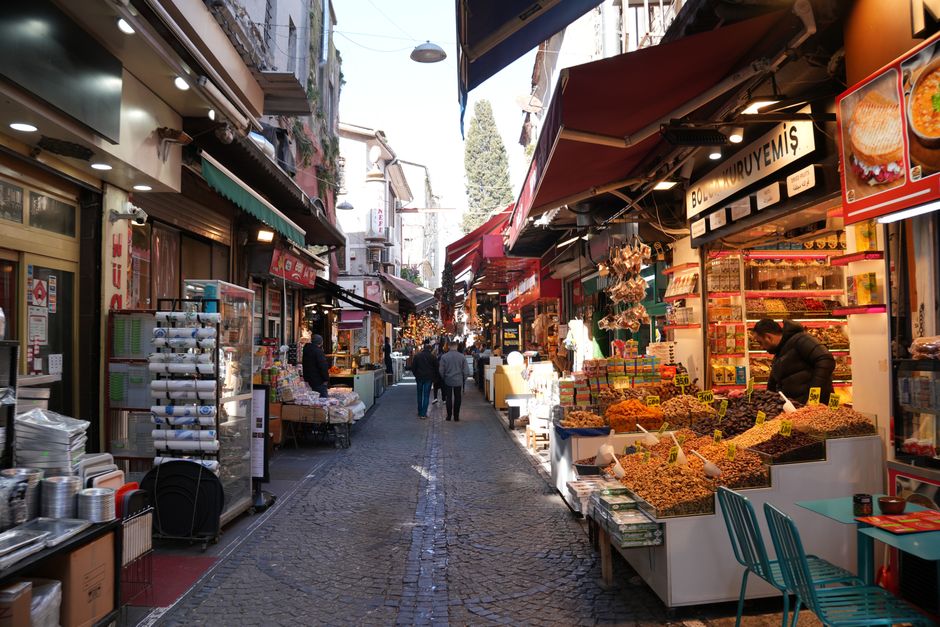
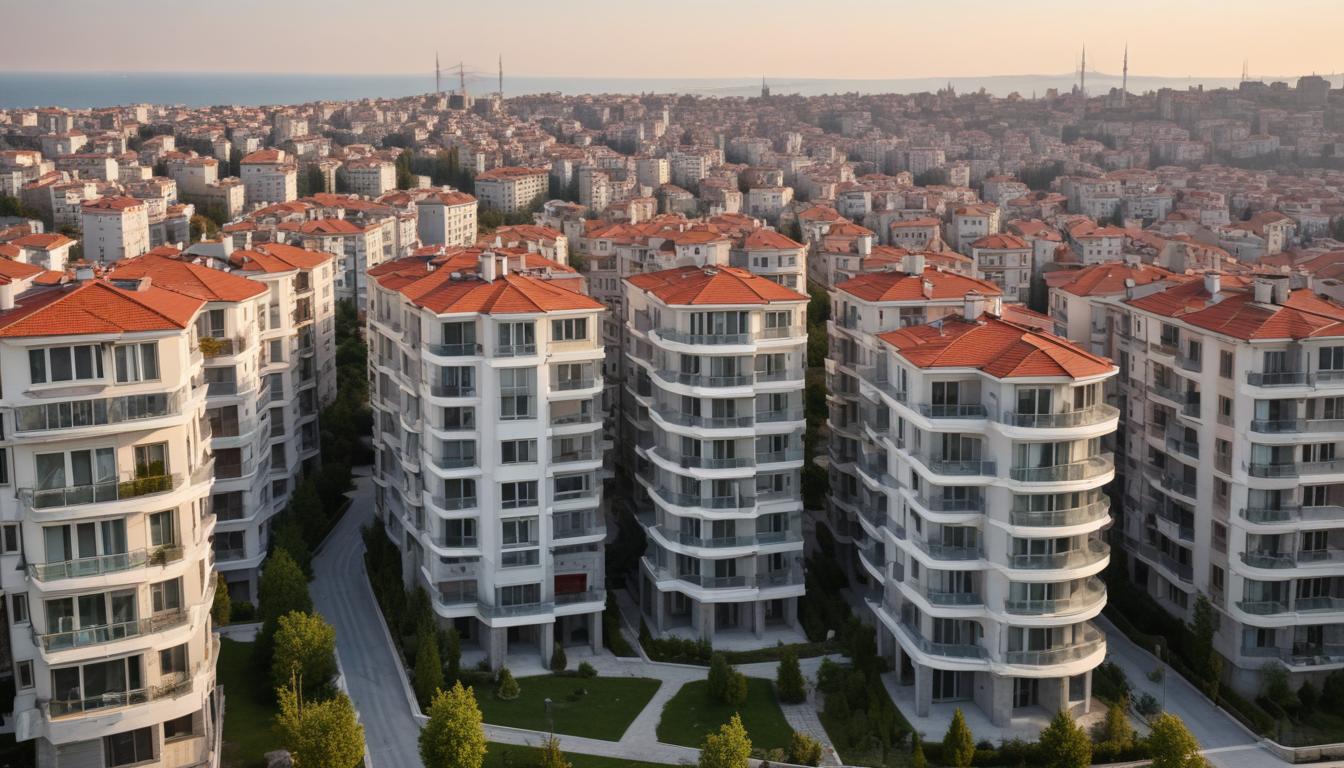
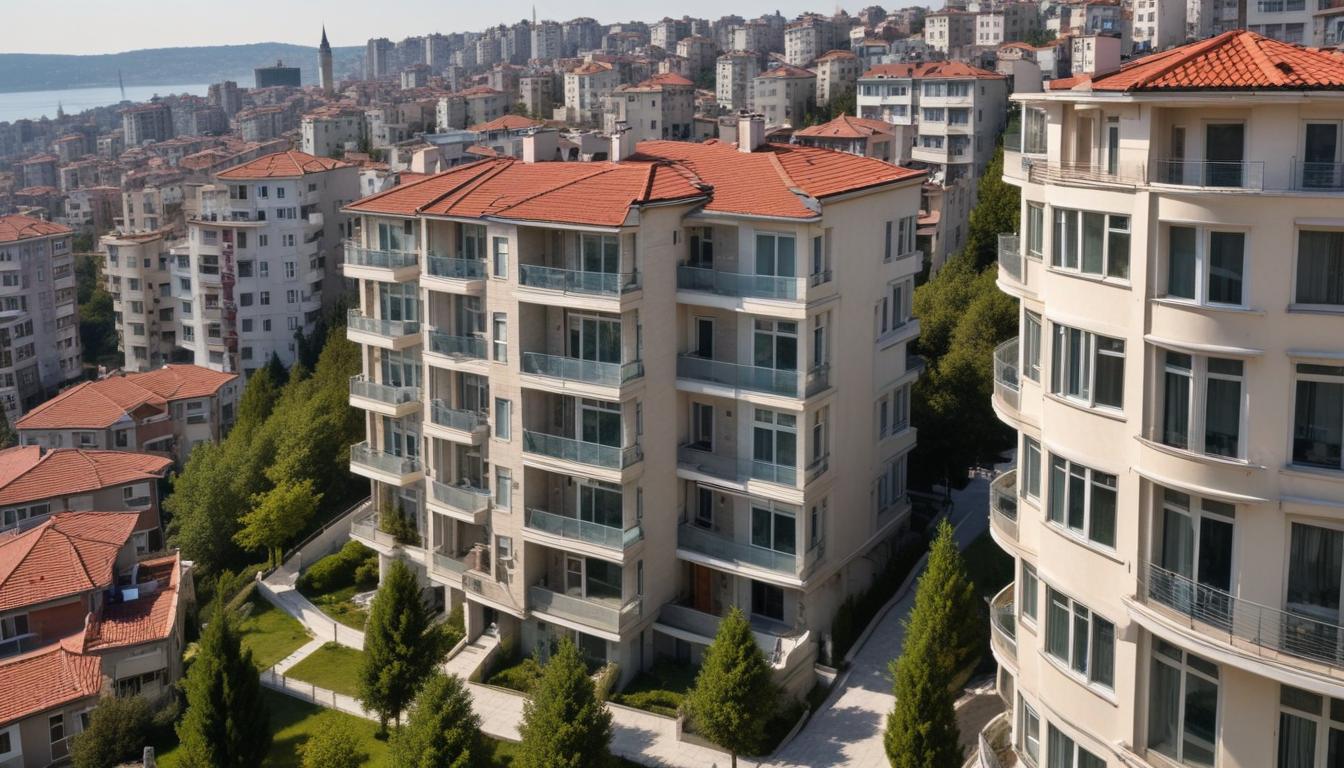
Sisli has long occupied an awkward middle ground in Istanbul's property hierarchy—prestigious enough to attract serious money, yet perpetually overshadowed by the coastal glamour of Besiktas and the cultural gravity of Beyoglu. That calculus is shifting dramatically as a wave of new development projects transforms the neighbourhood's character and economics.
The most visible catalyst is the ongoing regeneration corridor spanning Cumhuriyet Caddesi eastward toward Osmanbey. Three major mixed-use projects breaking ground or in advanced stages have collectively introduced over 1,200 residential units, complemented by retail, office, and hospitality components. Critically, these aren't pure luxury plays. Mid-range apartments in these developments are pricing between $3,200–$4,100 per square metre—a meaningful 25–35% premium over current Sisli averages of $2,500/sqm, but substantially below comparable Besiktas stock.
What matters more than pricing is infrastructure logic. The projects cluster near Sisli Mosque metro station, recently upgraded as part of the broader M2 extension. Commute times to Kadikoy's booming tech quarter via the cross-strait tunnel route have compressed to under 20 minutes. This is reshaping tenant demographics: young professionals, remote workers relocating from Ankara or Izmir, and—crucially—citizenship-by-investment holders seeking longer-term residential anchors rather than trophy purchases.
The neighbourhood's existing fabric tells the story. Nisantasi, traditionally Sisli's leafy residential heart, has seen established venues like Akmerkez shopping complex undergo renovation cycles that signal confidence in sustained demand. Independent restaurants, galleries, and design studios clustering around Tesvikiye Caddesi now operate at near full capacity, suggesting population density is climbing meaningfully.
Property managers report strong rental yields—5.5–6.8% annually on mid-range apartments, compared to 3–4% in premium Besiktas precincts. This spread has attracted institutional investors and family offices previously focused on Kadikoy's Asian-side upswing. One practical consequence: turnover cycles have accelerated, with investors holding units for 3–5 years rather than indefinitely.
The development wave does carry risks. Sisli's stock of pre-1980s walkups remains substantial; gentrification pressures on long-term residents are real, and infrastructure capacity—particularly parking and pedestrian flow during peak hours—remains contested. Municipal planning documents suggest a new local development plan will arrive in late 2026.
For investors, Sisli represents a disciplined alternative to saturated Besiktas markets and the speculative froth occasionally visible in Kadikoy. It's a neighbourhood becoming knowable again—through concrete projects, measurable metrics, and clear demographic drivers. That clarity, more than buzzwords, now draws serious capital.
This article was compiled by AI from the sources linked above and screened before publishing. See our editorial standards.