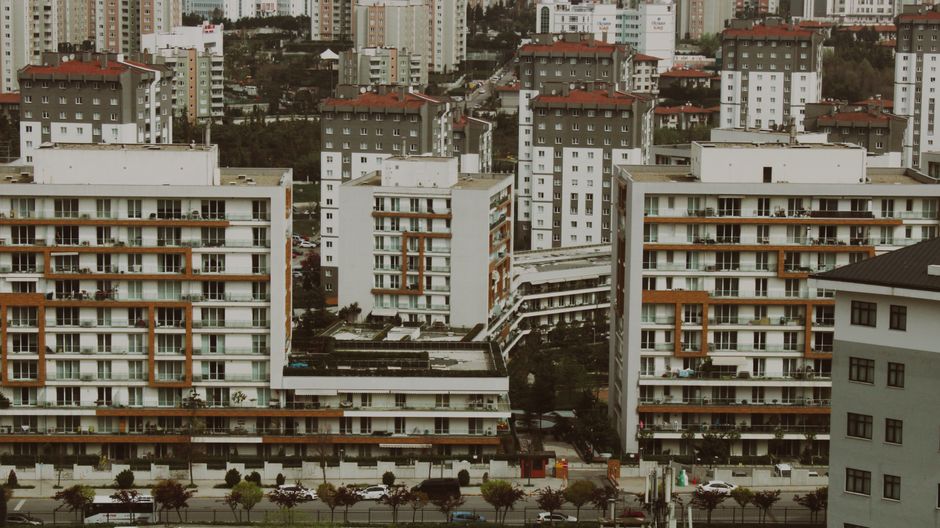
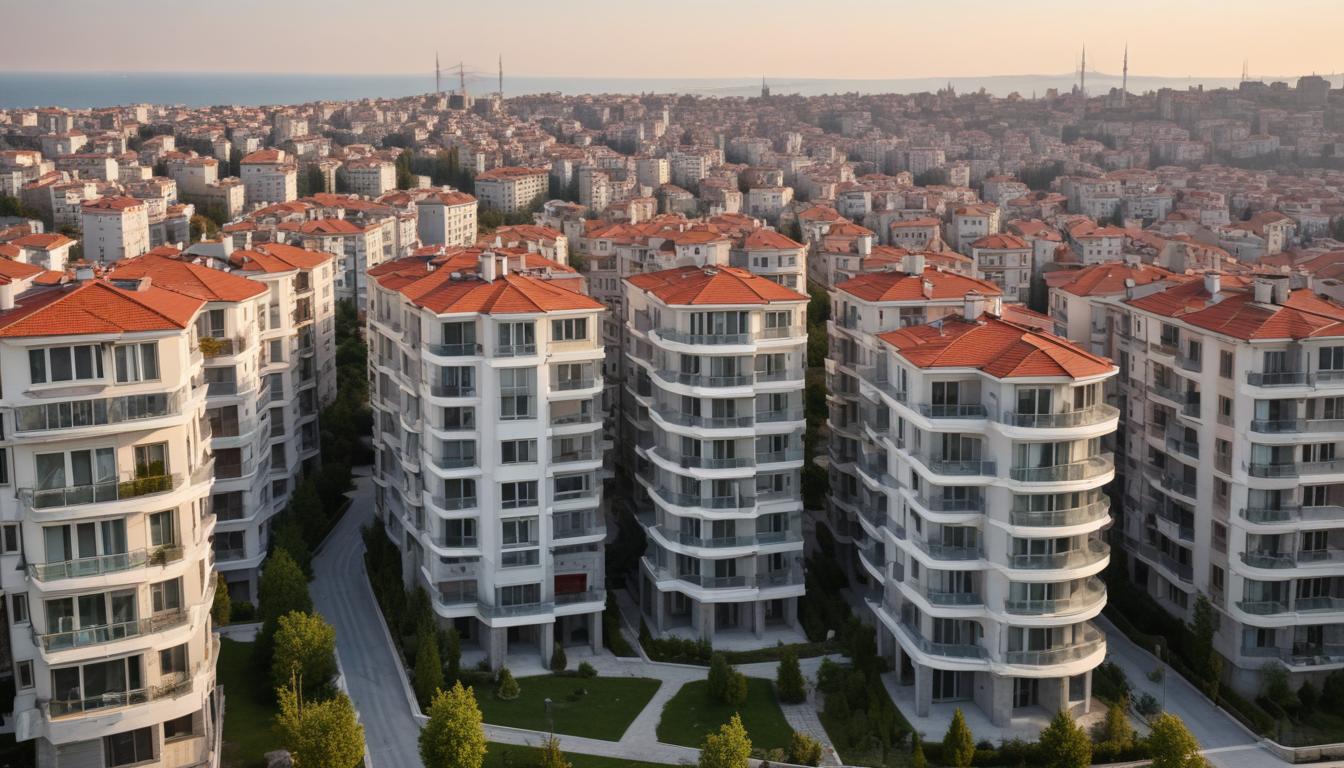
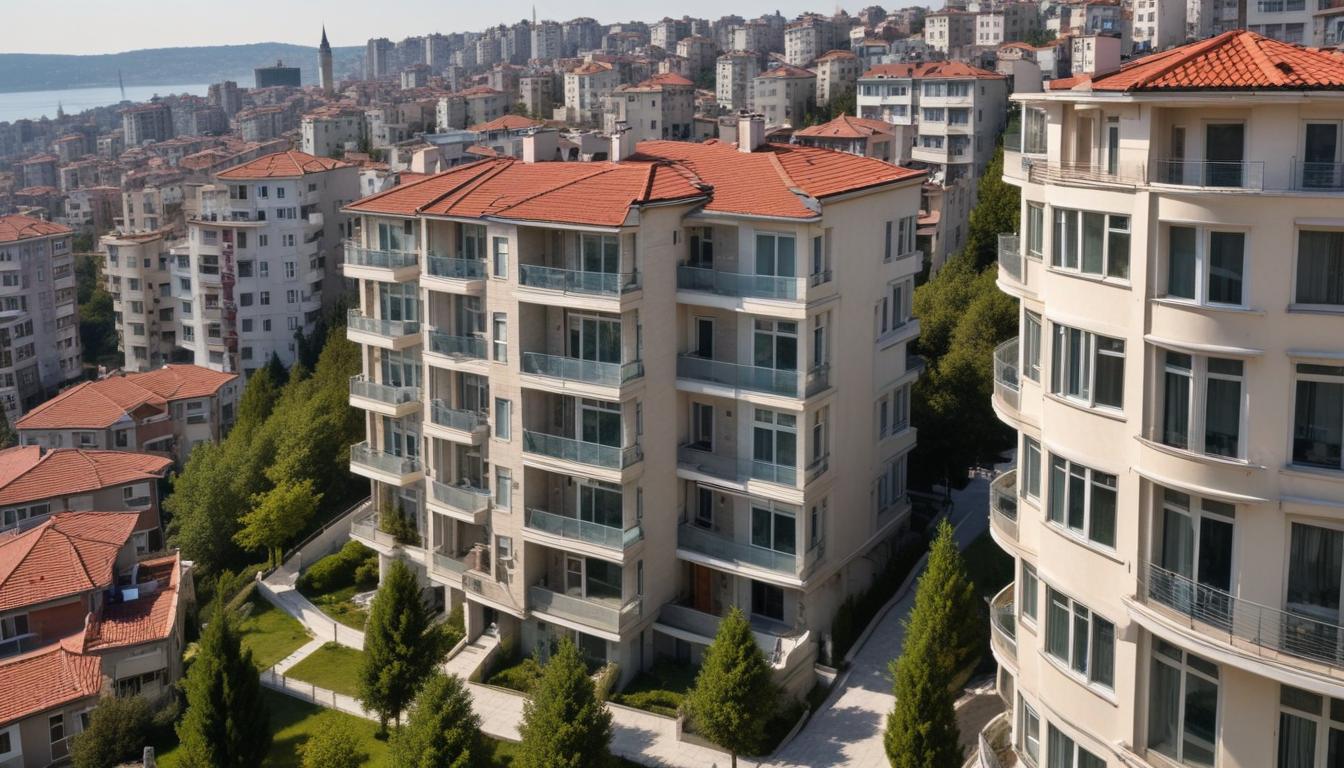
Istanbul's rental landscape is entering a period of profound transition. New construction approvals have accelerated across the city's growth corridors—particularly in Sisli, where over 15 major residential projects received municipal clearance in the past 18 months, and in Kadikoy's waterfront precincts—creating a two-speed market that is straining both landlords and tenants in unpredictable ways.
The surge reflects investor confidence driven partly by Turkey's citizenship-by-investment programmes, which have sustained foreign demand even as domestic purchasing power has contracted. Yet the paradox is stark: while new supply theoretically should stabilise rents, existing property owners face a dilemma. Properties in neighbourhoods near approved construction sites—particularly along Nisantasi's Tesvikiye Cadessi corridor and around Kadikoy's Fenerbahce Marina—are experiencing investor-driven acquisition pressure, pushing long-term residential landlords to sell rather than rent.
For tenants, the consequences are immediate. A 2026 survey by Istanbul's Chamber of Commerce found that 34 per cent of rental contracts in central districts were not renewed upon expiration, as landlords either converted units to short-term tourism rentals or prepared buildings for demolition ahead of new developments. Average monthly rents in premium Besiktas neighbourhoods now exceed $2,800 for a two-bedroom apartment—roughly 12 per cent higher than the previous year—while Sisli's emerging micro-districts like Halaskargazi report similar upward pressure.
Middle-market landlords, particularly owner-occupiers with a single rental property in areas like Cihangir or Ortakoy, are caught between rising municipal taxes on undeveloped land and pressure from developers keen to acquire sites for larger projects. Many are choosing exit strategies rather than investing in renovations that new construction will render obsolete.
The Istanbul Municipality's planning directorate has approved 47 major residential projects since January 2025, concentrated in growth zones designated under the city's strategic master plan. These approvals have inadvertently created a speculative shadow market: property owners hold units off the rental market, anticipating either development opportunities or price appreciation as new projects materialise.
Tenant advocacy groups have appealed to municipal authorities for rent-protection provisions within new development planning permissions—a measure successfully implemented in limited form in Berlin and Vienna. So far, Istanbul has resisted formal rent controls, instead relying on existing rent-increase caps of 25 per cent annually.
As the construction cycle accelerates, stakeholders across the rental market are navigating unprecedented uncertainty. For tenants, security of tenure is eroding; for traditional landlords, adaptation costs mount. Only developers and institutional investors appear positioned to benefit decisively from the transition now reshaping Istanbul's residential property landscape.
This article was compiled by AI from the sources linked above and screened before publishing. See our editorial standards.