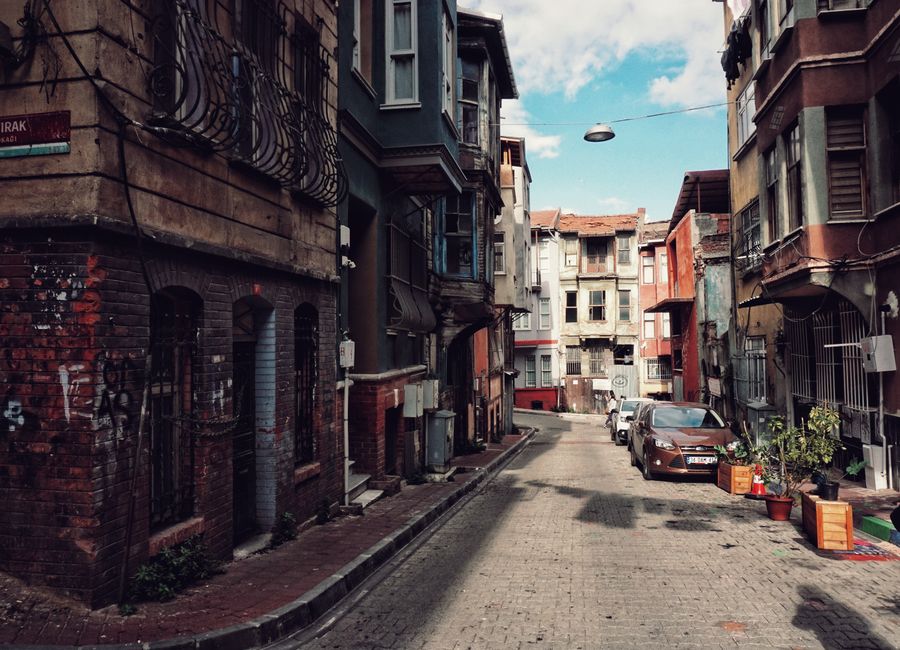
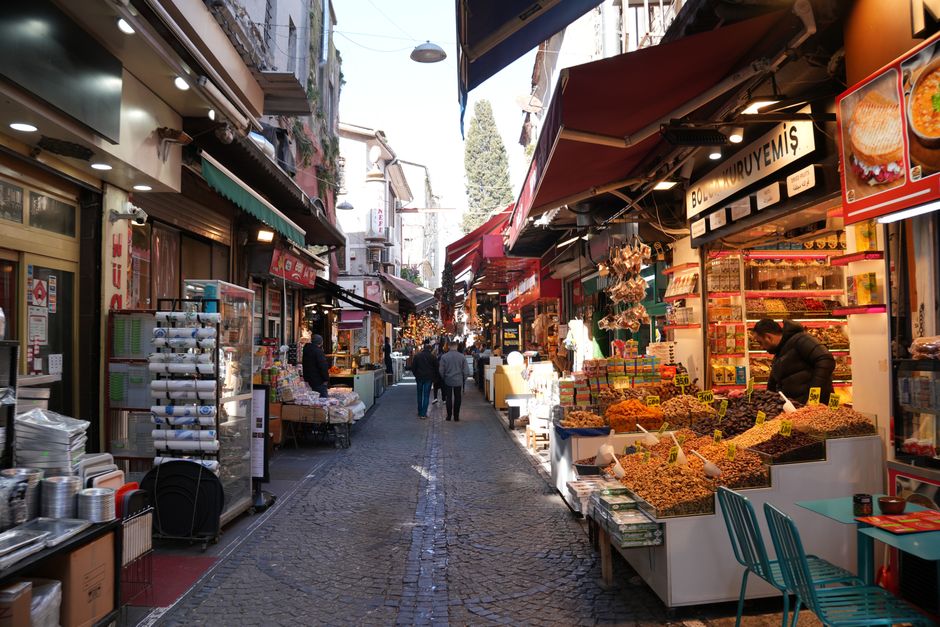
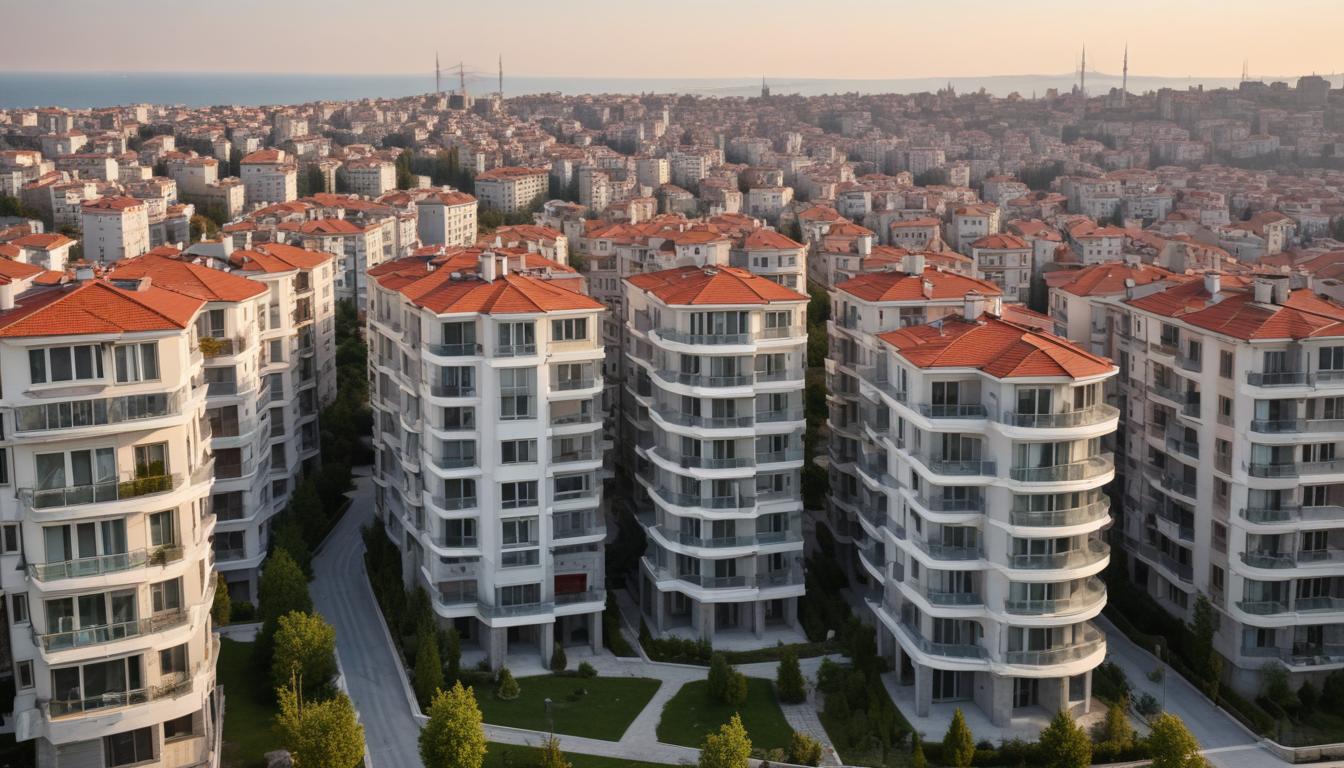
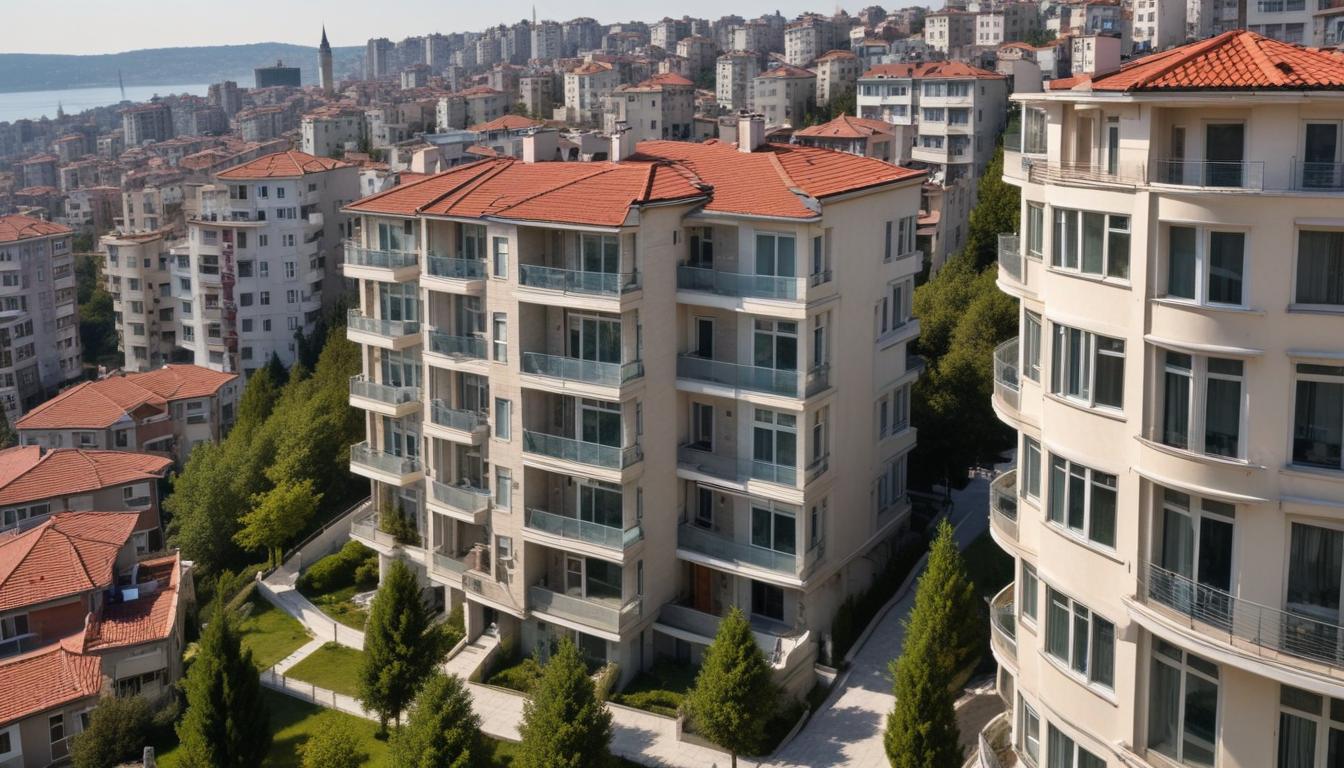
Istanbul's luxury property market has entered a new phase of acceleration. While the city's average price per square metre hovers around $2,500, prestige developments in Besiktas and Beyoglu now command $8,000–$12,000/sqm, with waterfront penthouses along the Bosphorus occasionally exceeding $15,000. Understanding what's fuelling this trajectory—and what it means for buyers—has never been more critical.
The primary catalyst remains Turkey's citizenship-by-investment programme. Streamlined in recent years, it continues attracting Middle Eastern, Central Asian, and Asian buyers seeking both portfolio diversification and residency rights. Property acquisitions of $250,000 or more unlock citizenship pathways, making Istanbul's prestige neighbourhoods magnets for international capital. The Besiktas waterfront, particularly around Ortakoy and the Ciragan Palace precinct, has witnessed particular intensity, with development projects launching at unprecedented velocity.
Simultaneously, Sisli's emergence as a secondary premium hub has redistributed demand. Streets like Halaskargazi and developments near Nisantasi now attract buyers priced out of traditional Besiktas positions. This geographic expansion hasn't diluted flagship areas; rather, it has legitimised multiple tiers within the luxury segment, allowing first-time ultra-high-net-worth entrants alternative entry points.
Currency dynamics deserve mention. The Turkish Lira's fluctuations have made dollar-denominated pricing volatile. Buyers purchasing in 2024 at certain rates now face 15–20% variance against historical comparables—a hidden cost many overlook during valuation exercises. Professional currency hedging is no longer optional for serious international investors.
Kadikoy's Asian-side popularity adds another dimension. Once considered secondary, waterfront developments from Moda to Fenerbahce have attracted a younger, internationally mobile demographic. Prices here—typically $4,500–$7,000/sqm—offer better value than European-side equivalents without sacrificing prestige or accessibility to financial districts.
What buyers must know: due diligence protocols have tightened. Citizenship applications now require greater scrutiny of fund provenance. Engage Turkish legal specialists accustomed to cross-border compliance before committing. Second, tax implications vary significantly based on residency status and holding duration—engage qualified accountants early. Third, rental yield expectations should remain conservative; prestige markets prioritise capital appreciation over income, with gross yields typically 2–3% annually.
Finally, timing matters less than location authenticity. Properties marketed on citizenship appeal without genuine neighbourhood infrastructure—retail, dining, cultural institutions—face liquidity risks. Besiktas and Beyoglu retain staying power because they're lived-in premium zones, not mere investment instruments.
The luxury market's trajectory remains upward, but sophistication now separates winners from speculative overextensions.
This article was compiled by AI from the sources linked above and screened before publishing. See our editorial standards.