Istanbul's Municipal Planning Commission has quietly approved sweeping zoning amendments affecting 47 neighbourhoods across the Asian side, a move that real estate analysts say could inject thousands of new mid-range apartments into a market increasingly priced out of reach for middle-income families.
The revisions, formally ratified last month, loosen Floor Area Ratio (FAR) restrictions in designated zones stretching from Kadikoy's residential hinterland through Umraniye and into Pendik, allowing developers to construct buildings up to 30% taller than previous regulations permitted. For context, Istanbul's average property price hovers around USD 2,500 per square metre citywide, with premium Besiktas and Beyoglu commanding triple that figure.
"What we're seeing is a deliberate attempt to channel development pressure away from already saturated areas," explains Mehmet Kaya, housing policy researcher at Istanbul Technical University's Urban Institute. The planning changes specifically target neighbourhoods where land acquisition remains comparatively affordable—Umraniye plots currently trade at USD 800-1,200 per sqm versus Sisli's USD 3,500-4,200.
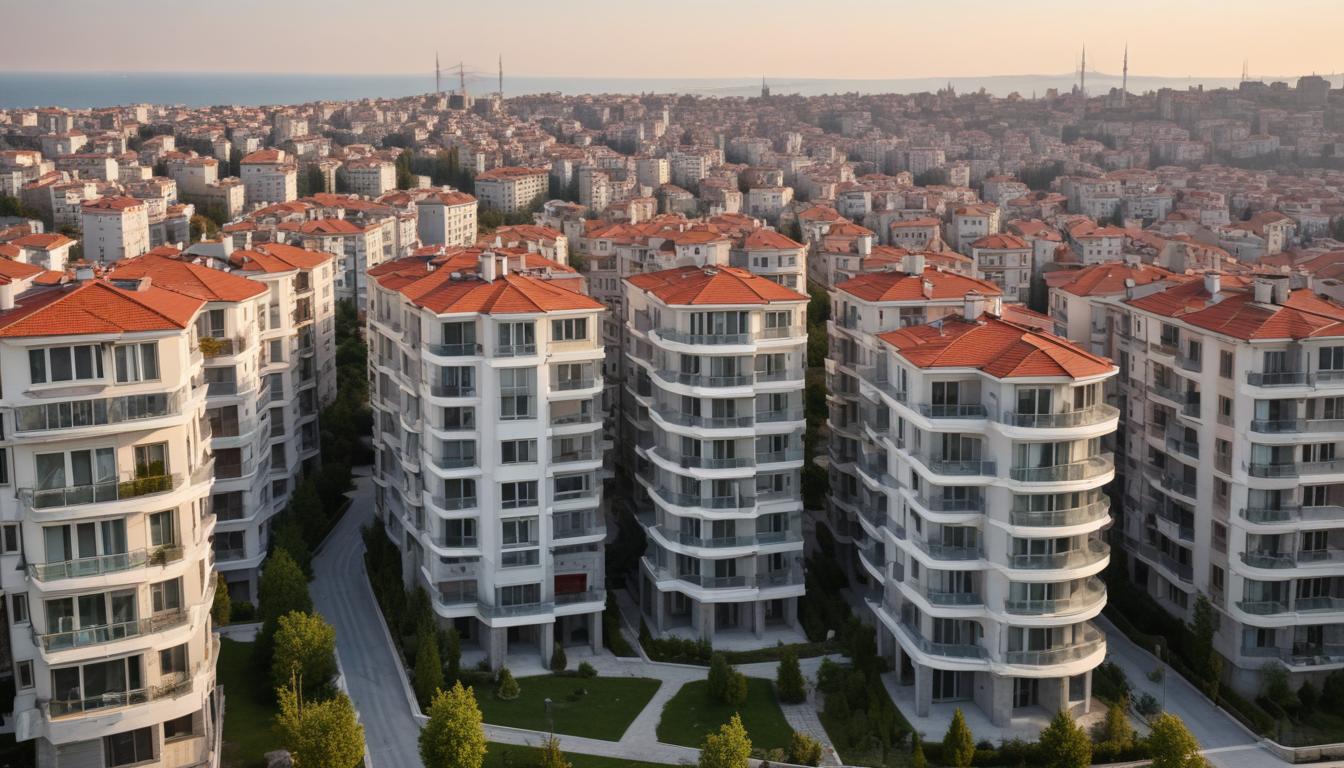
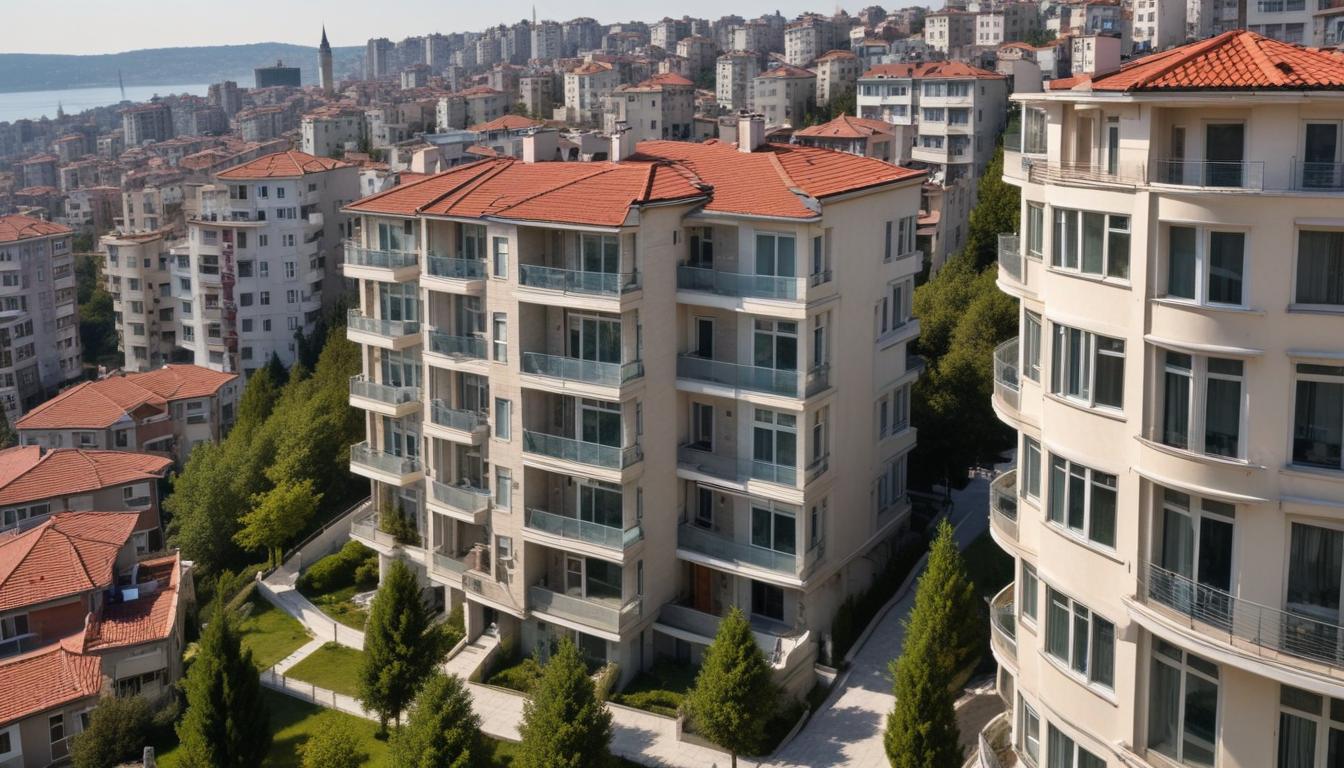
Early market signals suggest developers are responding rapidly. Three major construction firms have already submitted applications for mixed-income residential clusters in Maltepe and Kartal, projects that would have faced regulatory barriers eighteen months ago. Industry sources indicate these developments will price units between USD 180,000 and USD 320,000—substantially below the USD 500,000+ typical in central districts.
However, the policy shift carries visible trade-offs. Community groups in Kadikoy and Uskudar have raised concerns about infrastructure strain, particularly bus rapid transit capacity along the D-100 highway corridor serving these outer zones. The Metropolitan Municipality has committed to parallel investment in subway extensions, though funding timelines remain uncertain.
The reforms also coincidentally align with Turkey's citizenship-by-investment programme expansion, which has driven foreign demand upward since 2024. Officials note the new affordable supply targets local families first through a lottery system administered by the Housing Development Administration (TOKI), though implementation details are still being finalised.
Real estate observers suggest these planning changes represent the city's most substantial affordable housing intervention since the 2010s. Whether they meaningfully address Istanbul's housing affordability crisis—or simply redistribute pressure geographically—will become clearer as projects break ground in autumn 2026.
This article was compiled by AI from the sources linked above and screened before publishing. See our editorial standards.