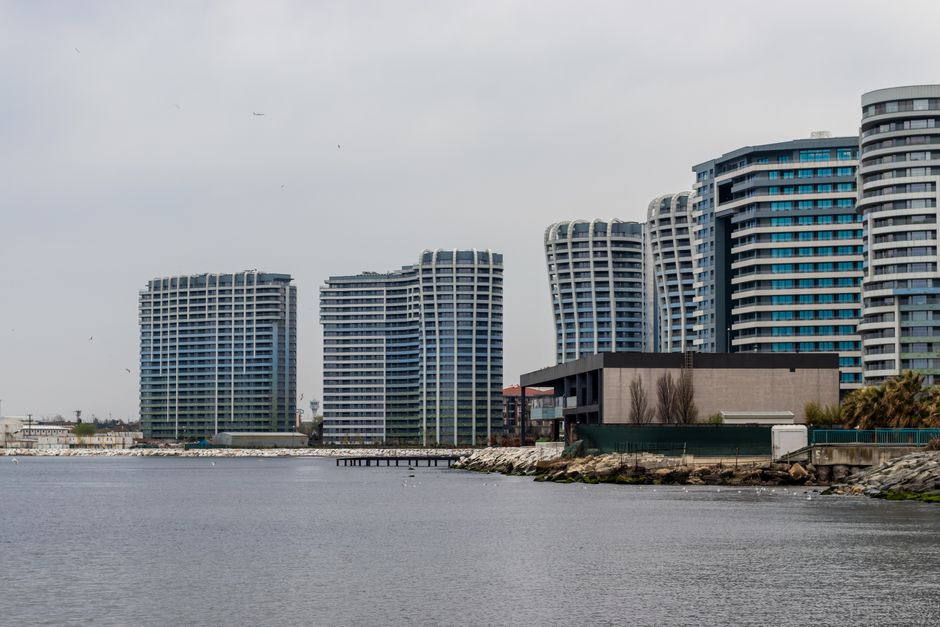
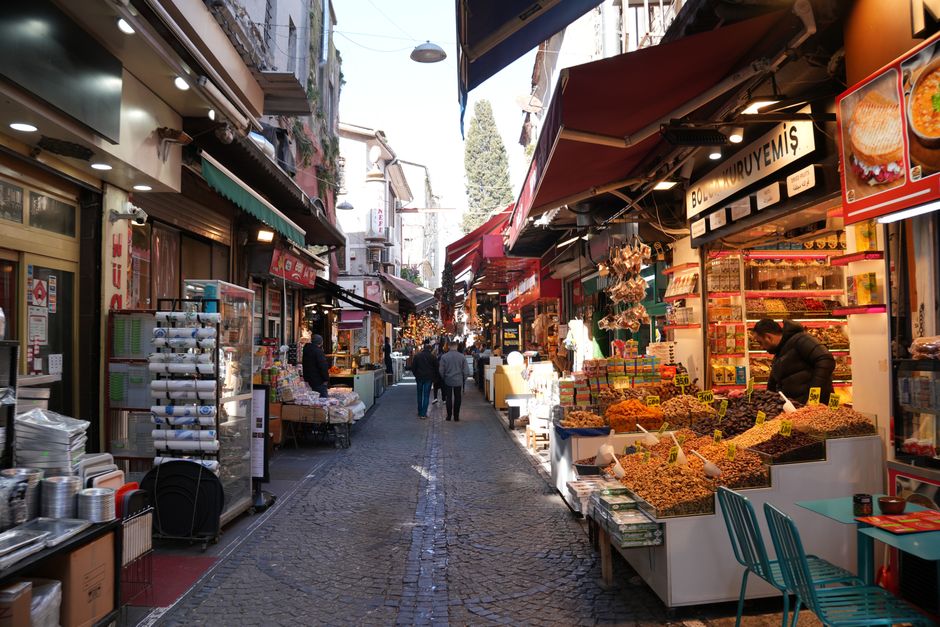
For years, Istanbul's property investment narrative has revolved around the premium enclaves of Besiktaş and Beyoğlu, with Sisli capturing the attention of those seeking growth potential. But seasoned investors are now turning their gaze northwest, to Arnavutköy—a neighbourhood experiencing a quiet transformation that promises significant returns as the city's transport networks expand and its waterfront awakens.
Located along the European shore of the Golden Horn, Arnavutköy has historically traded on charm rather than connectivity. The neighbourhood's narrow streets, traditional wooden houses, and bohemian cafés along the water have long attracted artists and writers seeking refuge from the city's chaos. Yet the property market tells a different story. Over the past 18 months, average prices in Arnavutköy have climbed to approximately $3,200 per square metre—a 28% jump from mid-2024—outpacing the Istanbul average of $2,500/sqm and rivalling some central Sisli developments.
The catalyst is infrastructure. The extension of Istanbul's metro line towards the northern European shore, scheduled for completion by 2028, will place Arnavutköy just two stations from the established financial hub of Maslak. The municipality has also greenlit a €120 million waterfront regeneration project centred on Alibey Street, which will introduce mixed-use developments, public promenades, and cultural venues—transforming the neighbourhood from a weekend escape into a viable residential and commercial destination.
Local property consultants report strong demand from both domestic investors and foreign citizenship-by-investment applicants. The neighbourhood's proximity to international schools, including the prestigious Istanbul Bilingual High School, and its access to the Golden Horn's recreational amenities, appeal to families relocating from saturated areas like Bebek and Ortaköy—where prices now exceed $5,500/sqm.
Entry-level residential units in Arnavutköy currently range from $450,000 to $650,000 for two-bedroom apartments, significantly lower than comparable properties in Beyoğlu yet positioned to benefit from the same infrastructure windfall. Development-stage land plots along the harbour command attention too, with developers already acquiring sites ahead of zoning changes expected this autumn.
Real estate agents report construction activity increasing month-on-month. Several mid-sized developments marketed toward first-time investors are at foundation stage. The neighbourhood's artistic reputation—strengthened by galleries and studios clustered around Halic Street—also appeals to a younger demographic increasingly priced out of traditional investment zones.
For investors with a 3-5 year horizon, Arnavutköy represents the kind of neighbourhood arbitrage that defined Sisli's boom: overlooked, authentic, and positioned to benefit from planned transformation. The question is no longer whether to look at Arnavutköy, but when.
This article was compiled by AI from the sources linked above and screened before publishing. See our editorial standards.