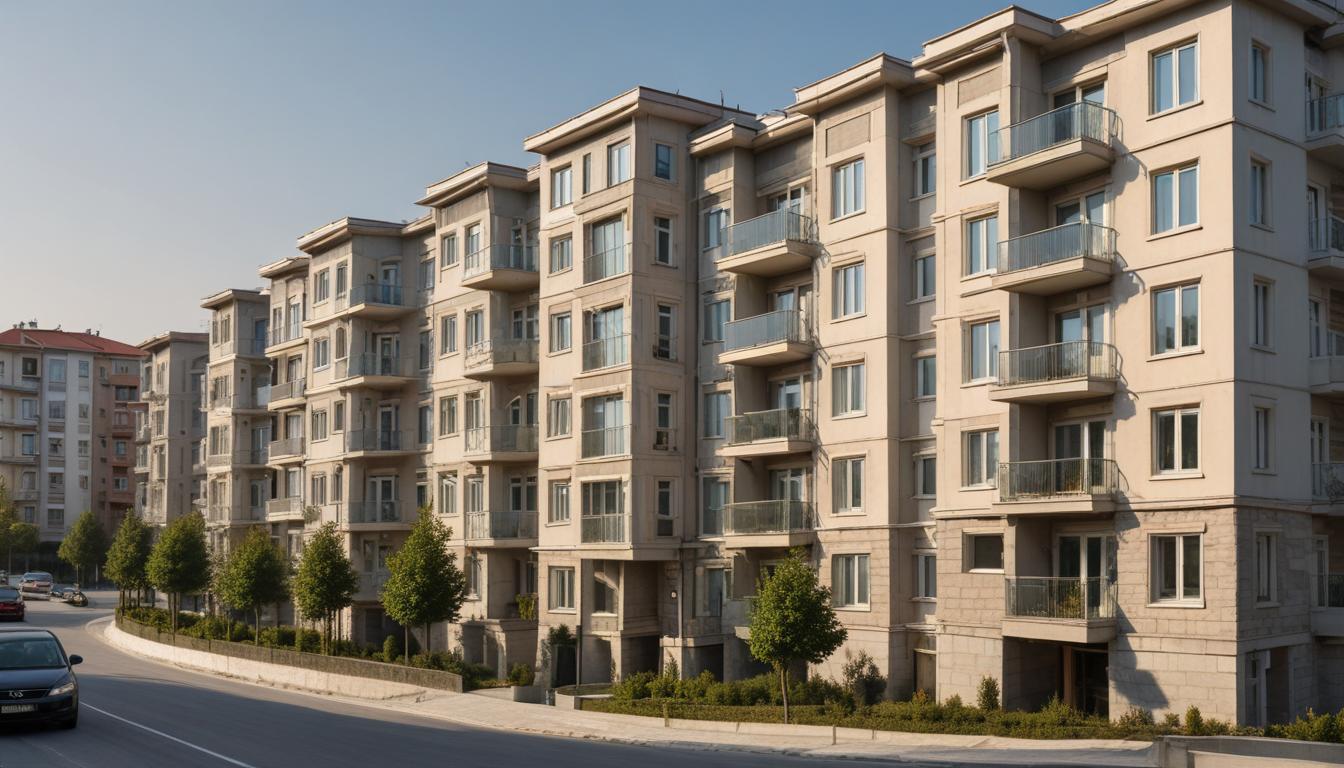
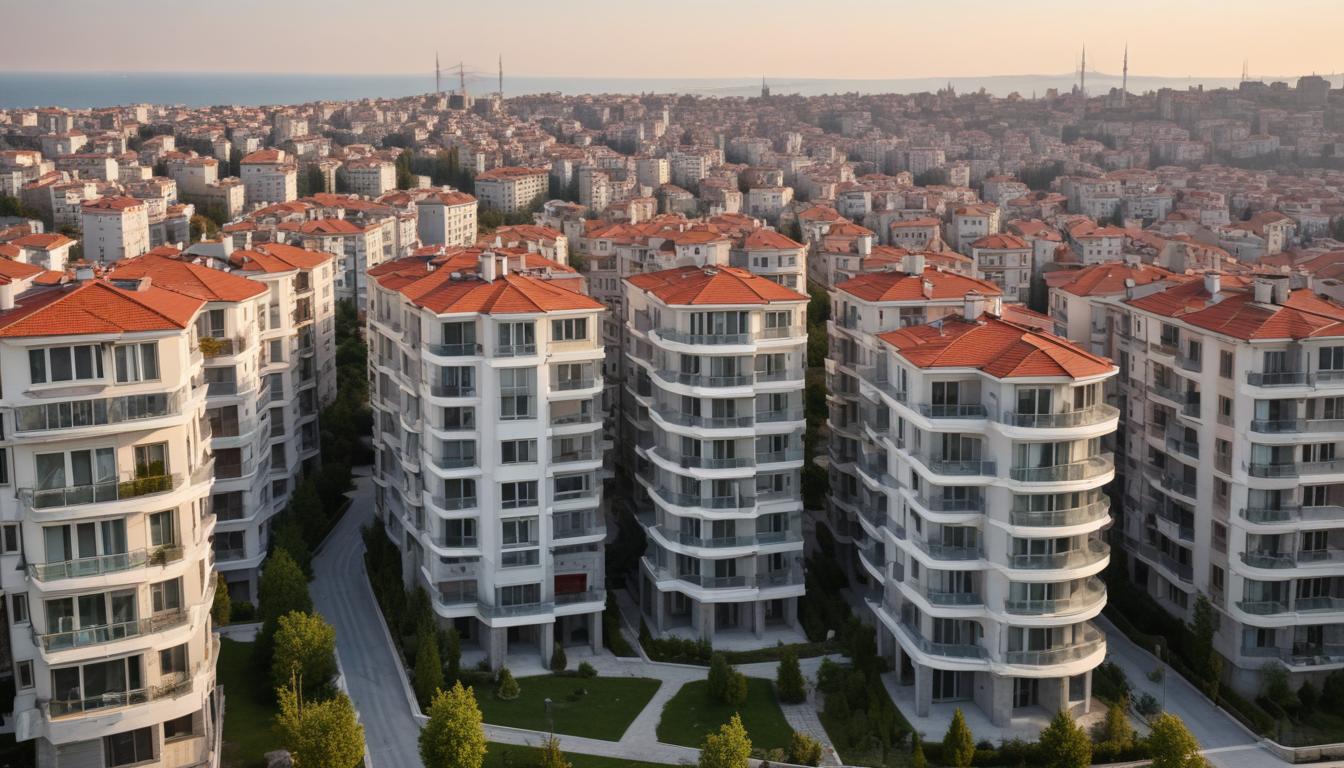
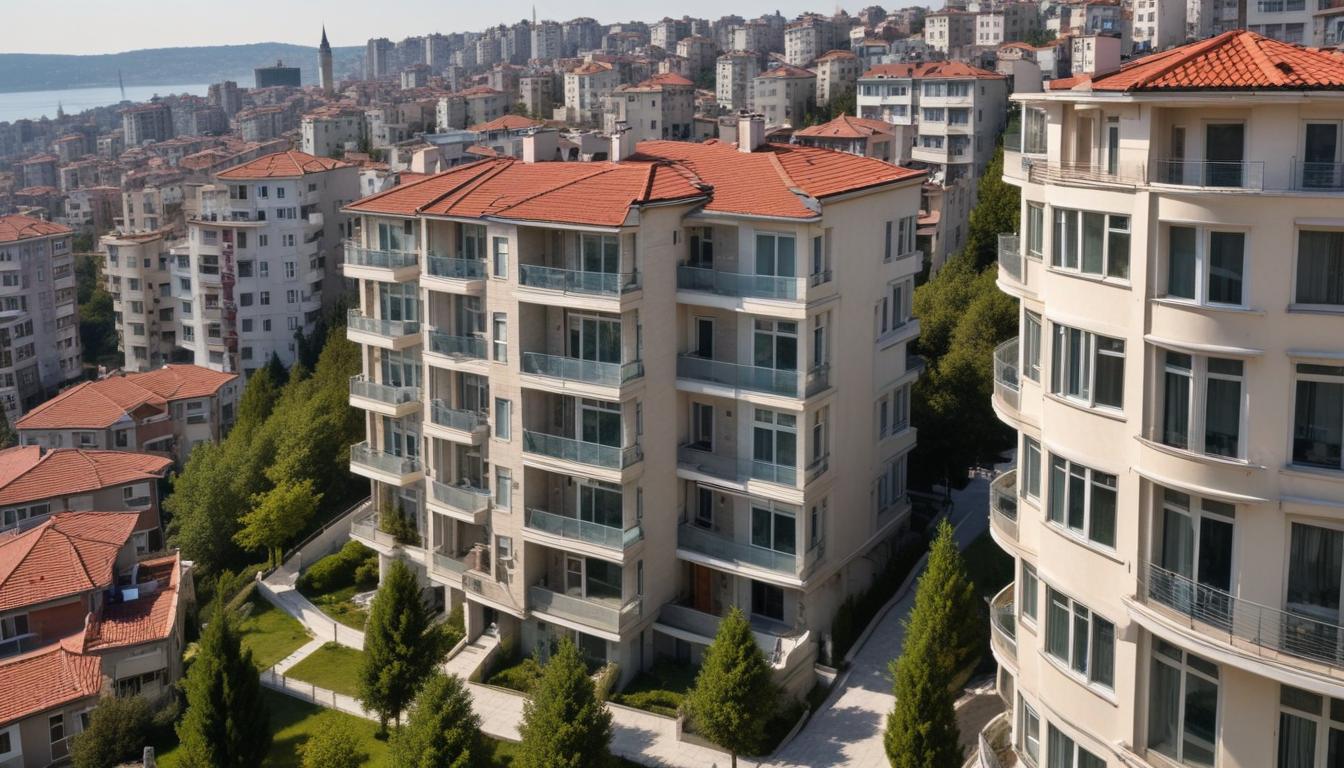
Istanbul's social housing market is delivering measurable returns that challenge the narrative of charity-only affordable schemes. Recent performance data from mixed-income developments in Sisli and Küçükçekmece shows investor yields between 4.2% and 5.8% annually—competitive with traditional residential portfolios—while simultaneously addressing the city's chronic undersupply of homes below $1,800 per square metre.
The shift reflects a maturing policy environment. Turkey's Housing Development Administration (TOKİ) partnerships now explicitly structure deals where 60–70% of units operate as affordable rentals, generating predictable cash flow, while 30–40% remain market-rate or owner-occupied. A completed development near Sisli's commercial hub demonstrates the model: investors achieved 4.7% net yield on affordable units ($850–$1,200/month) plus 6.1% on market-rate apartments ($1,500–$2,100/month), with 8–12 year holding horizons creating meaningful capital appreciation as surrounding infrastructure matured.
Data from recent completions shows why developers and institutional investors are engaging. A 240-unit scheme in Küçükçekmece's Halkalı district, delivered in 2024, attracted pension funds and family offices seeking ESG-compliant assets. The project's affordable component (144 units) generated $182,000 in monthly rental income, backed by 15-year lease guarantees from the municipality. Market-rate units appreciated 18% within 18 months as the E-5 highway corridor developed.
The fiscal incentive structure is equally revealing. Investors in qualified affordable housing receive property tax holidays (3–5 years), accelerated depreciation schedules, and preferential financing from state development banks offering rates 150–200 basis points below market. These reduce effective cost of capital, narrowing the yield gap between social and commercial housing.
Yet challenges persist. Supply remains insufficient—only 8,000 affordable units added annually against demand exceeding 50,000. Land acquisition costs in accessible neighbourhoods like Kadıköy's Caddebostan area and Beyoğlu's peripheral zones consume 35–45% of development budgets, compressing margins for smaller operators. Regulatory complexity, including compliance with TOKİ's rent-setting formulas, deters some capital sources.
The Istanbul Metropolitan Municipality's updated 2025 housing strategy signals acceleration. Proposed sites across the Asian side and northwest quadrant could unlock 25,000+ units over five years if current yield premiums hold. For investors tracking emerging-market real estate, the data suggests social housing in Istanbul is graduating from impact-only positioning to genuine risk-adjusted return generation—particularly for patient capital comfortable with 10+ year horizons and municipal counterparty risk.
This article was compiled by AI from the sources linked above and screened before publishing. See our editorial standards.