Istanbul's first-home buyer market has entered a new phase of complexity. While government grants and favourable mortgage schemes remain in place, the forces reshaping prices—particularly citizenship-by-investment flows and international speculation—have created a disconnect that prospective buyers need to understand before signing anything.
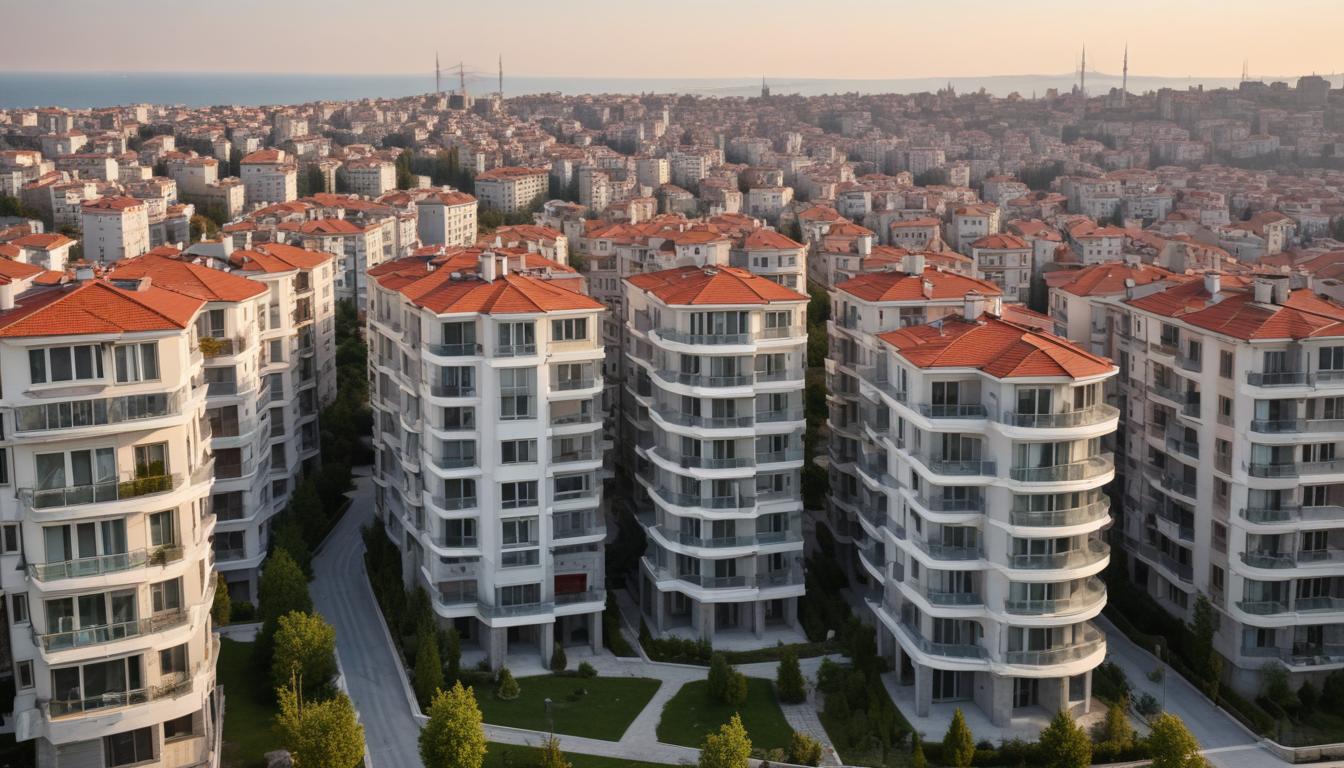
The headline figures look supportive. First-time buyers still access reduced mortgage rates through state-backed programmes, and stamp duty exemptions remain available for properties under certain thresholds. Yet on the ground, these incentives are struggling to match reality. Across neighbourhoods like Sisli, where residential towers have proliferated, average prices have climbed steadily. Besiktas waterfront properties—the traditional trophy end—command premiums that make government support almost incidental to the equation.
What's changed is the buyer composition. Citizenship by investment programmes have flooded demand from Gulf, Central Asian, and European buyers unconcerned with Turkish mortgage rates. They're buying off-plan in Beyoglu conversion projects and Kadikoy's Asian-side renaissance, competing directly with local families. This foreign capital has essentially reset the price ceiling upward, leaving grants that might once have bridged a meaningful gap now covering only a fraction of the premium.
For genuine first-home buyers saving for a deposit, the implications are stark. A modest two-bedroom apartment in an emerging neighbourhood—say, along the Cevahir corridor in Sisli or in Kadikoy's newer Moda extensions—will easily cost 5-7 million Turkish Lira. Current grant schemes and tax breaks reduce friction at the margins but don't reshape affordability fundamentally.
What actually matters now: understanding neighbourhood trajectories rather than chasing headline incentives. Sisli's continued gentrification, Kadikoy's younger demographic draw, and Besiktas's entrenched scarcity are the real drivers. Properties within walking distance of metro stations, close to universities or business hubs like the financial district, appreciate more reliably than those isolated on the periphery.
Buyers should also stress-test mortgage serviceability carefully. Turkish mortgage rates have stabilised but remain sensitive to currency moves—critical for households earning in local currency. Government rate-support programmes help initially but don't lock in permanently.
The broader message: grants and schemes are real, but they're not the story anymore. Foreign investment, supply constraints, and neighbourhood fundamentals are. First-time buyers who treat government support as the solution rather than a supplement will find themselves outbid, undershooting, or overextending. Local advisors familiar with specific micromarkets—not just broad policy—are now essential.
This article was compiled by AI from the sources linked above and screened before publishing. See our editorial standards.