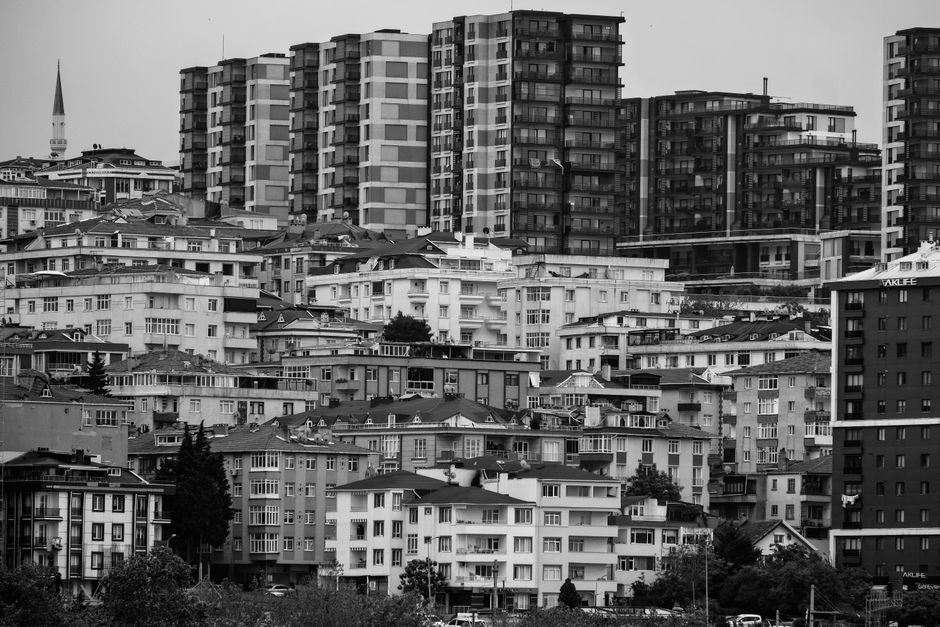
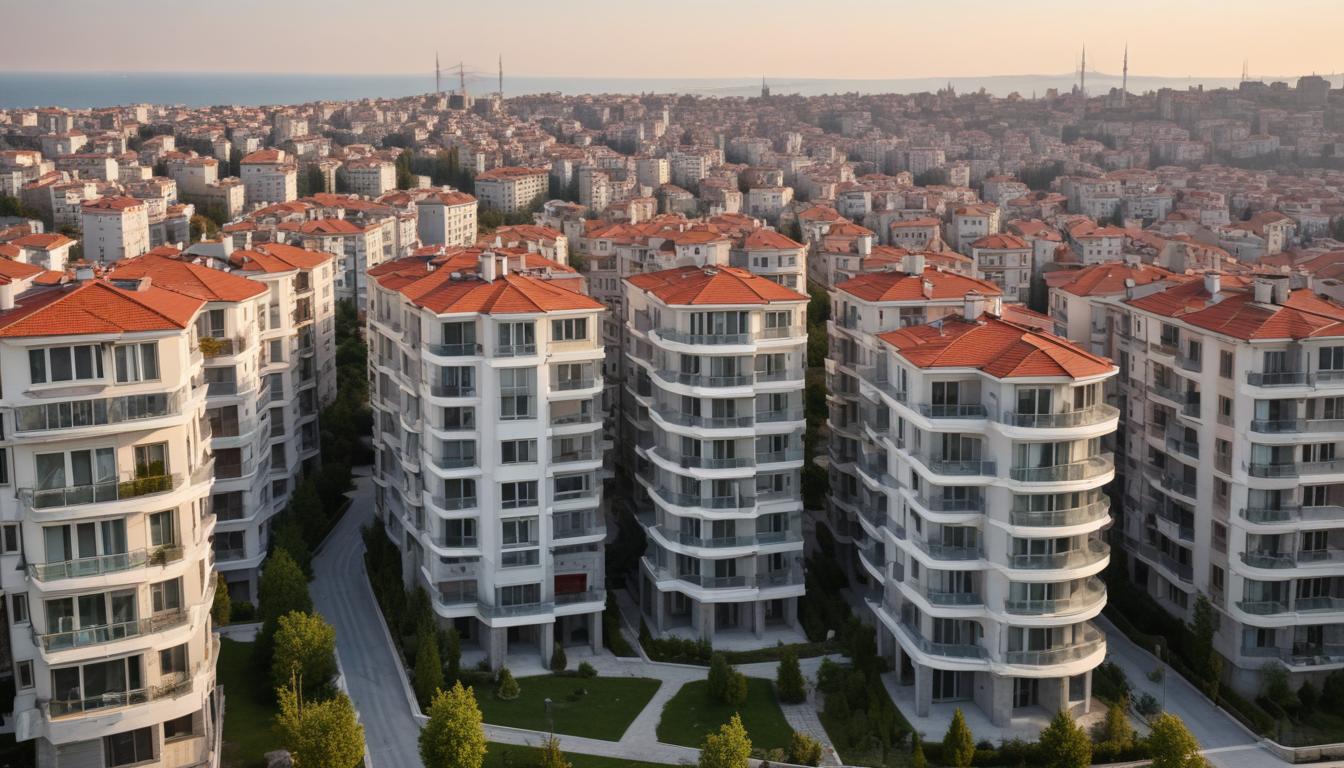
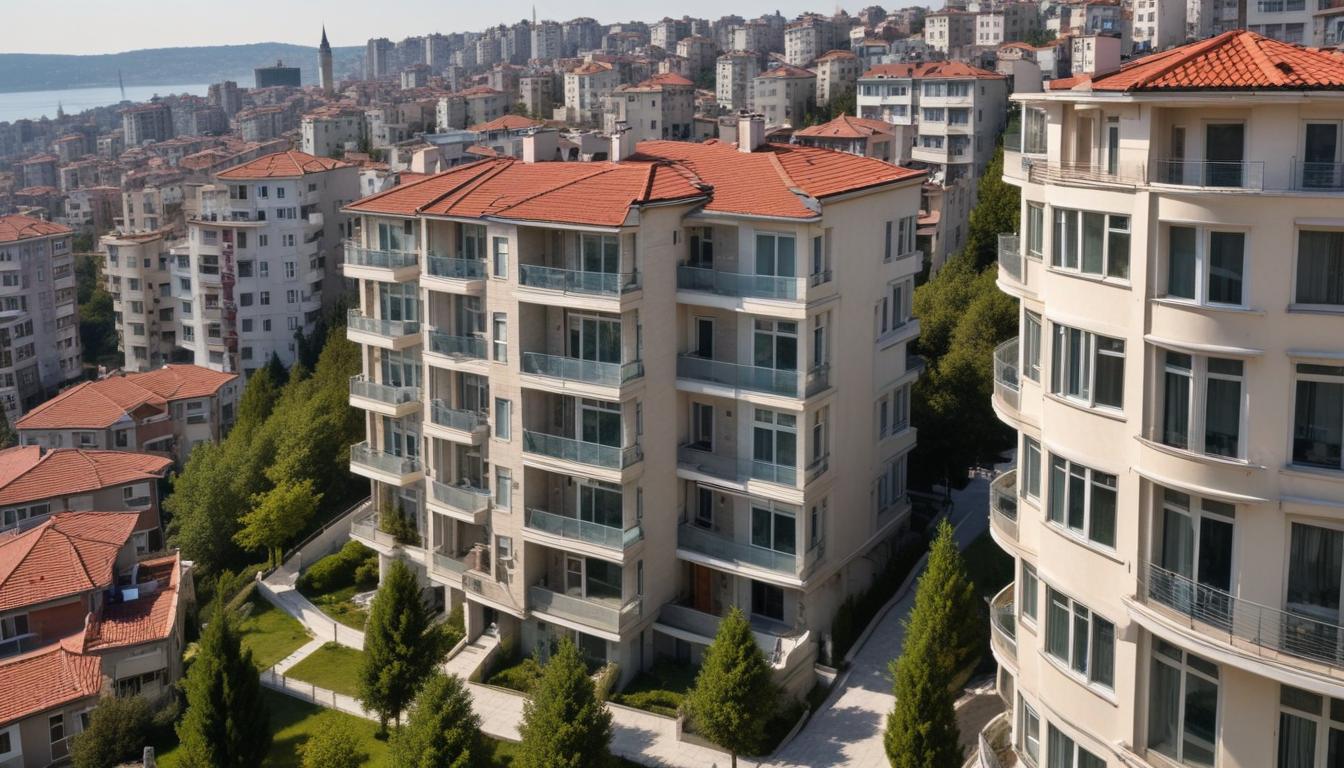
Istanbul's rental market has become a pressure cooker. In neighbourhoods like Sisli and along the Bosphorus-facing streets of Besiktas, monthly rents have climbed past 40,000 TL for modest two-bedroom apartments, forcing tenants deeper into financial strain just as they contemplate taking the leap into ownership.
For first-time buyers, the arithmetic is brutal. A salaried professional paying 35,000–45,000 TL monthly in rent across central Istanbul's premium zones faces a paradox: rental payments consume the very income banks scrutinise when assessing mortgage eligibility. Simultaneously, landlords—many of them retirees or small investors banking on rental yields—are watching tenant retention collapse as affordability evaporates. Some are converting properties to short-term holiday lets, further tightening the long-term rental supply.
This dynamic is reshaping how government grants and finance programmes reach their intended audience. Turkey's first-home buyer schemes—including reduced stamp duty and favourable mortgage terms through participating banks—theoretically support young Istanbullites. Yet applications from Kadikoy and Sisli reveal a telling pattern: applicants are stretched thin by current rents, making debt-service ratios higher than ever. Banks increasingly demand larger down payments (15–20%) to offset rental-income-inflated living expense estimates.
"The rental market has become the invisible hurdle," explains one mortgage advisor operating near Taksim Square. Those paying market rents in high-demand zones struggle to demonstrate savings discipline, even when their gross income qualifies them.
Landlord pressure is also acute. With tenant turnover accelerating—many younger renters giving up and moving to more affordable outer zones like Pendik or Esenyurt—property owners face vacancy spells and reduced purchasing power among their tenant bases. Some are delaying maintenance, banking on currency appreciation rather than rental returns. This reinforces the divide between premium central neighbourhoods and emerging districts further from the European shore.
The Kadikoy seafront and Besiktas waterfront remain anchored by foreign investment and expat demand—where citizenship-by-investment buyers hold prices steady at 3,000–4,500 USD/sqm. But one street inward, traditional rental stock deteriorates as landlords disinvest.
For first-time buyers, the message is clear: rental market conditions have become a hidden barrier to homeownership. Policymakers and lenders now face a choice—either recalibrate eligibility criteria to account for inflated rents, or watch a generation of renters remain locked out of property ownership, regardless of nominal income. Without intervention, the gap between renter and owner will only widen.
This article was compiled by AI from the sources linked above and screened before publishing. See our editorial standards.