Istanbul's property landscape is entering a decisive phase. With construction approvals climbing steadily through 2026, a cluster of major developments across the city's most sought-after districts signals not just growth, but fundamental neighbourhood transformation.
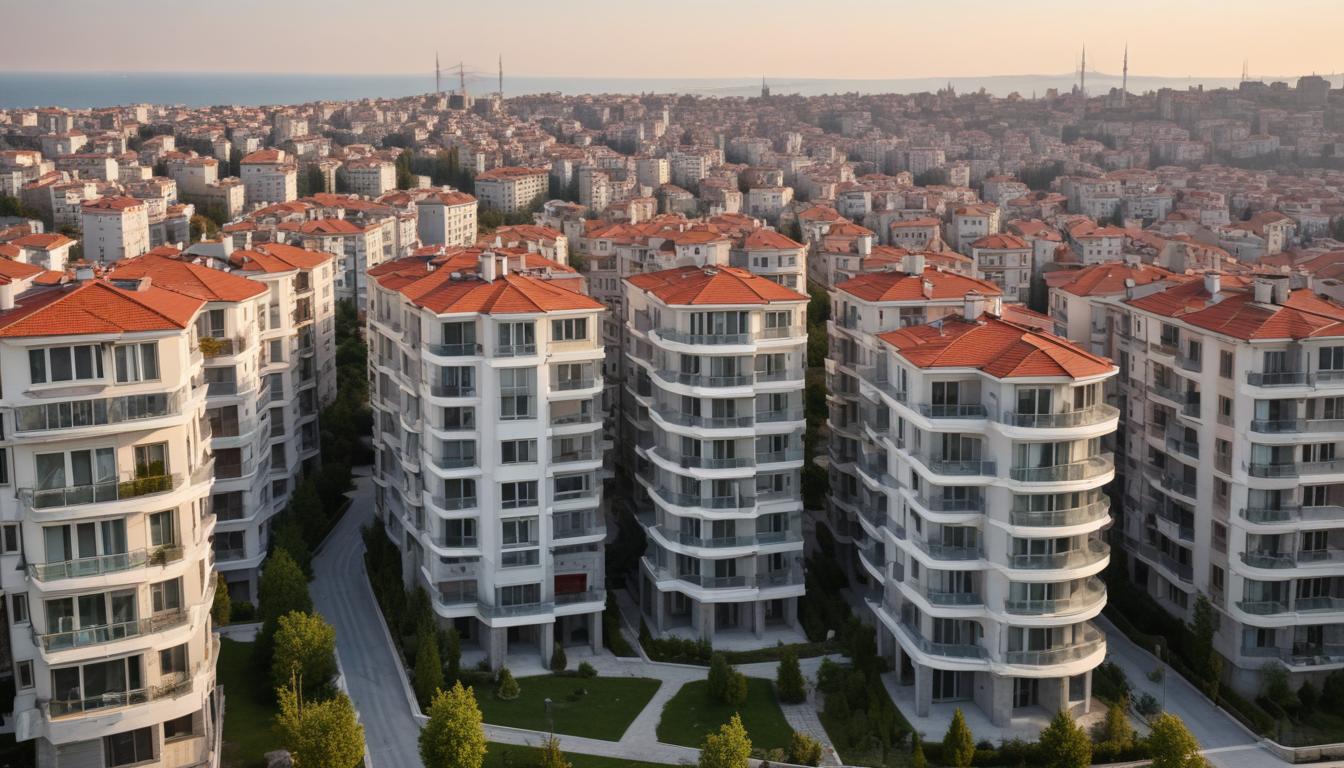
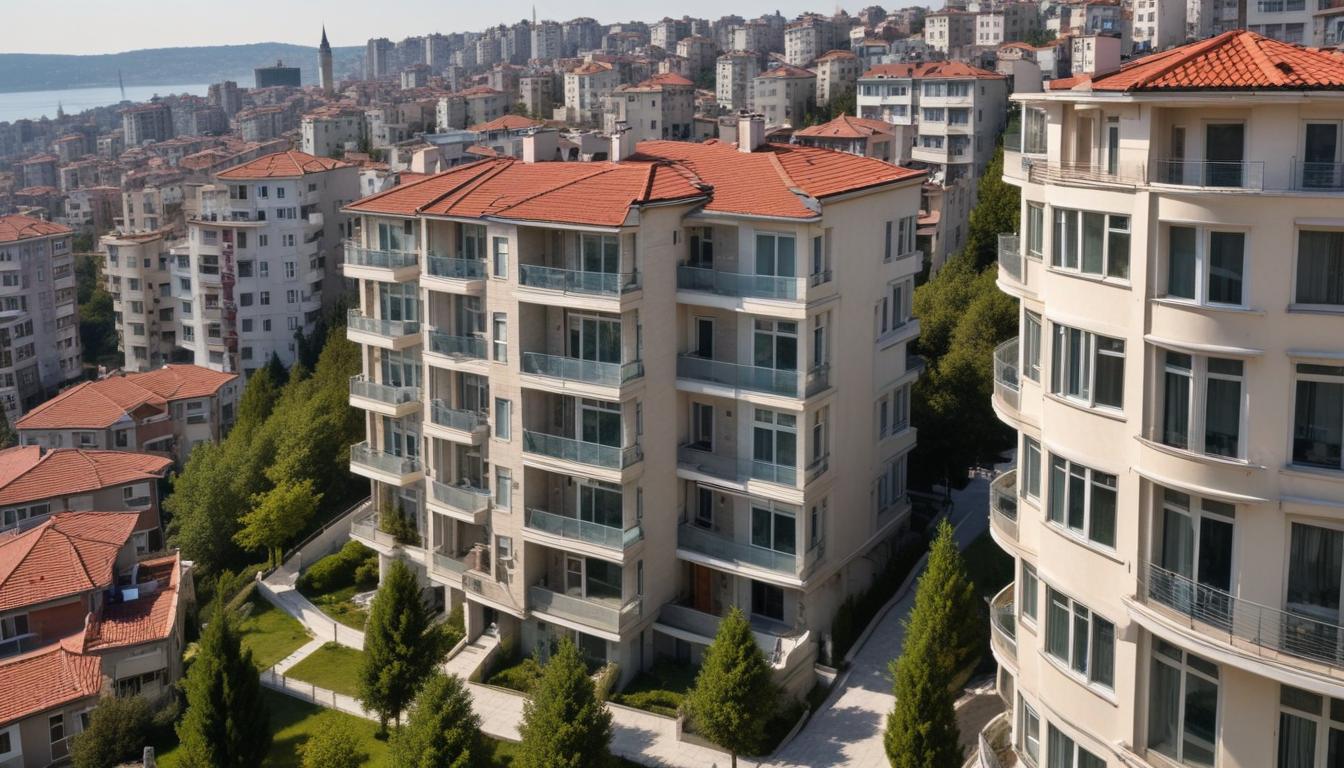
The most visible shift is happening in Sisli, where residential towers continue to rise along Halaskargazi Caddesi and surrounding avenues. What was once a mid-rise commercial corridor is becoming a high-density residential hub, with new projects commanding prices around $3,200 per square metre—a premium justified partly by proximity to metro access and established amenities. Local real estate analysts note that each completed tower brings additional retail, dining, and service infrastructure, creating self-reinforcing neighbourhood appeal for younger professionals and international residents seeking alternatives to Besiktas and Beyoglu's steeper valuations.
On Istanbul's Asian side, Kadikoy's development trajectory offers a different story. Rather than pure verticality, incoming projects here emphasise mixed-use integration—residential units anchored by ground-floor cultural venues and workspace. The district's identity as a creative, residential counterweight to the European shore remains intact, even as construction cranes multiply near the waterfront and around Bahariye Caddesi. Prices hover around the city average of $2,500 per square metre, making Kadikoy projects accessible to middle-income families and investors seeking long-term appreciation without Besiktas premium positioning.
The citizenship-by-investment dynamic cannot be ignored. Foreign capital continues flowing into approved developments, particularly those offering turnkey completion and management services. Developers now routinely market Istanbul projects to Gulf, Central Asian, and European buyers through international channels, with many units pre-sold before construction completion. This has accelerated approvals processes, as municipalities see revenue and employment benefits.
However, these developments raise legitimate questions. Traffic congestion around new building sites in Sisli has intensified noticeably. Infrastructure strain—particularly water pressure and waste management in densely developing zones—remains a municipal challenge. Neighbourhood character debates have surfaced in community forums, particularly in historically low-rise areas now seeing 15+ storey approvals.
What's clear is that Istanbul's property cycle is no longer about scattered opportunity—it's about orchestrated transformation. Each approved project doesn't just add supply; it reshapes commute patterns, retail dynamics, and social composition. For investors and residents alike, the next 18 months will prove decisive in determining whether these developments enhance neighbourhood livability or fragment established communities.
The pipeline is full. How it unfolds will define Istanbul's 2026-2030 identity.
This article was compiled by AI from the sources linked above and screened before publishing. See our editorial standards.