Istanbul's rental market is experiencing a quiet but significant shift. For years, vacancy rates hovered stubbornly below 2 percent across premium districts, giving landlords the upper hand. But 2026 tells a different story—one written by cranes and construction schedules.
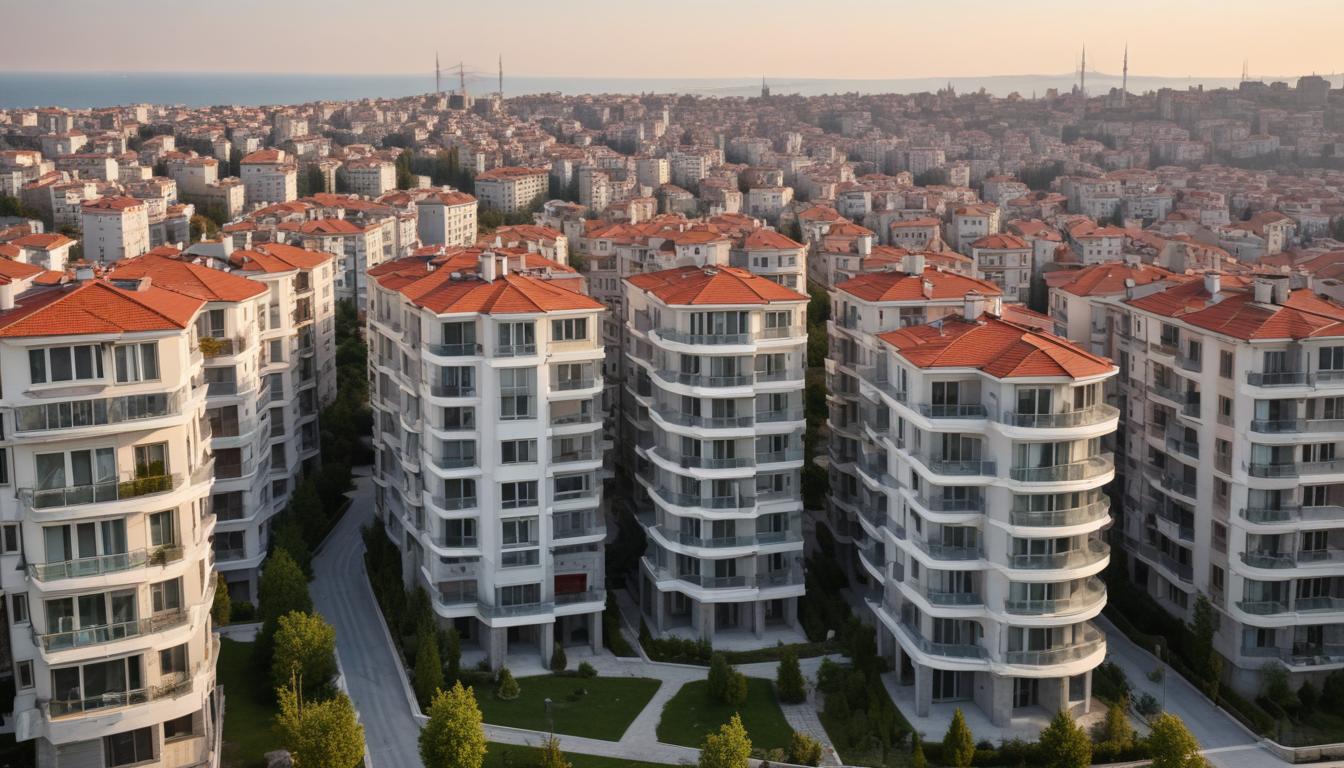
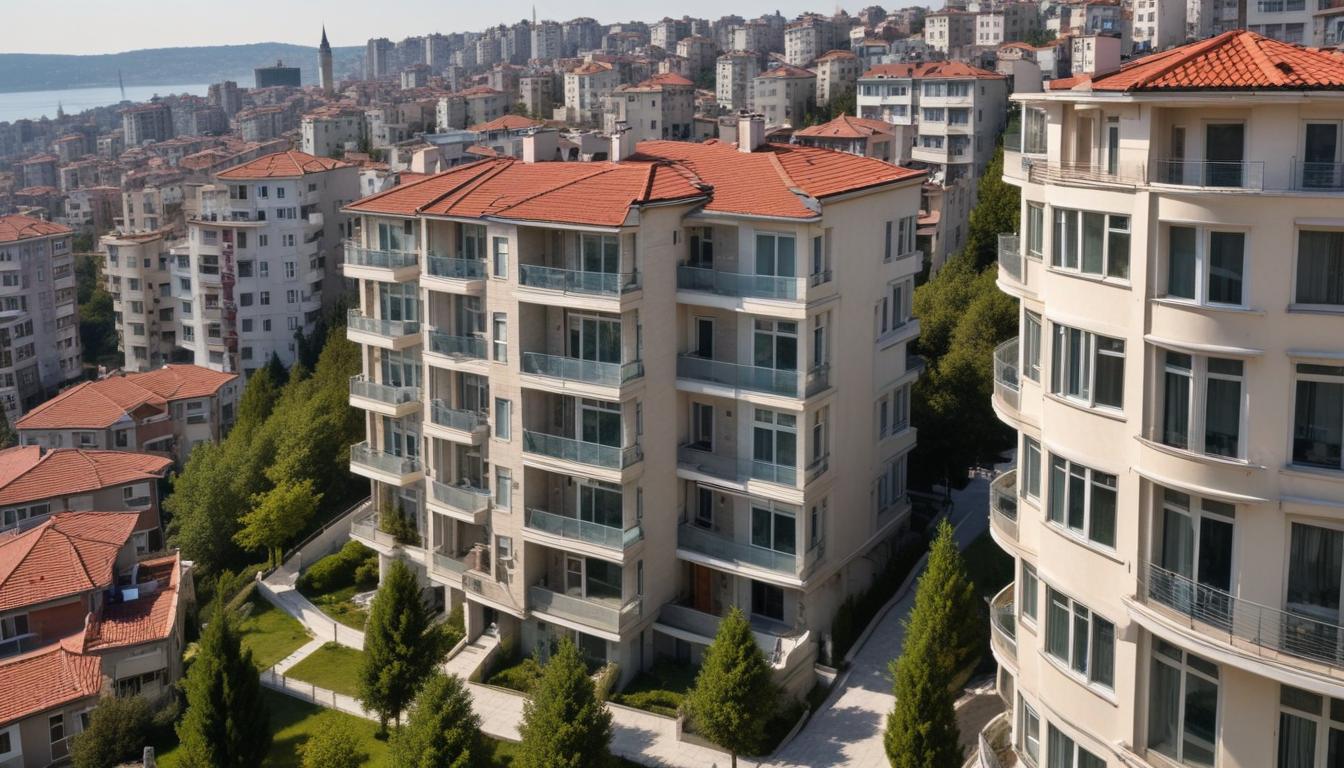
The surge in new residential developments, particularly in Sisli and Kadikoy, has nudged vacancy rates toward 3.5 to 4 percent in these neighbourhoods, the highest in five years. This seemingly modest change carries outsized implications for renters navigating a market where the average asking price sits around 2,500 USD per square metre citywide.
Sisli, long Istanbul's answer to aspirational urban living, is absorbing the most dramatic influx. Major mixed-use projects along Halaskargazi Caddesi and near Mecidiyekoy metro station have brought over 800 new rental units to market in the past 18 months. These aren't budget offerings—studios start at 1,800 USD monthly—but their sheer volume has fractured what was once a monolithic landlord advantage. Tenants shopping between identical floor plans in competing buildings can now negotiate deposit structures and lease terms that were unthinkable two years ago.
Kadikoy's Asian-side popularity, traditionally driven by university students and young professionals, is being reshaped by mid-range developments near Caddebostan and around Bagdat Caddesi. These projects appeal to the rental demographic moving beyond student housing, creating competition that benefits informed renters willing to compare options across the neighbourhood rather than accepting the first available unit.
The Besiktas and Beyoglu premium tier remains tighter—citizenship-by-investment foreign demand continues to absorb available inventory—but even here, pockets of relief are emerging. Several boutique projects in Ortakoy have faced slower-than-expected leasing, prompting developers to offer flexible terms.
For renters, this window demands action. Vacancy in newer buildings typically lasts 60 to 90 days before stabilising, meaning October could see rates normalise as units absorb. Smart tenants are leveraging current conditions: negotiating lower commissions (typically 50 percent of one month's rent), securing longer fixed-rate leases before potential increases, and demanding that landlords address maintenance issues in writing.
Property managers note that applications for new developments have increased 35 percent year-over-year, suggesting renters understand the moment. The rental market's traditional rigidity is momentarily permeable. That window won't stay open forever.
This article was compiled by AI from the sources linked above and screened before publishing. See our editorial standards.