Istanbul's rental market is undergoing a quiet transformation. After years of steady tenant demand fuelled by internal migration and citizenship-by-investment programmes, vacancy rates are beginning to shift—and first-time buyers need to understand what this means for their investment strategy.
Current market data suggests vacancy rates hovering between 4-7% across prime zones like Besiktas and Beyoglu, where average prices remain anchored around USD 3,200-3,500 per square metre. Meanwhile, emerging neighbourhoods like Sisli are experiencing tighter occupancy, with vacancy sitting closer to 2-3%, reflecting strong demand from young professionals gravitating toward the district's proximity to both European and Asian employment hubs.
For first-time buyers, this asymmetry presents opportunity—but requires homework. Kadikoy, on Istanbul's Asian side, has proven resilient, with vacancy rates remaining low despite market headwinds. The neighbourhood's appeal to both local renters and expatriates seeking walkable, culturally vibrant communities has steadied returns. Conversely, outer districts along the E5 corridor are seeing slightly elevated vacancies as investors oversupplied student housing in recent years.
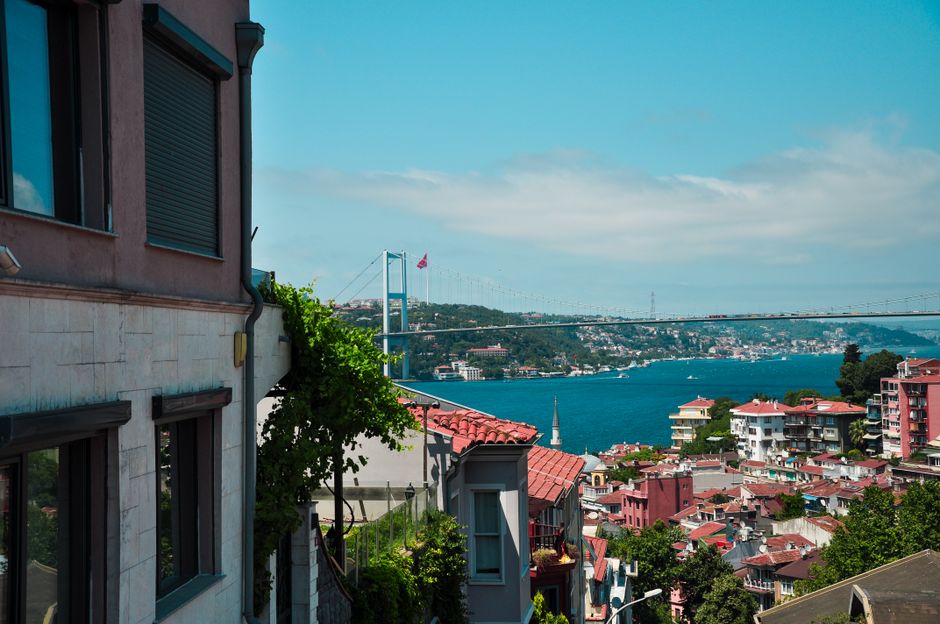
The citizenship-by-investment phenomenon remains a wild card. Foreign nationals acquiring property through this pathway have historically favoured trophy locations—the Bosphorus-facing developments in Ortakoy, penthouses near Taksim Square—creating pockets of underrented luxury stock. First-time buyers should avoid chasing these speculative zones unless their investment horizon extends beyond five years.
Practical guidance: Start by researching specific streets, not just neighbourhoods. A property on Cevdet Pasa in Besiktas will behave differently from one two blocks inland toward Akaretler. Check with local estate agents—firms clustered around Sisli's Halaskargazi Avenue or Kadikoy's bustling waterfront—for neighbourhood-specific vacancy data and rental yield benchmarks. Most reputable agencies can provide comparative rental rates for similar units, critical for assessing whether a USD 2,500/sqm purchase will generate acceptable returns.
Consider also the tenant demographic. Properties near Bogazici University or the German School command premium rents but face seasonal vacancy. Mid-range family apartments in Nisantasi or Etiler attract more stable, long-term tenants—valuable insurance against market swings.
Finally, understand that Istanbul's rental market remains resilient compared to global peers. Even at 6-7% vacancy, absorption rates typically recover within 2-3 months. First-time buyers should focus less on timing market bottoms and more on selecting fundamentally sound neighbourhoods with transparent rental histories and sustainable demand drivers.
This article was compiled by AI from the sources linked above and screened before publishing. See our editorial standards.