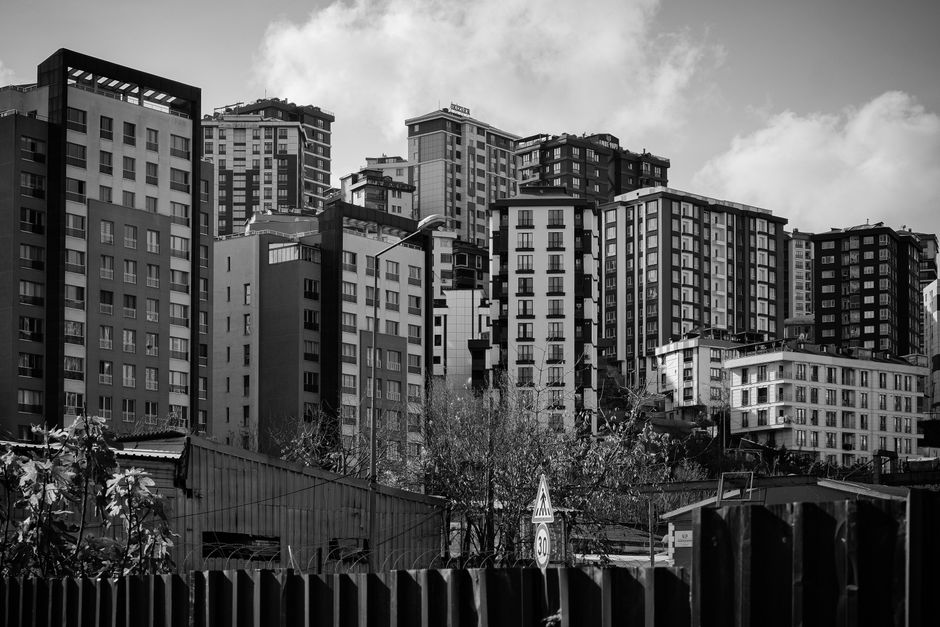
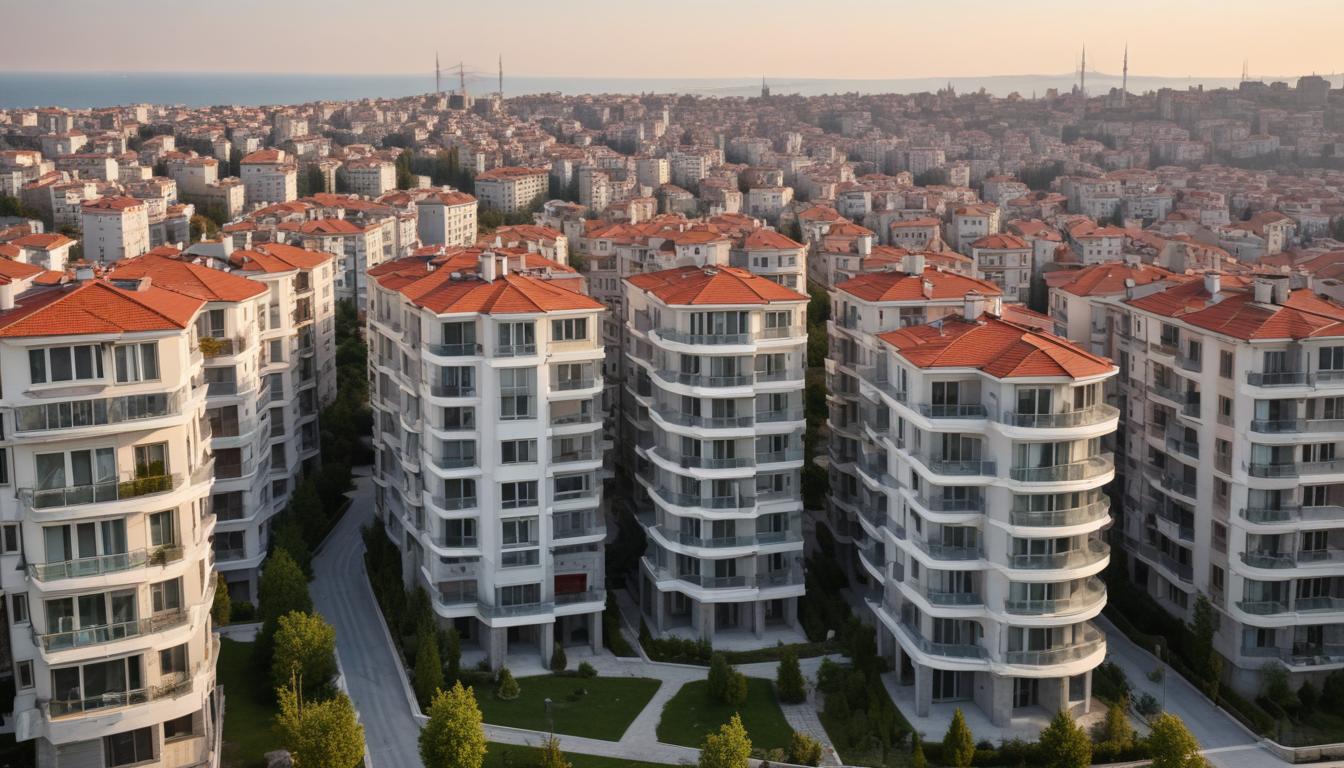
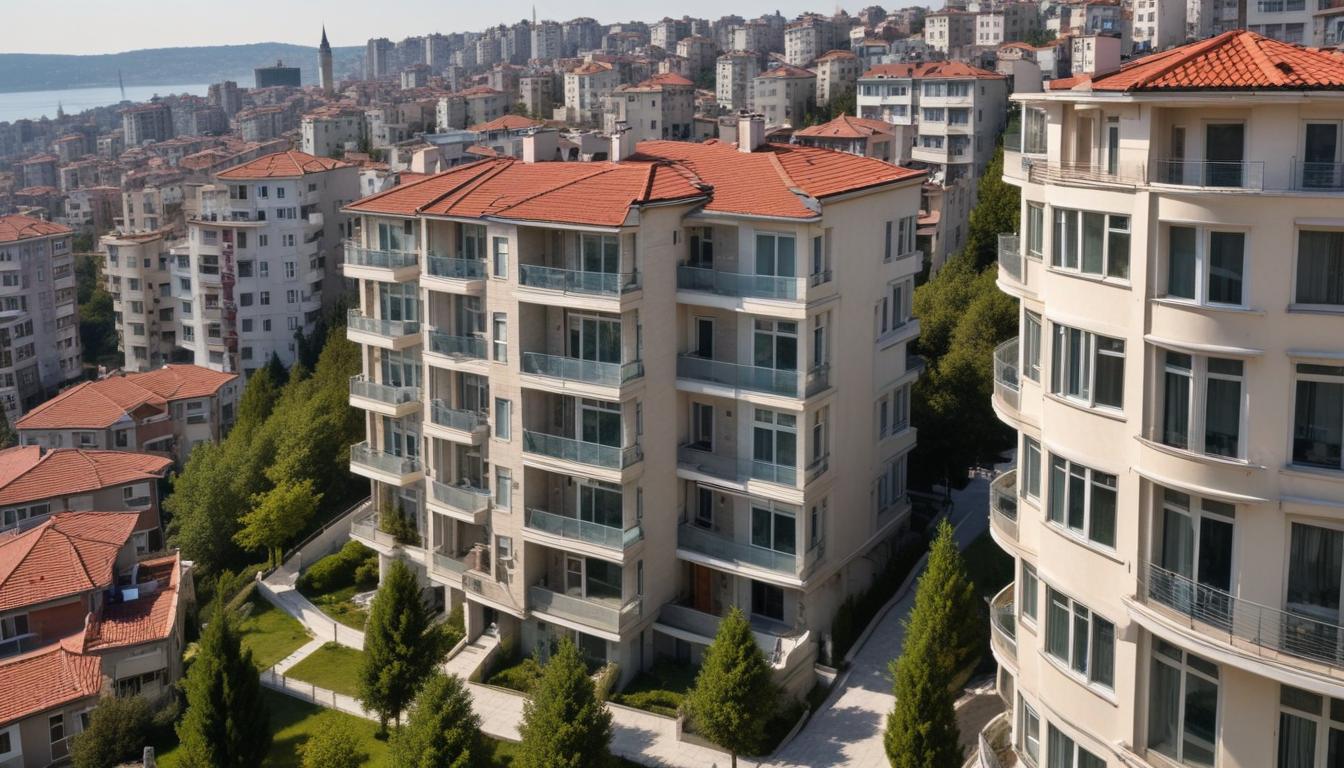
Istanbul's rental landscape is experiencing a seismic shift as major development projects transform established neighbourhoods. The completion of mixed-use complexes in Sisli—particularly along Halaskargazi Caddesi—has injected nearly 800 new residential units into the market in the past 18 months, creating both opportunities and challenges for prospective tenants navigating what remains a tight market.
Historically, Istanbul's rental vacancy rate has hovered below 3%, well below the healthy 5-7% threshold that typically favours tenants. However, new construction is beginning to change this equation. Developments like the Maslak-adjacent towers now featuring ground-floor retail alongside residential space have introduced modern amenities—smart home systems, co-working lounges, fitness facilities—that are redefining baseline expectations. Average rents in these new Sisli projects command $3,200-4,500 per square metre annually, compared to the citywide average of $2,500, yet they're attracting international renters seeking quality and stability.
On the Asian side, Kadikoy's ongoing transformation around Soganlı and Erenköy tells a different story. Newer developments here position themselves as lifestyle destinations rather than mere housing. Projects integrating pedestrian plazas, cultural spaces, and proximity to the Moda waterfront are absorbing demand from younger professionals and families seeking alternatives to Beyoglu's saturation. These neighbourhoods are seeing vacancy rates climb modestly to 2.5-3.5%—marginal but meaningful progress.
For tenants, this shift demands strategic thinking. The emergence of new stock provides negotiating leverage absent in previous years. Landlords with older properties in transition zones now compete directly with developers offering fixed-term transparency and maintenance guarantees. Savvy renters are capitalising on this, requesting lease flexibility and amenity parity with newer competition.
The citizenship-by-investment phenomenon continues driving foreign demand, particularly among investors holding properties as appreciating assets rather than rental income generators. This limits available stock, counteracting some benefits of new construction. Still, developments extending beyond premium zones—notably in Atasehir and Maltepe—are beginning to distribute rental supply more evenly across the metropolitan area.
Property agents note that tenants in 2026 increasingly distinguish between developments. Location near metro stations, established commercial corridors, and community infrastructure now outweigh proximity to historical landmarks. The rental market's evolution suggests that Istanbul's supply-demand imbalance, while persistent, is gradually becoming more nuanced and negotiable for informed renters willing to explore emerging neighbourhoods.
This article was compiled by AI from the sources linked above and screened before publishing. See our editorial standards.