Istanbul's affordable housing crisis has reached a tipping point. With average prices hovering around $2,500 per square metre across the city—and triple that in coveted districts like Besiktas and Beyoglu—a generation of young professionals, teachers, and service workers face an impossible choice: commute from the far periphery or leave Istanbul altogether.
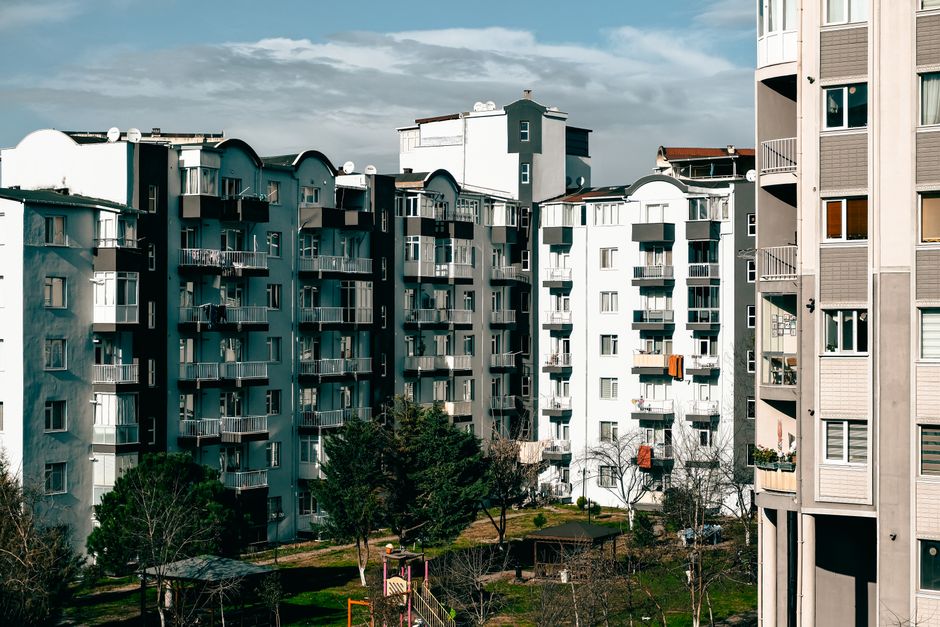
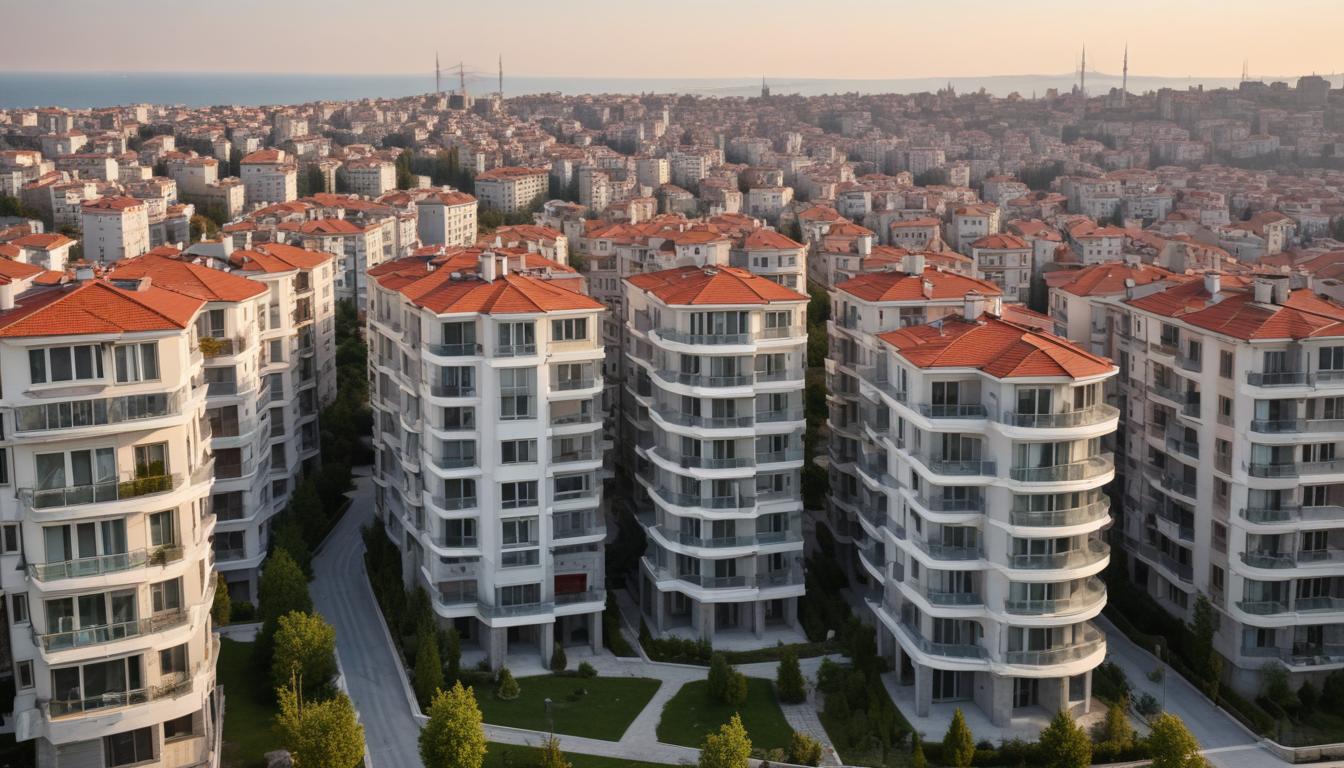
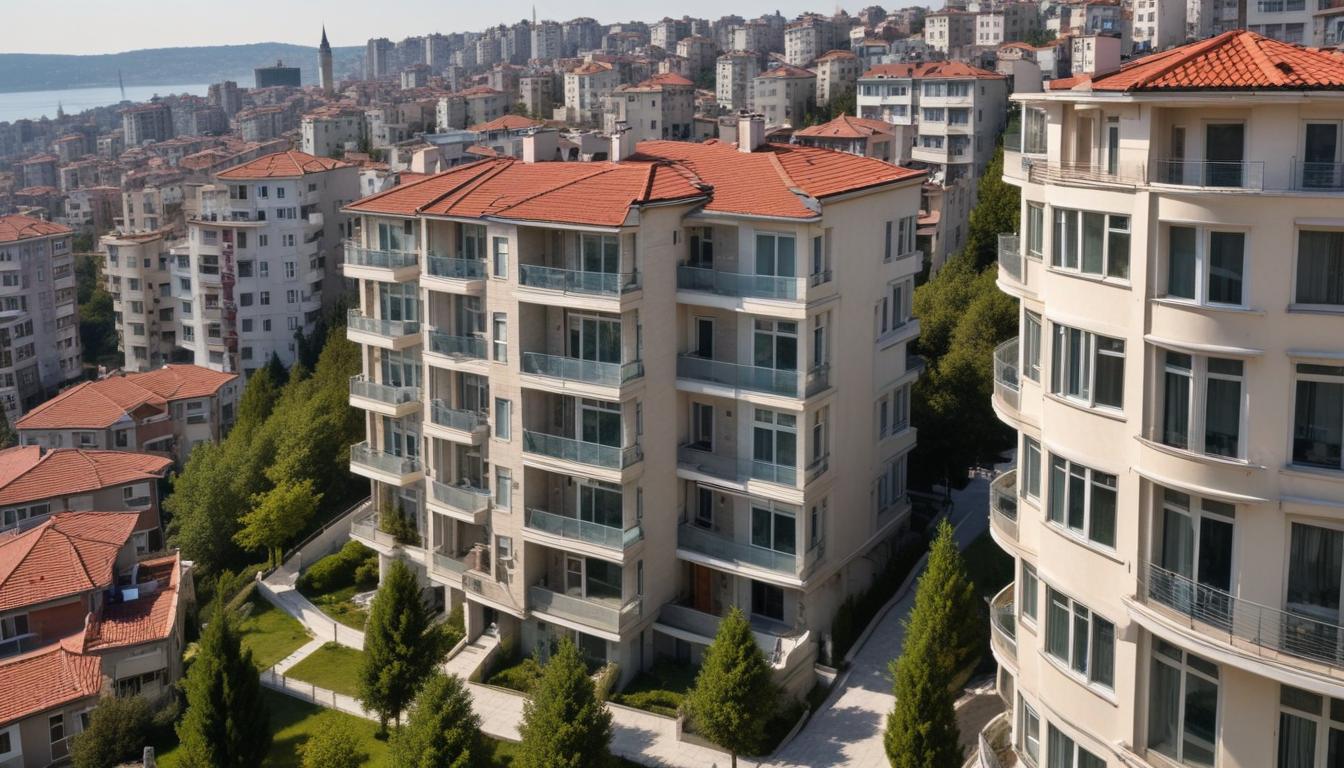
The response is tangible. Over the past eighteen months, three major social housing developments have begun construction in Başakşehir, Küçükçekmece, and Pendik—collectively planning to deliver 3,200 units priced between $1,100 and $1,600 per square metre. These aren't token gestures. They represent the most significant coordinated affordable housing push since the 2000s, driven by municipal pressure and changing investor appetite.
Başakşehir's new project, anchored near metro-accessible corridors in Halkalı, is already reshaping perceptions of that neighbourhood. Ten years ago, Halkalı meant warehouses and logistics hubs. Today, it's becoming a dormitory town with genuine urban services. Schools, clinics, and commercial centres are following the housing units, creating what planners call "polycentric development"—reducing pressure on already-saturated zones like Sisli and Kadikoy.
The Kadikoy Asian side, traditionally popular with middle-class families seeking village charm with city access, faces a different pressure. New affordable projects there risk overcrowding existing infrastructure. Yet advocates argue that spreading density more evenly across the Asian shore—rather than concentrating it—may ultimately preserve the neighbourhoods locals actually want to live in.
The citizenship-by-investment phenomenon has complicated these efforts. Foreign capital continues driving premium property values upward, creating a two-tier market. Affordable housing projects, therefore, serve an increasingly crucial function: they're where Turkish nurses, engineers, and municipal workers can still afford to buy.
Not everyone welcomes the expansion. Residents in Küçükçekmece worry about strain on utilities and rising traffic toward the E-5 highway corridor. Local shop owners express mixed feelings—more customers, yes, but also dilution of character.
Yet the broader calculus seems clear. Istanbul must house its workforce somewhere. The question isn't whether these neighbourhoods will change, but whether change happens chaotically or with intentional urban planning. These new projects, whatever their shortcomings, represent the latter—an attempt to distribute growth rather than let it concentrate in impossible enclaves where even a studio apartment costs $400,000.
For now, the waiting lists for these units are measured in thousands. The real test comes next year, when residents move in and the true impact on neighbourhood infrastructure and character becomes visible.
This article was compiled by AI from the sources linked above and screened before publishing. See our editorial standards.