Istanbul Property Investment Yields: New Development Guide
Sisli and Besiktas new builds are reshaping Istanbul rental yields. Learn which neighbourhoods offer genuine returns for landlord investors in 2024.
Sisli and Besiktas new builds are reshaping Istanbul rental yields. Learn which neighbourhoods offer genuine returns for landlord investors in 2024.
Istanbul's property market has entered a critical inflection point. While the city's average asking price holds steady around $2,500 per square metre, the real story for yield-focused landlords lies in understanding how new development corridors are fundamentally altering neighbourhood fundamentals and rental demand patterns.
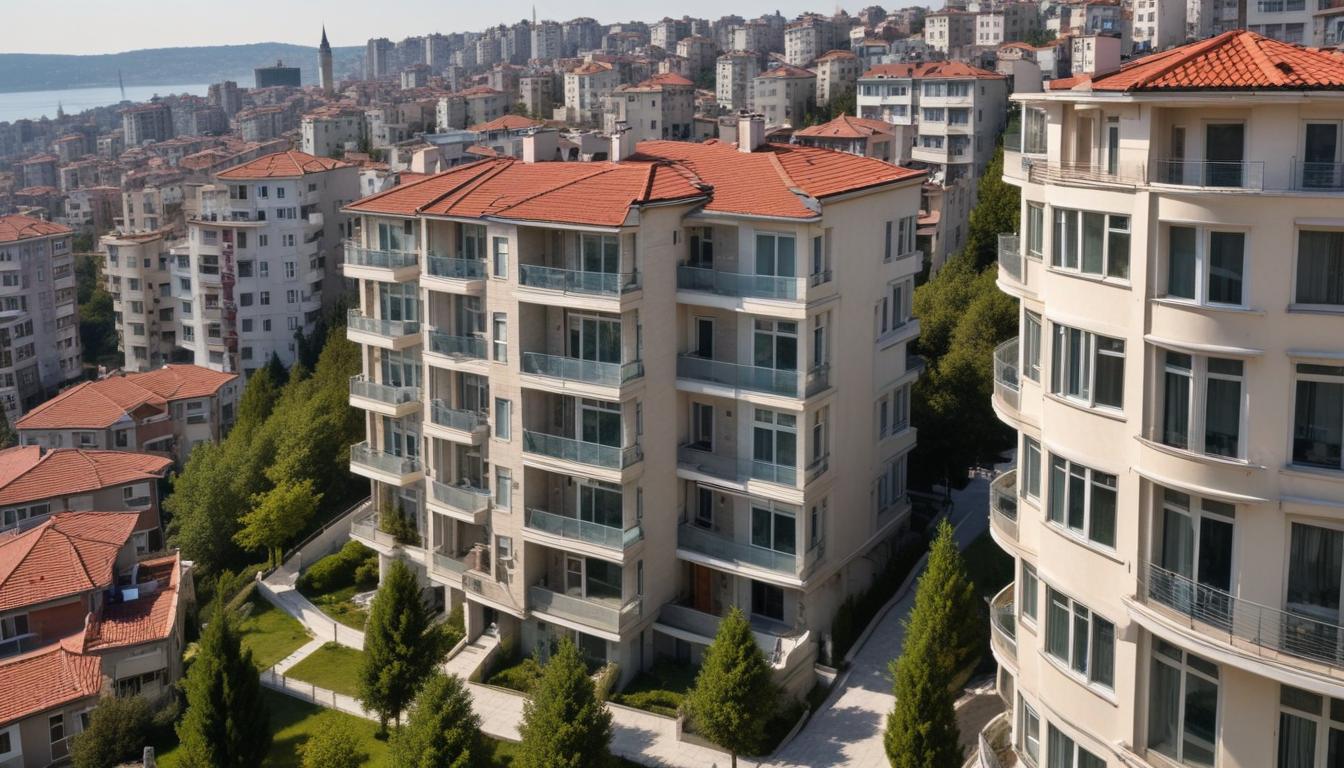
The Sisli district exemplifies this shift. Over the past eighteen months, major mixed-use projects along Halaskargazi Caddesi and surrounding avenues have accelerated residential density. These aren't luxury trophy assets—they're mid-market apartment blocks designed for young professionals and expatriate families. For landlords, this matters considerably. New developments typically attract tenants seeking modern amenities: central heating systems, earthquake-resistant construction, and gym facilities. These features command rental premiums of 12–18 per cent compared to older stock in adjacent areas. A modest two-bedroom apartment in a new Sisli complex currently yields 5.2–5.8 per cent annually, compared to 4.1 per cent for comparable older properties.
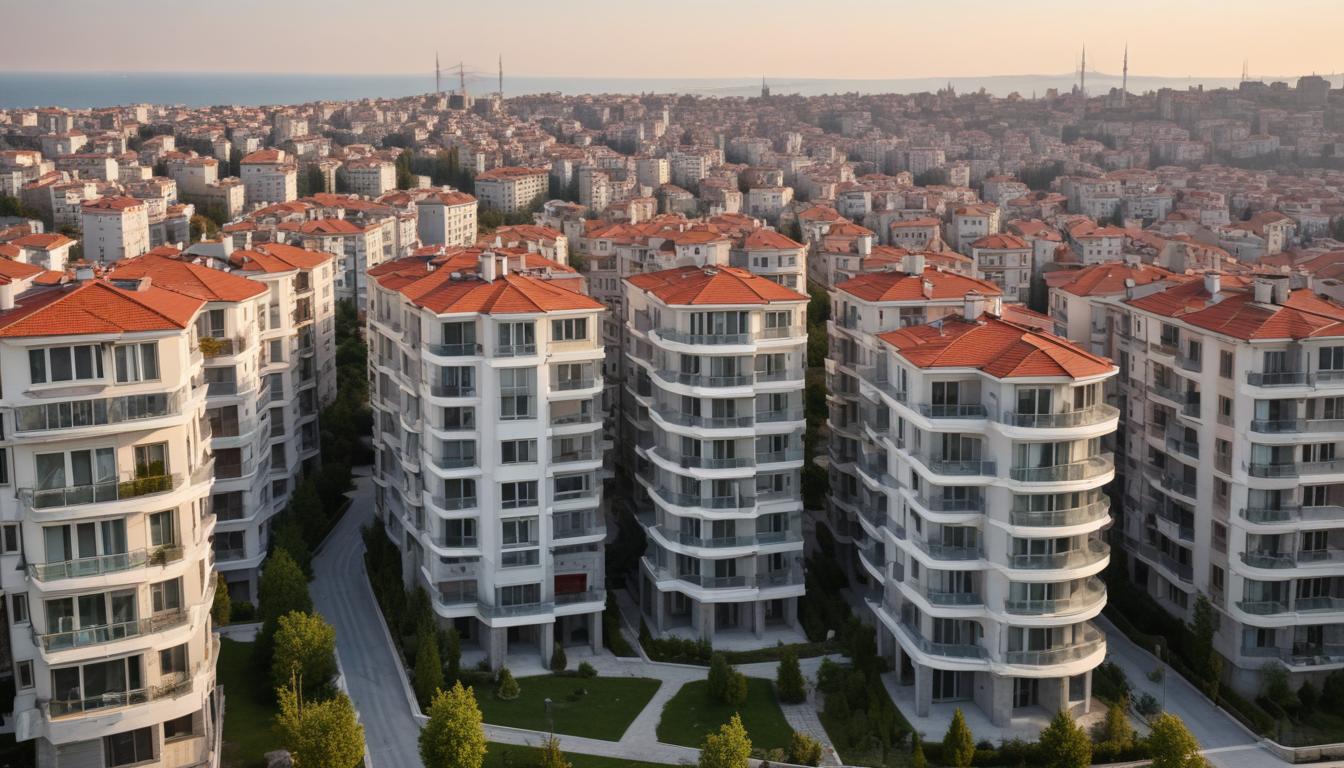
Besiktas presents a different calculus entirely. Waterfront regeneration projects near the Ortaköy shoreline and around Akaretler are attracting both owner-occupiers and international investors leveraging Turkey's citizenship-by-investment pathway. These developments command premium pricing—often $4,200–$5,100 per square metre—but yields remain compressed at 3.5–4.2 per cent, reflecting the neighbourhood's prestige and foreign capital inflows.
What about Kadikoy, the Asian side's perennial darling? New residential complexes emerging behind the Kadikoy waterfront and extending toward Goztepe are fragmenting the neighbourhood's once-homogeneous rental market. Purpose-built student housing and serviced apartments near universities are generating stronger yields (5.5–6.1 per cent) than family housing, suggesting that landlords should carefully segment their tenant strategy rather than adopting a one-size-fits-all approach.
For practical landlords, several principles apply. First, new developments typically activate surrounding infrastructure—restaurants, transport links, retail—within 12–24 months. Purchasing adjacent older properties before these amenities fully materialise can offer substantial upside. Second, administrative bodies like the Istanbul Metropolitan Municipality have accelerated planning approvals in Sisli and parts of Kadikoy, signalling sustained construction momentum. Third, citizenship-by-investment demand is concentrating foreign capital in premium zones like Besiktas and Beyoglu, potentially softening yields in mid-market segments.
The lesson: Istanbul's landlord playbook requires neighbourhood-specific analysis. Development proximity isn't uniformly positive—it depends entirely on whether you're chasing capital appreciation or yield. In Sisli, development equals yield opportunity. In Besiktas, it means capital preservation and lifestyle appeal. Understanding this distinction separates successful Istanbul property investors from those left holding depreciating assets.
This article was compiled by AI from the sources linked above and screened before publishing. See our editorial standards.
How does this story make you feel?
Spread the word
About this article
Published by The Daily Istanbul
Daily brief
Free, in your inbox before 7am. Weekdays.
More in Property