Istanbul's luxury rental market has entered a new phase—one where landlords hold nearly all the cards. With foreign investment accelerating through citizenship-by-investment schemes and expat populations swelling across premium neighbourhoods, the competition for high-end properties has transformed rental dynamics in ways that favour owners while leaving tenants increasingly vulnerable.
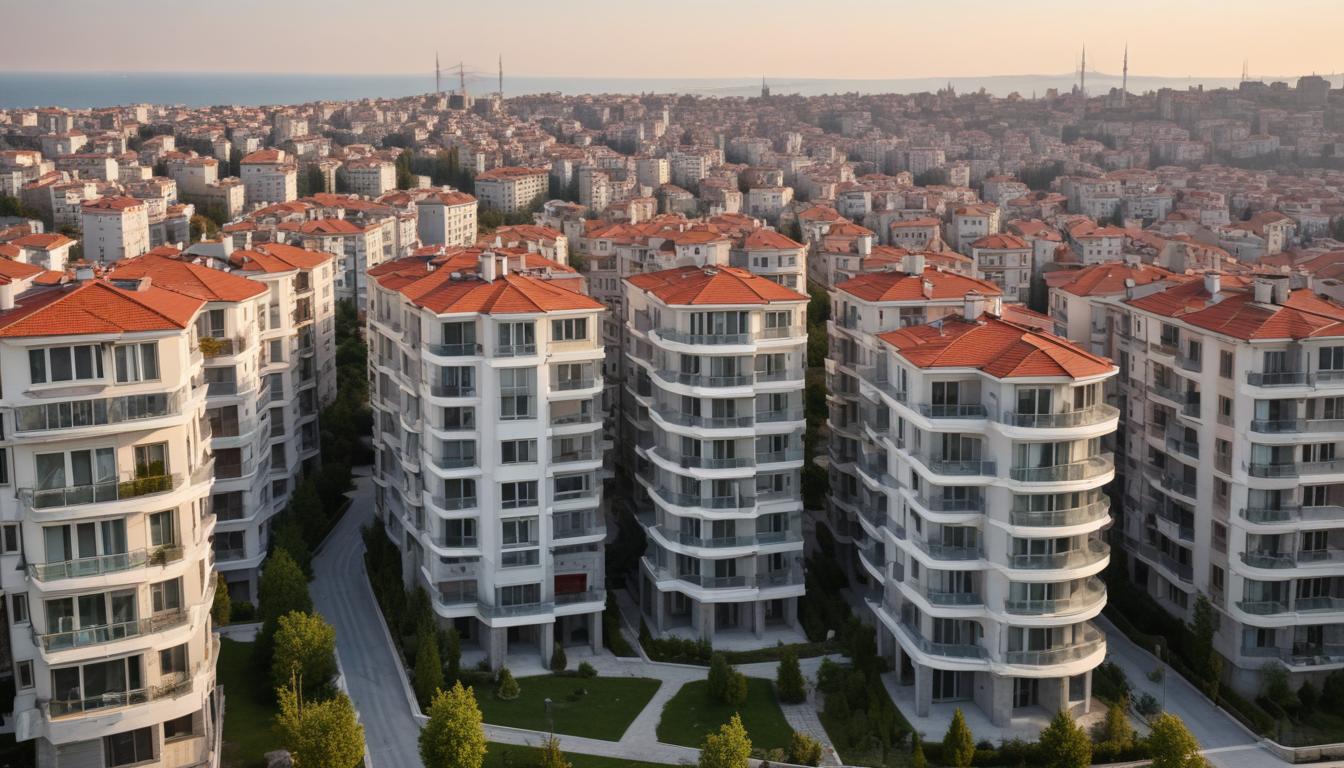
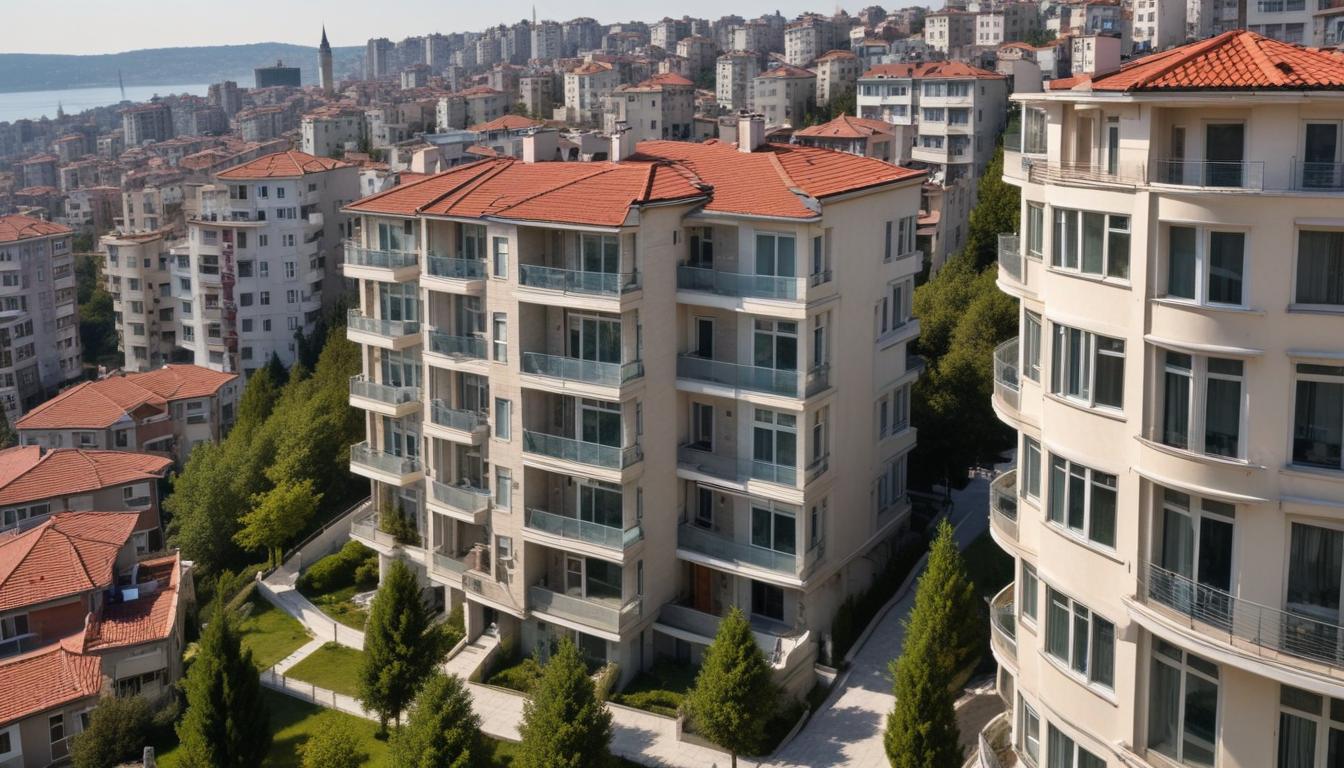
Along the leafy streets of Sisli, where four-bedroom apartments now command monthly rents of $4,500–$6,500 USD, landlords are reporting unprecedented interest. Properties overlooking the Bosphorus in Besiktas and Ortakoy—traditionally Istanbul's most coveted addresses—are seeing bidding wars for annual leases that would have seemed unthinkable three years ago. Meanwhile, across the Galata Bridge in Beyoglu's transformed waterfront, boutique residential towers are achieving near-full occupancy within weeks of listing.
The imbalance has cascading effects. Tenants report being asked for four to six months' deposit instead of the customary two, with landlords citing "security concerns" and market volatility. Lease terms have shrunk from two-year agreements to one-year minimums, denying long-term renters any stability. Property management firms operating from Nisantasi to Kadikoy's increasingly affluent neighbourhoods are openly prioritising short-term rentals—which yield 12–15% annually—over traditional fixed-lease arrangements that hover around 4–6%.
"The rental market has become a commodity play," explains the Istanbul Chamber of Commerce's property sector analysis. Average rents in premium zones have climbed 28% year-on-year, while tenant protections under Turkish law remain relatively weak for luxury properties. Furnished apartments in Sisli and Besiktas often include clauses allowing mid-lease price adjustments if inflation exceeds 10%—a real risk in Turkey's economic climate.
For landlords, the returns are compelling. A $2.5 million apartment in Besiktas renting for $5,000 monthly generates healthy yields, especially for foreign investors playing long-term appreciation. But for tenants—whether corporate expatriates, diplomats, or high-earning professionals—the equation has shifted. Furnishing deposits, navigating unfamiliar lease structures, and budgeting for potential mid-term hikes adds friction that didn't exist in a buyer's market.
The real test will come if foreign investment plateaus or interest rates rise further. For now, Istanbul's ultra-premium rental neighbourhoods remain firmly tilted toward landlord advantage, reshaping who can afford to live in the city's most desirable addresses and for how long.
This article was compiled by AI from the sources linked above and screened before publishing. See our editorial standards.