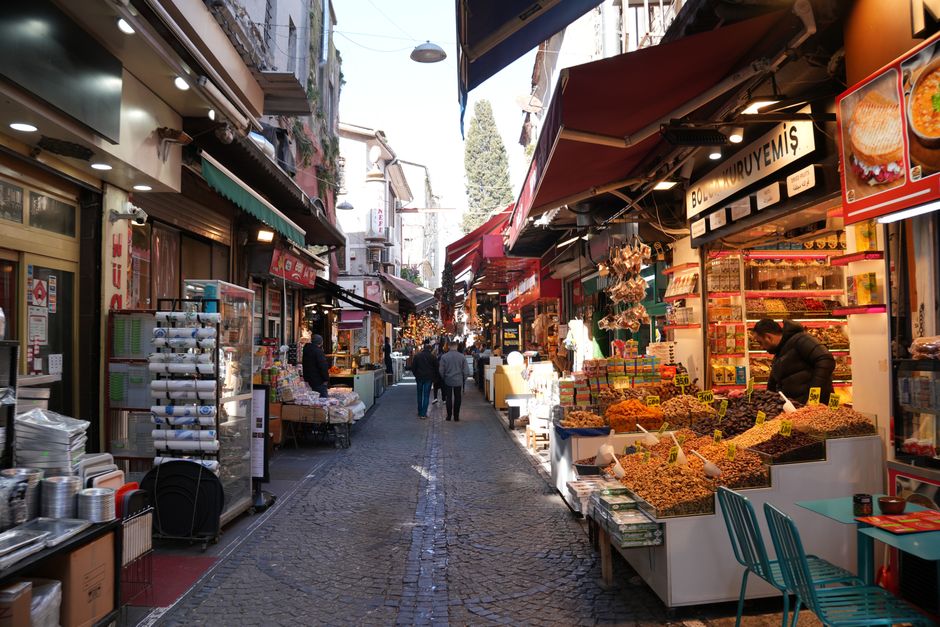
For years, Arnavutkoy existed in Istanbul's investment periphery—a charming waterfront village on the European shore, celebrated by locals for its fish restaurants and weekend escapes but largely overlooked by the capital-seeking crowd. That calculus has shifted dramatically. Property analysts tracking the market's evolving geography point to Arnavutkoy as 2026's most compelling value proposition, with transaction volumes up 67% year-on-year and average prices climbing to $1,850 per square metre—still significantly below the city's $2,500 baseline and a fraction of Besiktas's premium positioning.
The catalyst is infrastructure. The Northern Marmara Motorway, completed last year, has compressed travel time to central Sisli from 55 minutes to 22. The Metrobus extension reaching the Arnavutkoy seafront is entering final stages. This accessibility equation—coupled with Arnavutkoy's authenticity, low-rise building stock, and unobstructed Bosphorus views—has created an unusual market window: genuine scarcity meeting emerging convenience.
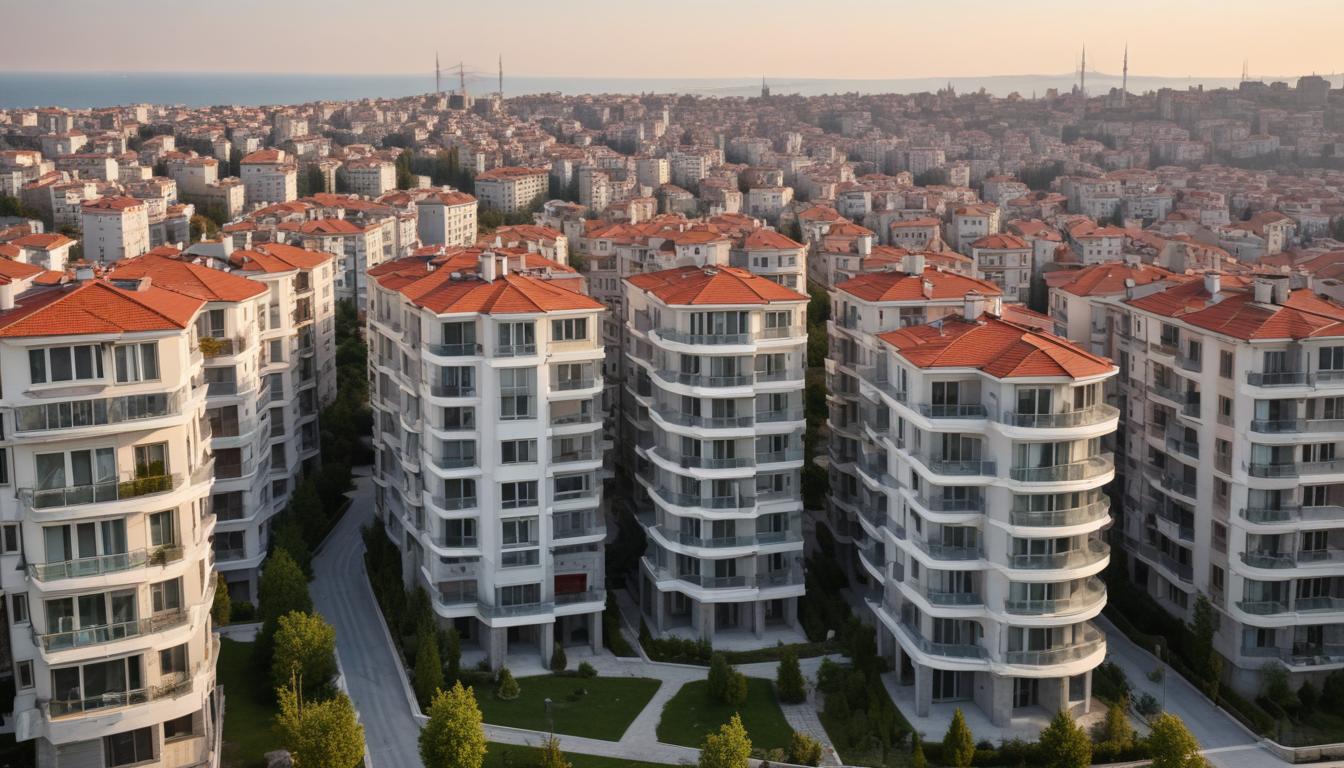
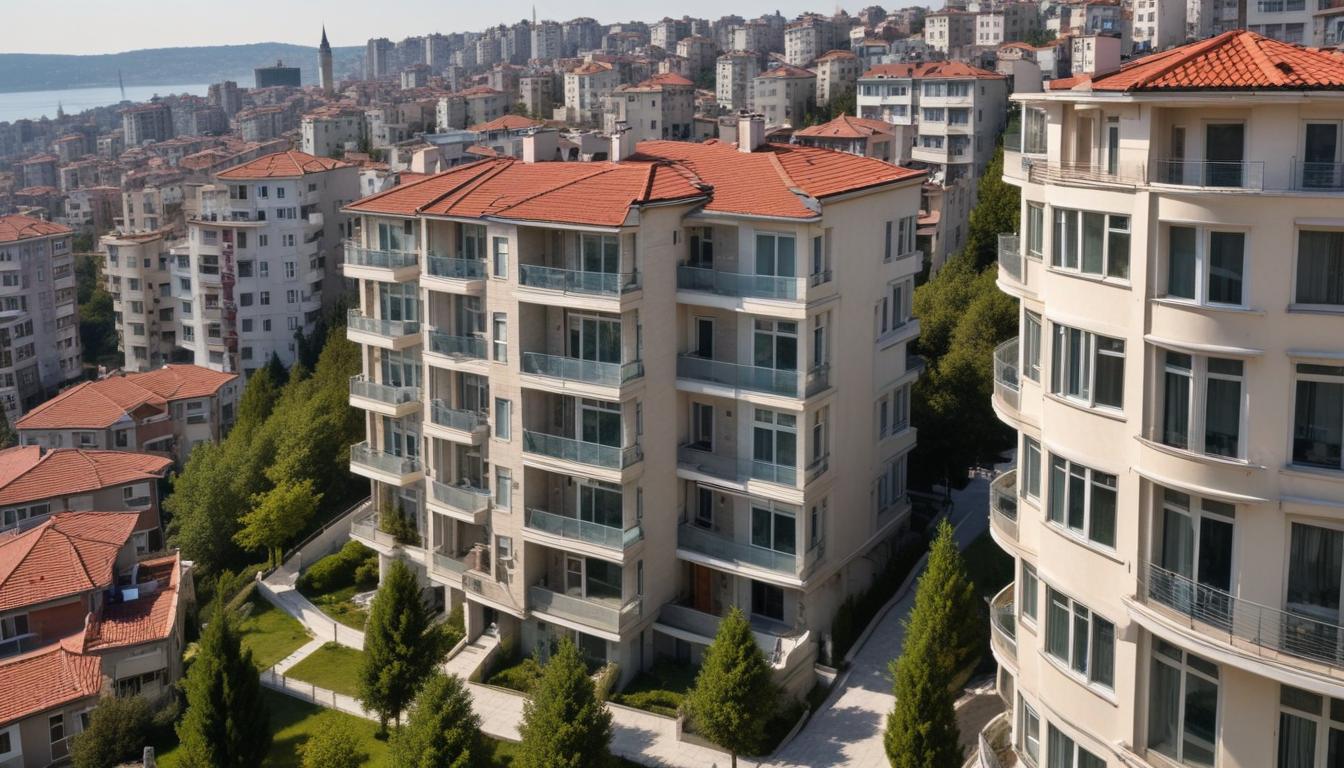
Developers are responding. The Arnavutkoy Waterfront Project, launched by a consortium of Turkish and Emirati investors, has already sold 340 units across three completed phases. A 15,000-square-metre civic plaza near the Arnavutkoy Mosque now hosts weekend markets and cultural events, anchoring the neighbourhood's transformation from quiet suburb to destination. Property Insight Istanbul's latest report identifies the stretch between Sariyer Road and the shoreline as the zone of maximum interest, where new construction commands premiums of 15-22% over surrounding stock.
Foreign investment is climbing. Citizenship-by-investment inquiries for Arnavutkoy properties have tripled in twelve months, driven by wealthy Gulf and Central Asian buyers seeking authentic neighbourhoods with modern amenities. A 120-square-metre two-bedroom apartment overlooking the Bosphorus now fetches approximately $220,000—comparable to a single room in central Beyoglu.
Not everyone celebrates the shift. Long-time residents worry about preservation. Heritage buildings along the waterfront—Ottoman-era fish processing facilities and fishermen's lodges—face pressure from conversion developers. The Arnavutkoy Residents' Association has successfully lobbied for preservation overlays on eleven key structures, but tensions persist between conservation and capital.
For investors, timing matters. The infrastructure window—connectivity without saturation—typically closes within 18 to 36 months. Early adopters betting on Arnavutkoy's trajectory point to Sisli's parallel evolution: a relatively affordable neighbourhood that became Istanbul's most sought-after business address within a decade. Whether Arnavutkoy follows that arc depends on execution: maintaining character while embracing growth, a balance the market rewards most handsomely.
This article was compiled by AI from the sources linked above and screened before publishing. See our editorial standards.