Istanbul's property market has transformed dramatically. At an average of $2,500 per square metre, prices have stabilised after years of volatility—but that figure masks a fractured landscape where location determines everything for first-time buyers.
The obvious entry barriers exist in Besiktas and Beyoglu, where waterfront apartments and restored Ottoman conversions near the Galata Tower routinely exceed $8,000/sqm. These neighbourhoods attract international investors and citizenship-by-investment applicants, creating a speculative layer disconnected from local wage reality. Young Istanbul professionals entering the market should look elsewhere.
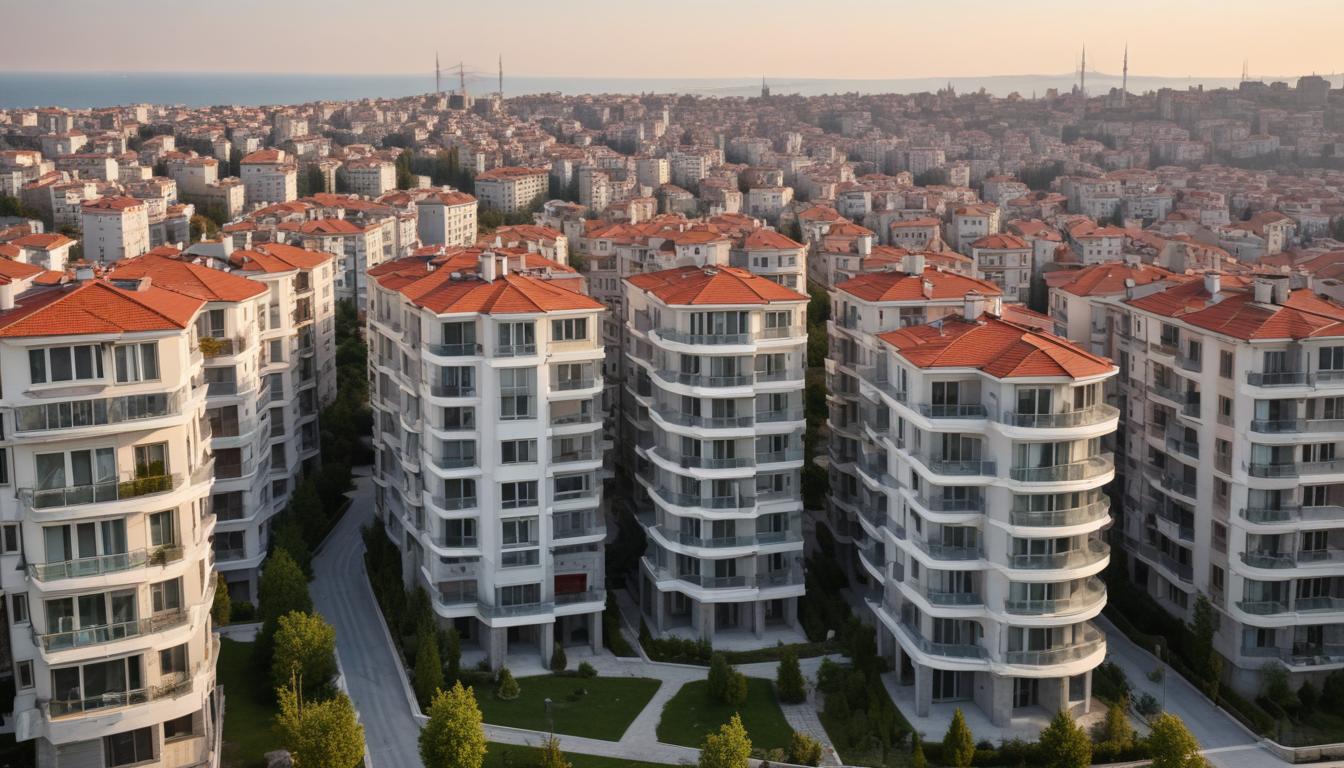
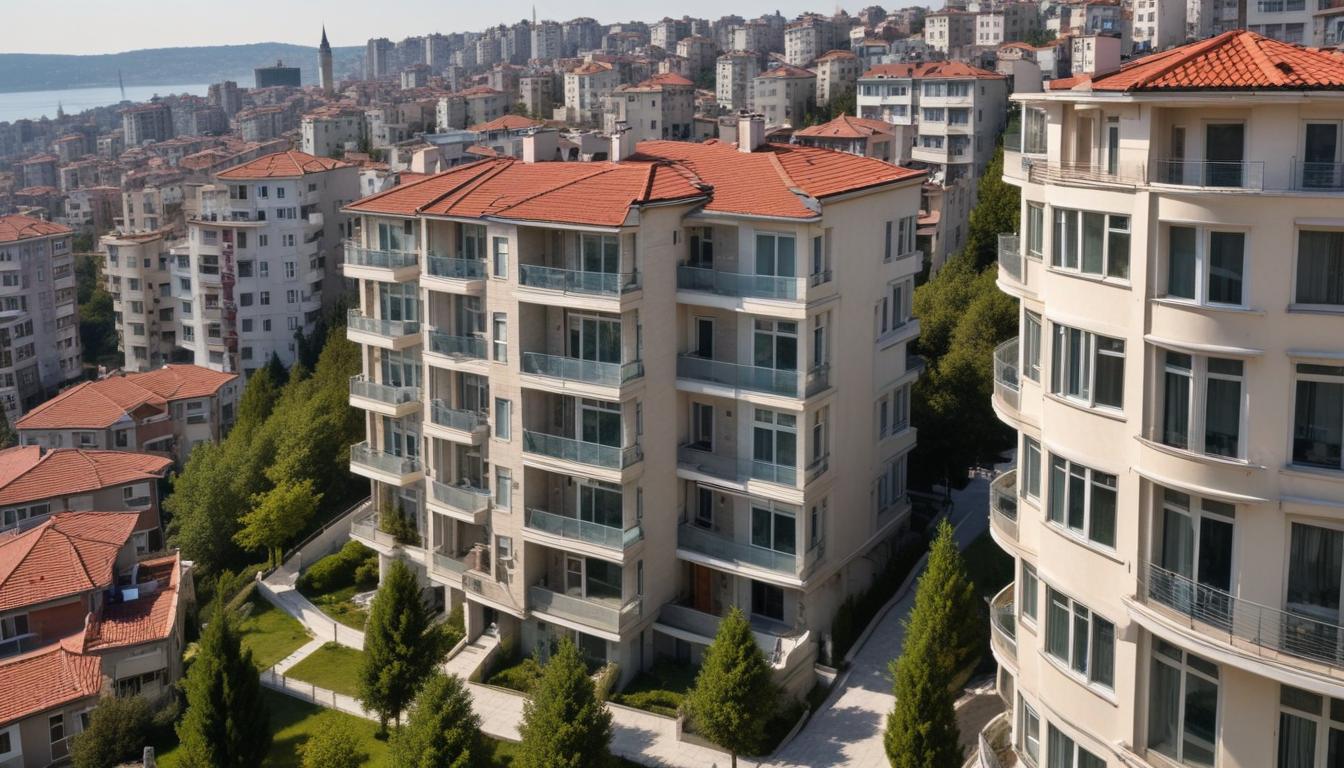
Sisli represents the current sweet spot for first-time buyers. This central European-side district has seen measured appreciation without the premium zones' volatility. Properties along Abide-i Hurriyet and surrounding streets trade at $3,200–$4,200/sqm for well-maintained stock. You're buying proximity to the commercial core and metro access without the Besiktas premium. Rental yields here remain attractive—a factor worth considering if you plan to let before upgrading later.
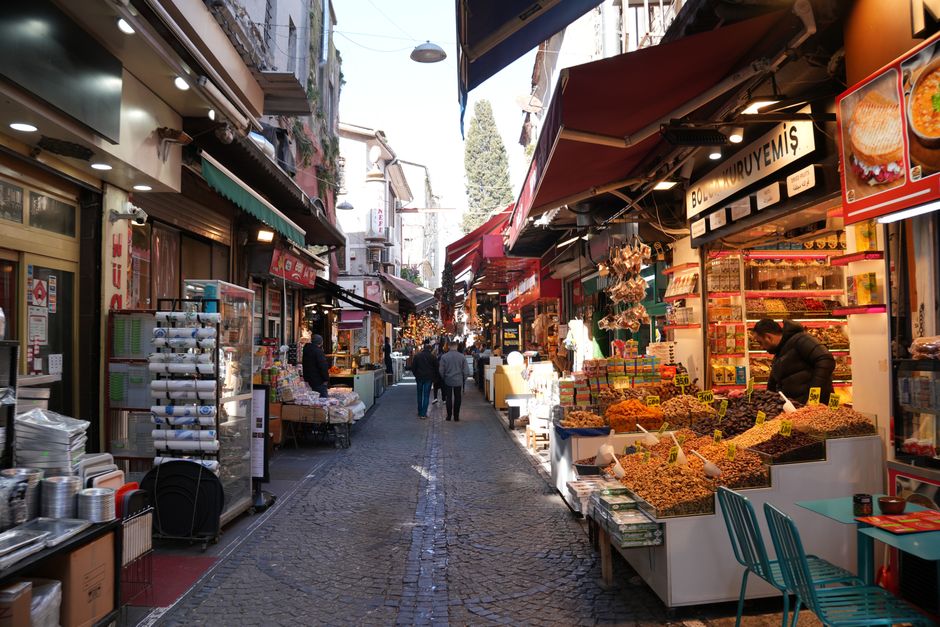
The Asian side offers genuine affordability. Kadikoy, increasingly popular with younger professionals and families, averages $2,800/sqm in central neighbourhoods like Moda and Caferaga, while outlying areas near Fenerbahce Station dip to $2,200/sqm. The neighbourhood has authentic street culture around Kadikoy Market and genuine neighbourhood infrastructure—not just investment speculation.
Budget discipline matters more than ever. The citizenship-by-investment phenomenon has inflated off-plan apartment projects, particularly in emerging zones. New developments promising 10% annual appreciation should trigger scepticism; developers now compete on payment flexibility rather than price, signalling softening demand in speculative segments.
A realistic first-time buyer with $350,000 USD faces choices: a 140sqm apartment in Sisli, a 160sqm place in Kadikoy's central neighbourhoods, or a smaller property with renovation potential in emerging areas like Eyupsultan or Basaksehir (which, despite outer-city location, now offers metro connectivity).
Professional advice matters. Istanbul's property registration process (Tapu) has modernised, but navigating title clarity, building permits, and local zoning regulations requires qualified legal consultation. Don't skip this investment—bad purchases are far costlier than legal fees.
The current market rewards patience over haste. With foreign demand sustaining prices in premium zones while local affordability pressures grow, first-time buyers should focus on neighbourhoods with genuine utility—proximity to work, transport, schools—rather than speculative potential. Istanbul's market will cycle again, but owners who buy for reasons beyond appreciation tend to weather volatility better.
This article was compiled by AI from the sources linked above and screened before publishing. See our editorial standards.