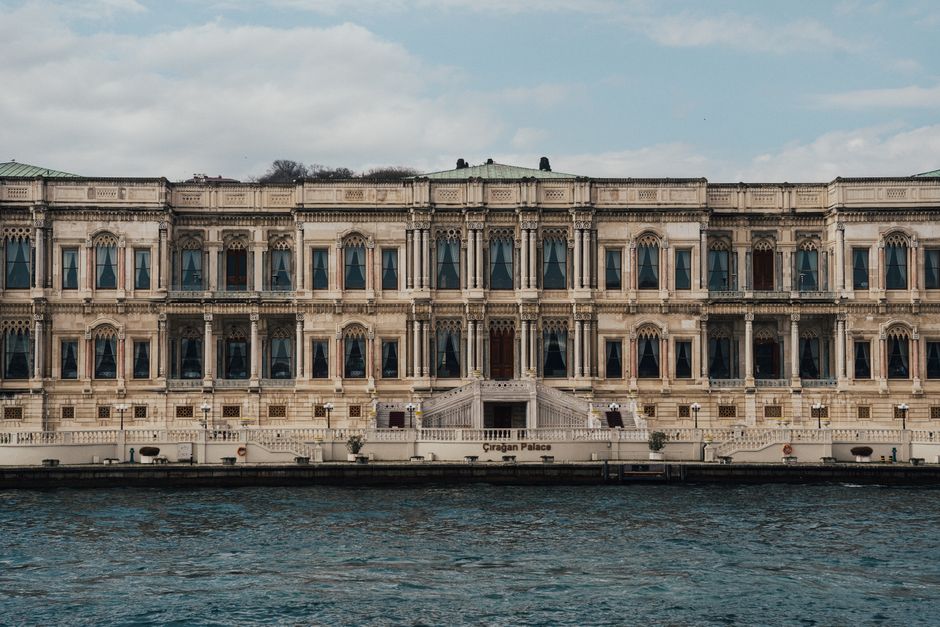
Istanbul's luxury property market is sending contradictory signals. While headline-grabbing sales continue along the Bosphorus waterfront and within Besiktas's tree-lined enclaves, underlying auction data and transaction patterns suggest the market's geography—and its mechanics—are quietly shifting.
The latest market sweep reveals a striking trend: trophy properties in established strongholds like Ortakoy and Kuruçesme remain anchored above USD 8,000 per square metre, with prime Bosphorus-facing parcels occasionally exceeding USD 12,000/sqm. Yet these ultra-premium sales have grown sparse. Meanwhile, auctions across secondary luxury zones—particularly in Sisli's rapidly gentrifying corridors around Osmanbey and Tesviktiye—now consistently clear at USD 4,500–6,500/sqm, a trajectory unthinkable three years ago.
What's notable is velocity. Property auctions in Sisli moved faster in Q2 2026 than comparable assets in Beyoglu, traditionally the Asian gateway's prestige equivalent. Kadikoy's emerging ultra-high-net-worth clusters around Moda and Fenerbahce have similarly accelerated, with several recent sales closing within 90 days—a metric rarely seen outside Besiktas proper before 2024.
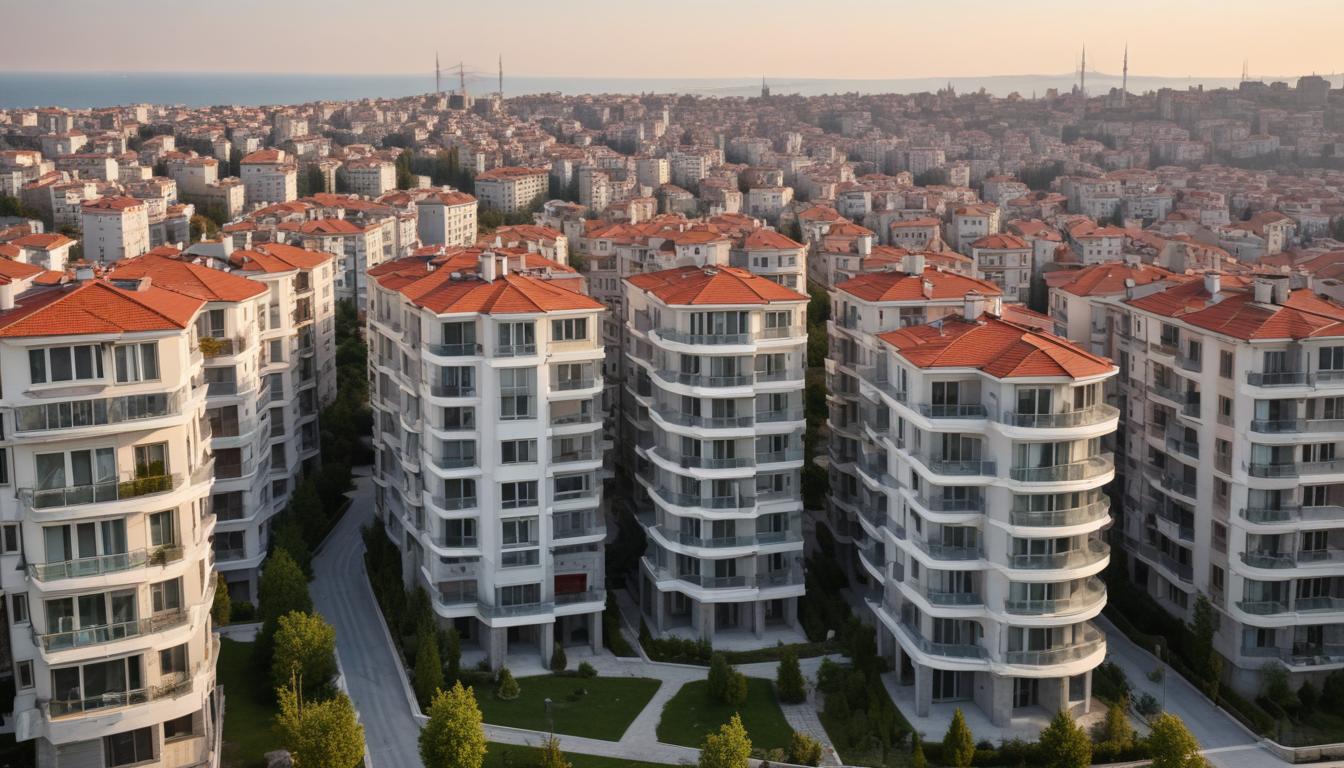
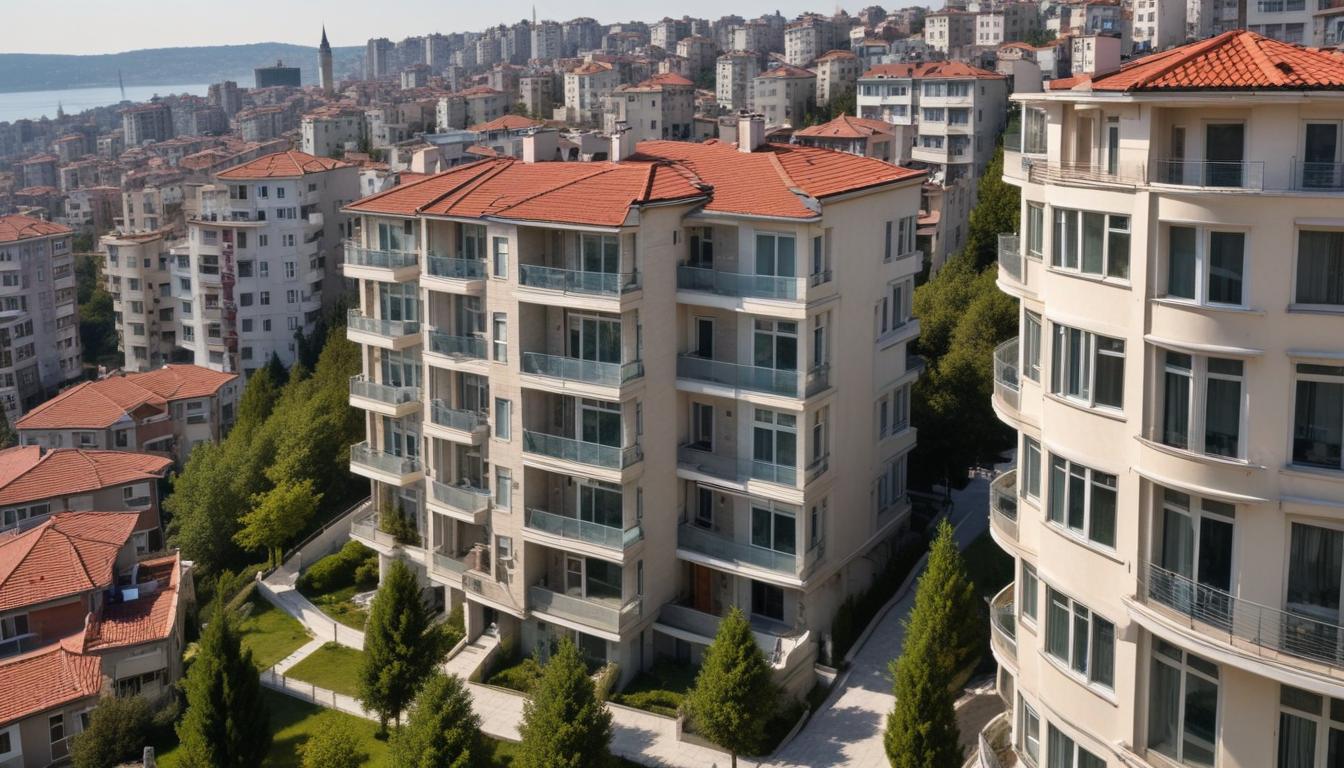
The citizenship-by-investment phenomenon continues to shape demand architecture. Foreign acquisition activity, particularly from Gulf nationals and Central Asian investors, now concentrates in three vectors: trophy Bosphorus addresses (unchanged preference), emerging luxury nodes with development upside (Sisli, northern Kadikoy), and new-build trophy complexes offering turnkey prestige without renovation risk. This last category saw auction clearance rates climb to 87% in May—the highest recorded since the initiative gained traction in 2023.
Perhaps most telling: asking prices and realized prices have diverged noticeably. Luxury properties in Besiktas listed above USD 10m increasingly sit 120+ days on market, while USD 2–5m properties across Sisli and premium Kadikoy zones move within 45 days. This suggests a recalibration of buyer psychology—not away from prestige, but toward perceived value and liquidity over pure exclusivity.
Auction houses report another nuance: trophy land parcels—the true scarcity asset—command premiums that defy broader slowdowns. Empty land sold through formal auction processes consistently achieves 95%+ of reserve prices, signalling institutional buyers view undeveloped Bosphorus-adjacent parcels as inflation hedges, not immediate development opportunities.
The headline, then, is not market weakness but rebalancing. Istanbul's prestige property ecosystem is stratifying: ultra-trophy assets remain stable but illiquid, secondary luxury zones are heating up with genuine demand from both local wealth and foreign capital, and land—the ultimate finite asset—commands discipline independent of broader sentiment. For investors and developers, the signal is clear: prestige in 2026 increasingly means optionality, not just address.
This article was compiled by AI from the sources linked above and screened before publishing. See our editorial standards.