Istanbul's Rental Yields Hold Steady as Vacancy Rates Shift Investor Calculus
New data reveals how changing tenant demand across Besiktas, Sisli and Kadikoy is reshaping returns for property investors betting on Turkey's rental market.
New data reveals how changing tenant demand across Besiktas, Sisli and Kadikoy is reshaping returns for property investors betting on Turkey's rental market.
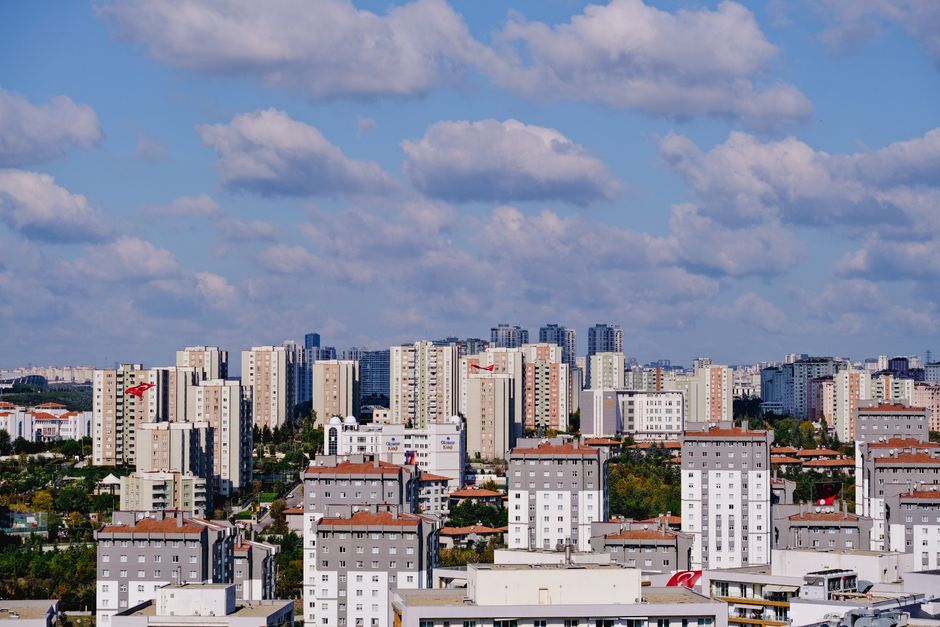
Istanbul's rental market is sending mixed signals to investors in mid-2026, with vacancy rates climbing in premium zones while yields remain competitive by international standards. Recent market analysis shows gross rental yields hovering between 4.5% and 6.2% across the city's most sought-after neighbourhoods—a margin that continues to attract foreign capital despite elevated purchase prices.
The data tells a nuanced story. In Besiktas, where waterfront apartments command $4,200–$5,500 per square metre, vacancy rates have ticked upward to 7.8%, a notable shift from 5.1% two years ago. Yet properties near Barbaros Boulevard and overlooking the Bosphorus still achieve 4.8% net yields, primarily driven by corporate relocations and expatriate demand. Beyoglu, traditionally volatile, shows similar vacancy pressures at 7.2%, partly due to post-pandemic office normalisation reducing short-term rental arbitrage.
The story differs across the water. Kadikoy continues attracting younger professionals and Turkish families, maintaining a tighter 4.3% vacancy rate. Mid-range apartments around Bahariye Street and Caddebostan yield 5.6–6.1% gross returns, making the Asian side increasingly attractive for investors seeking reliable tenant placement. Sisli, the growth corridor, registers just 3.9% vacancy despite rapid new supply—a sign of sustained underlying demand as corporate headquarters and residential developments along Meşrutiyet Avenue reshape the district's tenant profile.
What explains these divergences? Market observers point to three factors. First, citizenship-by-investment programmes have inflated purchase prices in trophy districts like Besiktas without proportional rental demand growth, compressing yield potential. Second, remote work flexibility has dispersed tenant demand beyond traditional financial hubs toward emerging residential neighbourhoods. Third, new completions in Sisli and outer Beyoglu are absorbing renters faster than anticipated, temporarily widening vacancy in established stock nearby.
For investors, the mathematics matter. A $500,000 apartment yielding 5.2% generates $26,000 annually—respectable, but tighter margins leave less room for maintenance, management fees, and vacancy costs. Properties purchased at the $2,500/sqm city average now require disciplined tenant selection and strategic positioning to outperform lower-yielding but capital-appreciating markets.
The Turkish Property Registry and Real Estate Association report suggests stabilisation ahead; absorption rates are accelerating in Q3 as summer relocations peak. Investors banking on yield should focus on Kadikoy and emerging Sisli corridors over saturated premium zones—where tenant velocity and retention, not just headline returns, increasingly determine real profitability.
This article was compiled by AI from the sources linked above and screened before publishing. See our editorial standards.
How does this story make you feel?
Spread the word
About this article
Published by The Daily Istanbul
Daily brief
Free, in your inbox before 7am. Weekdays.
More in Property