Istanbul's rental market has tightened considerably over the past eighteen months, with vacancy rates in prime neighbourhoods hovering near 3–5%, well below the 8–10% equilibrium that typically favours tenants. But a wave of new residential completions is beginning to alter the landscape, particularly in Sisli, where developers have invested heavily in mixed-use projects that blur the line between luxury living and accessible family housing.
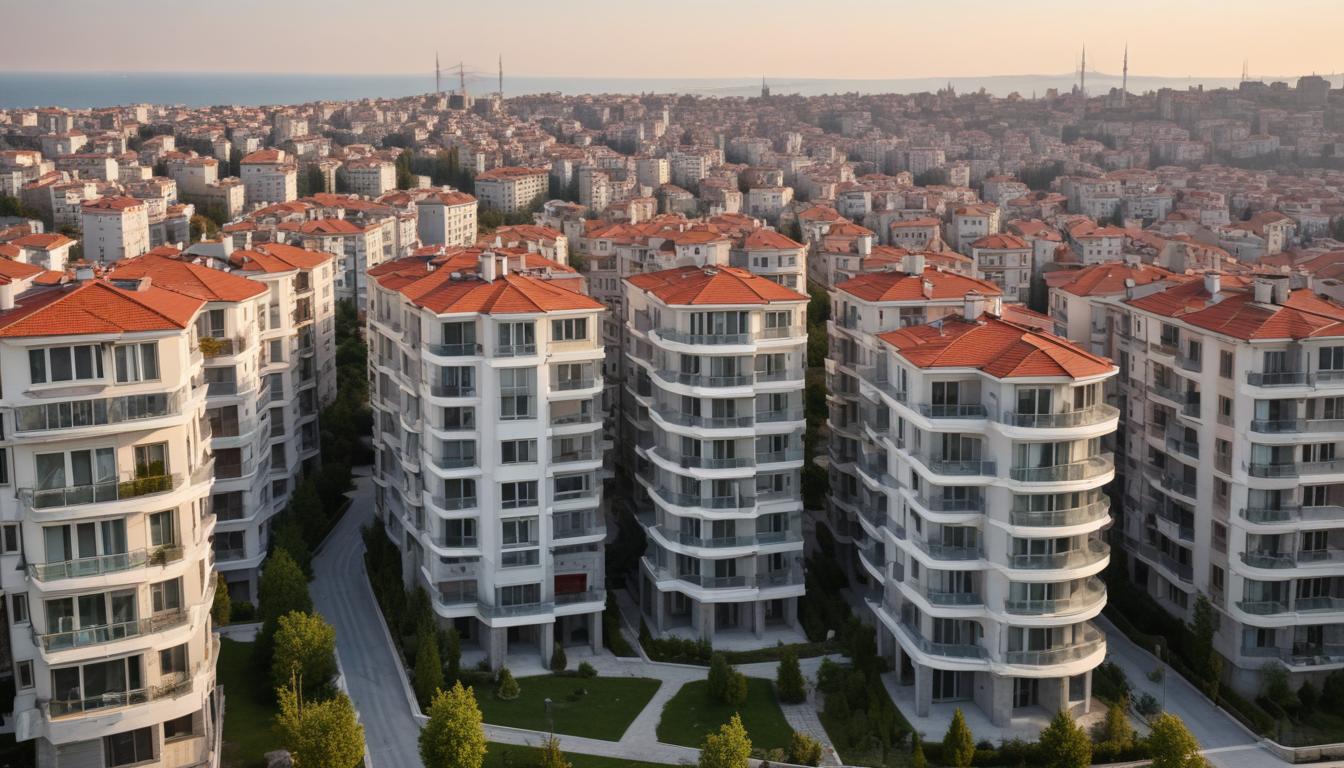
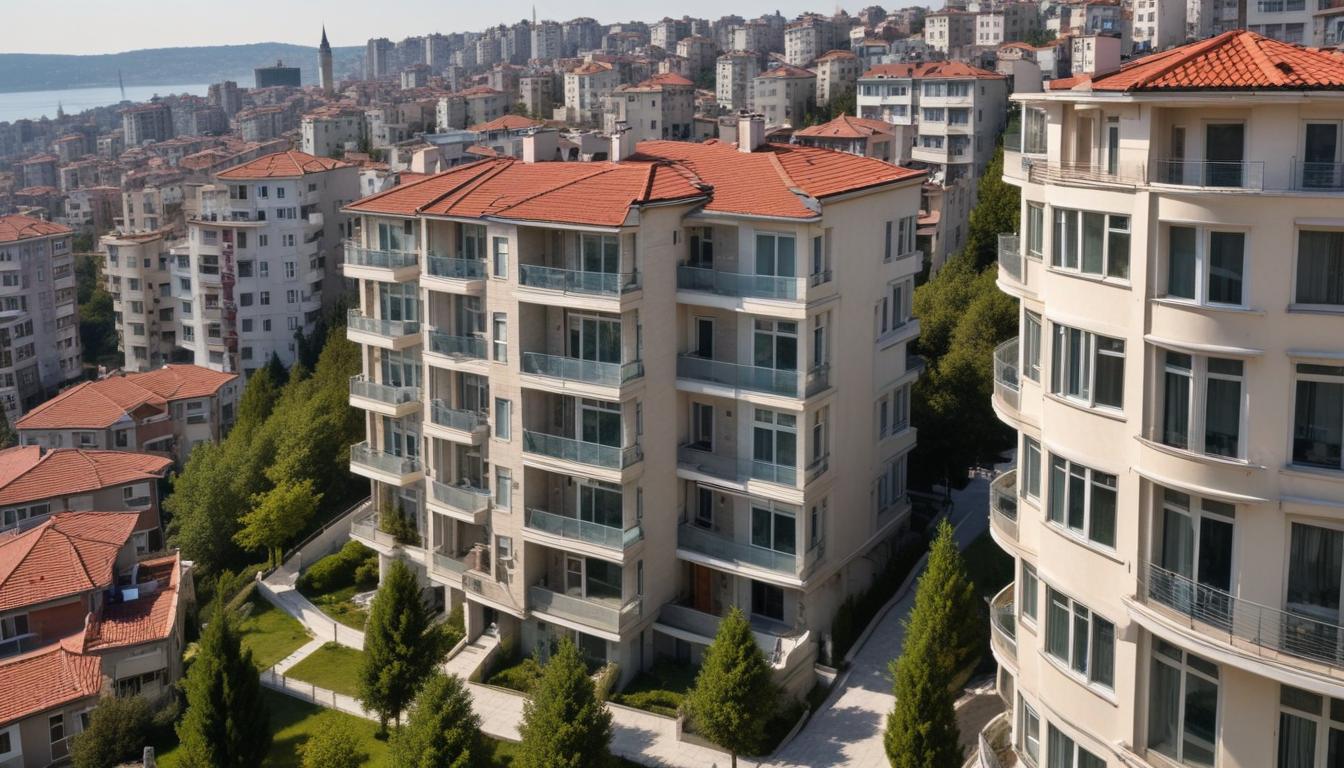
The most significant catalyst is the cluster of mid-rise developments emerging along Cumhuriyet Caddesi and branching into side streets near Osmanbey Metro station. These projects—ranging from 120 to 280 units each—are expected to add roughly 1,200 rental units to the broader Sisli-Mecidiyekoy corridor by Q4 2026. At average asking prices of $3,100–$3,600 per square metre for completed units, they occupy the upper-middle tier of Istanbul's market, positioning themselves between the hyper-premium Besiktas-Beyoglu strip (where $5,000+/sqm is routine) and the more affordable eastern shore alternatives in Kadikoy.
This supply injection carries real implications for tenant strategy. Historically, renters in Sisli faced limited choice and landlords with negotiating leverage. Early indicators suggest that posture is softening. Agents report that two-bedroom apartments in new buildings are now offered with furnished incentives or flexible lease terms—tactics rarely seen twelve months ago. Rents in these projects typically range from $2,200–$3,200 monthly for 100–130 sqm units, competitive with older stock but bundled with modern amenities: smart building systems, shared co-working areas, and parking included.
However, the supply boost is uneven geographically. While Sisli benefits, Besiktas and Beyoglu—where foreign citizenship-by-investment demand remains robust—continue to see tight availability and stable pricing. Kadikoy, the Asian shore's established anchor, is absorbing spillover demand from Sisli's price-conscious renters, creating minor upward pressure there.
For tenants evaluating moves now, timing matters. Leases signed in early 2026 often locked in premiums; those negotiating through late 2026 and into 2027 should encounter more elasticity. Prospective renters should monitor completion calendars—projects in Sisli typically phase occupancy over 4–6 months, meaning sustained vacancy windows rather than single-day saturation.
The rental market's traditional friction points—broker commissions, deposit disputes—remain unresolved. New developments occasionally soften these through developer-managed lettings, though independent tenancy advocacy bodies continue to urge formal regulatory clarification from Istanbul's municipal authorities.
This article was compiled by AI from the sources linked above and screened before publishing. See our editorial standards.