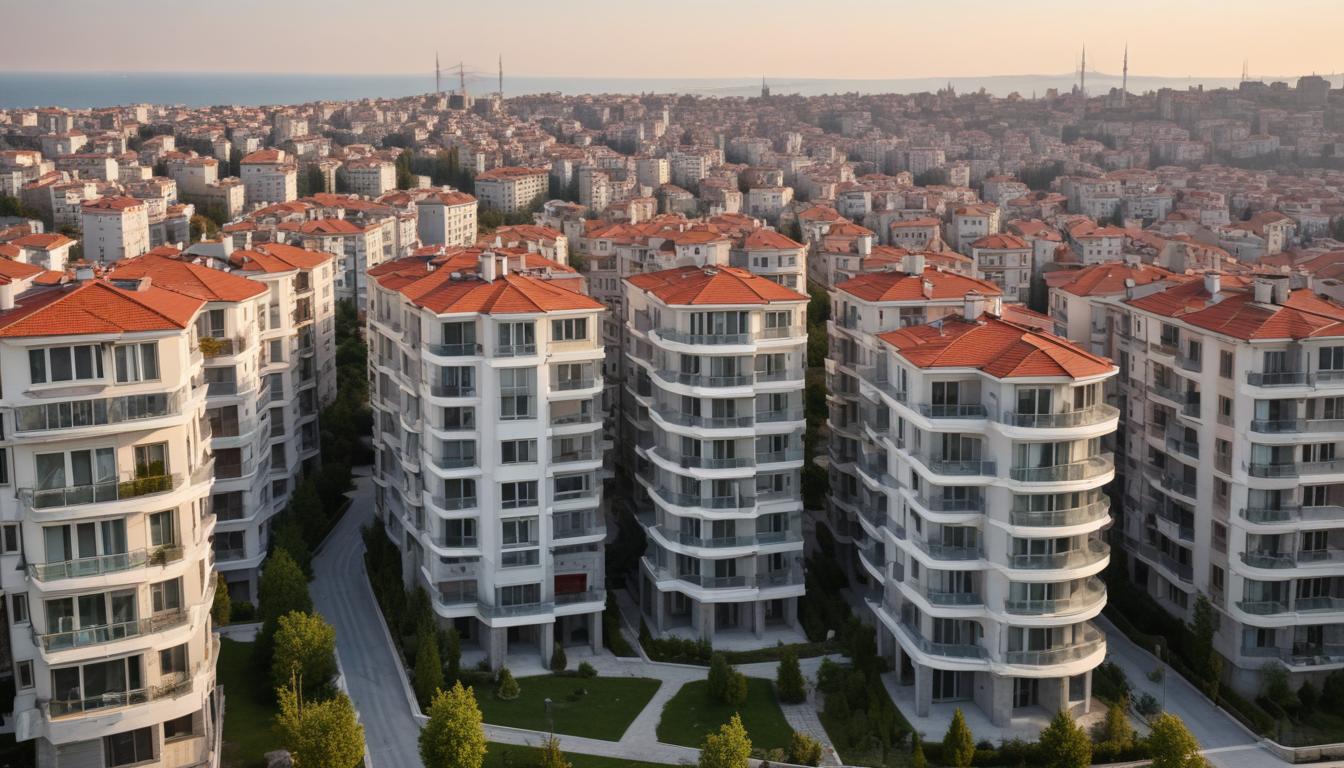
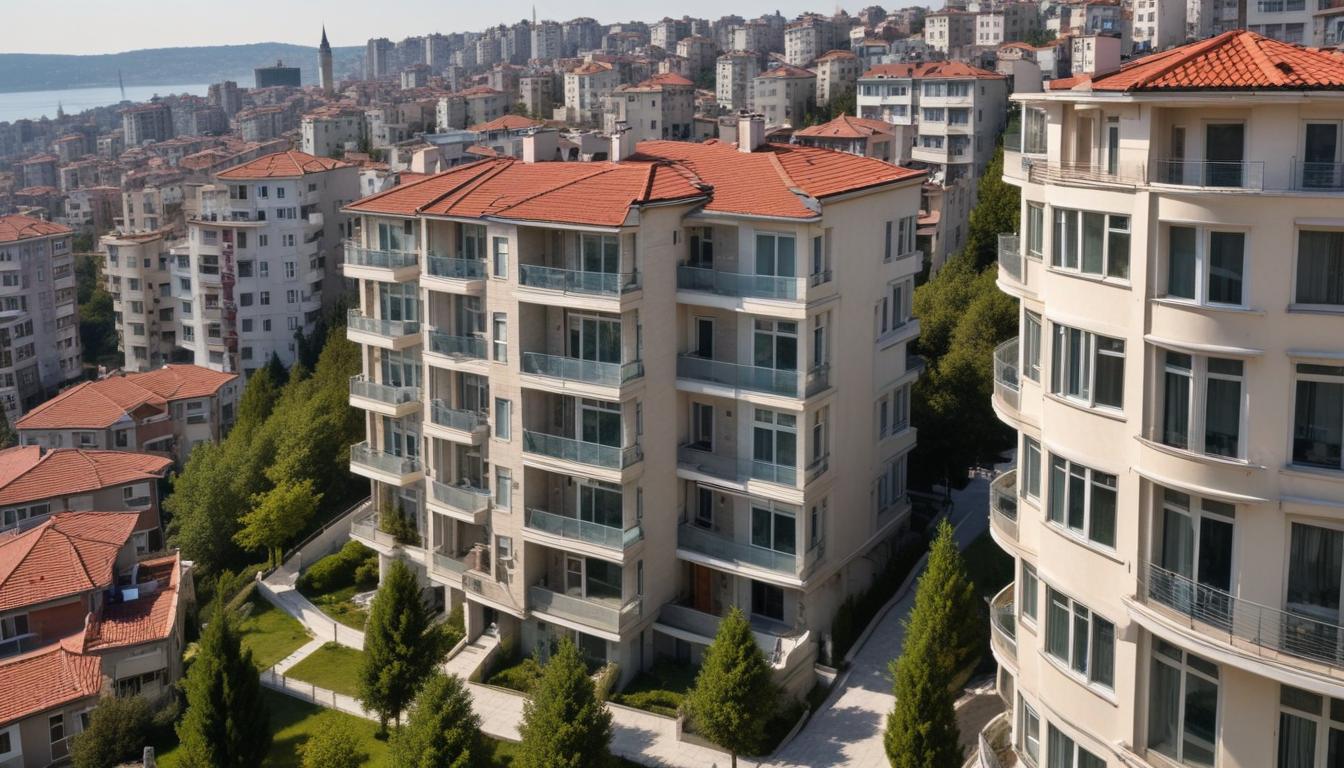
Istanbul's luxury property sector has entered a pivotal phase. While the city's average price point hovers around $2,500 per square metre, developments now underway in its most prestigious neighbourhoods are commanding $8,000 to $12,000 per sqm—a ceiling that seemed unthinkable five years ago. The catalyst: a generation of architectural megaprojects designed to anchor Istanbul's claim as a global luxury destination.
Besiktaş remains the epicentre of this transformation. Waterfront developments along the Ortaköy shoreline and around Dolmabahçe are introducing architectural statements that integrate five-star hospitality, private marina facilities, and ultra-high-net-worth residential units. These aren't incremental additions; they're neighbourhood redefinitions. The influx of citizenship-by-investment capital—driven by Turkey's real estate purchase pathway for foreign nationals—has turbo-charged demand. Projects that would have stalled a decade ago now attract international equity partners and Gulf-based family offices.
Sisli, meanwhile, has evolved from a secondary choice into a serious contender for prestige-tier buyers. New developments near Osmanbey and around the Nisantasi commercial corridor are capturing the overspill from saturated Besiktaş inventory. These projects emphasise contemporary design and tech-integrated living—a strategic pivot that appeals to younger ultra-high-net-worth individuals who value smart-home infrastructure and proximity to business districts as much as waterfront vistas.
On the Asian side, Kadikoy's property Renaissance extends into new ultra-luxury projects that position themselves as cultural anchors rather than mere residential towers. Developments near Bagdat Caddesi are leveraging the neighbourhood's bohemian cachet while introducing amenities—private art galleries, rooftop wine bars, private cinema suites—that blur the line between residence and lifestyle brand.
The implications are multifaceted. First, supply is finally matching demand in the ultra-premium tier, which may temper price acceleration after years of meteoric growth. Second, these megaprojects are catalysts for supporting infrastructure: roads, metro extensions, hospitality upgrades. Third, they're reshaping neighbourhood identity—sometimes cementing prestige, sometimes triggering concerns about gentrification and local displacement.
For investors, the message is clear: Istanbul's luxury market has matured beyond boutique appeal. It's now a global asset class. Projects with international architectural pedigree, transparent ownership structures, and integrated lifestyle amenities are commanding premium premiums. The question isn't whether these developments will succeed, but how quickly they'll reshape the city's entire property hierarchy in their image.
This article was compiled by AI from the sources linked above and screened before publishing. See our editorial standards.