Istanbul's Property Records Are Full of Duplicate Images — and Residents Are Paying the Price
A quiet data problem in Turkey's land registry system is causing real headaches for homeowners, renters, and earthquake-risk surveyors across the city.
A quiet data problem in Turkey's land registry system is causing real headaches for homeowners, renters, and earthquake-risk surveyors across the city.
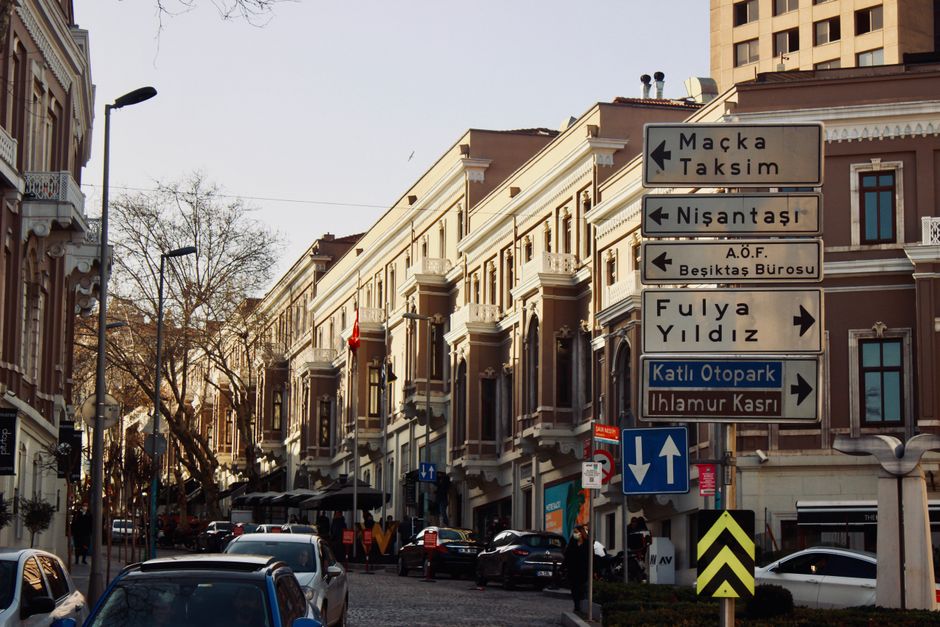
Thousands of property files held by Istanbul's land registry offices contain duplicate, mismatched, or replaced cadastral images — and the error is no longer just a bureaucratic nuisance. For residents trying to sell apartments, access earthquake-risk grants, or prove legal ownership of buildings in high-risk districts, the problem has become an expensive obstacle with no quick fix in sight.
The issue centres on Turkey's TAKBIS system — the national land registry and cadastre database administered by the General Directorate of Land Registry and Cadastre, known by its Turkish acronym TKGM. When property files were digitised and migrated into TAKBIS over successive years, image attachments — floor plans, cadastral maps, deed photographs — were in many cases duplicated across multiple parcels, attached to the wrong file, or overwritten entirely. The result is a registry record that looks complete on screen but carries the wrong visual documentation underneath.
Why does this matter right now? Two reasons collide in 2026. First, the Istanbul Metropolitan Municipality's ongoing Urban Transformation Project — which identifies and demolishes earthquake-risk buildings under Law No. 6306 — requires clean, verified cadastral records before compensation packages or relocation support can be processed. Second, a Turkish government subsidy programme launched in early 2026 offers low-interest reconstruction loans to owners of pre-1999 buildings, a category that covers an estimated 40 percent of Istanbul's residential stock. Both streams of support depend on accurate registry documentation.
Residents in Fatih, Bağcılar, and Esenyurt — three districts that earthquake-risk modelling has repeatedly flagged as among the city's most vulnerable — report delays of three to six months at local TKGM offices while staff manually verify records that the database cannot automatically confirm. The Fatih land registry office on Fevzi Paşa Caddesi has seen queues form before opening hours on weekdays, according to observations by Daily Istanbul reporters at the site in late June 2026.
The problem also surfaces at the Kadıköy district office, where apartment owners on the Asian side attempting to register sales have found that image files attached to their title deeds belong to entirely different parcels in Sultanbeyli or Pendik. Notaries in the Moda and Fenerbahçe neighbourhoods say the confusion adds legal review costs of between 2,500 and 4,000 Turkish lira per transaction — a meaningful sum when lira inflation kept consumer prices rising at an annual rate above 40 percent through the first quarter of 2026, according to the Turkish Statistical Institute's March 2026 index release.
The Syrian refugee community, concentrated in districts like Bağcılar and Esenyurt, faces a compounded difficulty. Many families who moved from rental to ownership arrangements in recent years hold informal or partially registered documentation. When official registry images do not match their deeds, applications to community integration housing programs administered through the Presidency of Migration Management stall at the first verification step.
TKGM has an online correction request portal at tkgm.gov.tr, but applicants report the process requires certified paper backups of original deed photographs, which many older Istanbul families no longer hold. The Istanbul Bar Association's free legal aid clinics — operating out of the Çağlayan courthouse complex in Şişli — have added a property documentation desk specifically to help residents compile the required materials.
For homeowners whose records are affected, the most practical immediate step is to request a full parcel inquiry — a tapu sorgulama — through the e-Devlet government portal and cross-check the image attachments against any physical deed documentation held at home. Discrepancies should be reported in writing to the relevant district land registry office, with a copy retained by the applicant.
Urban transformation deadlines under the municipality's current phase of Law No. 6306 work run through the end of 2026. Residents in risk-listed buildings who cannot get registry records corrected in time risk losing their place in the current compensation queue and being rolled into a later cycle — a delay that, in Istanbul's earthquake geography, carries consequences far beyond paperwork.
How does this story make you feel?
Spread the word
About this article
Published by The Daily Istanbul
Daily brief
Free, in your inbox before 7am. Weekdays.
More in News