Istanbul Residents Demand Answers After Official Photos Are Replaced Without Notice
From Beyoğlu permit boards to Kadıköy municipal announcements, community members say unexplained image swaps are eroding trust in local government communications.
From Beyoğlu permit boards to Kadıköy municipal announcements, community members say unexplained image swaps are eroding trust in local government communications.
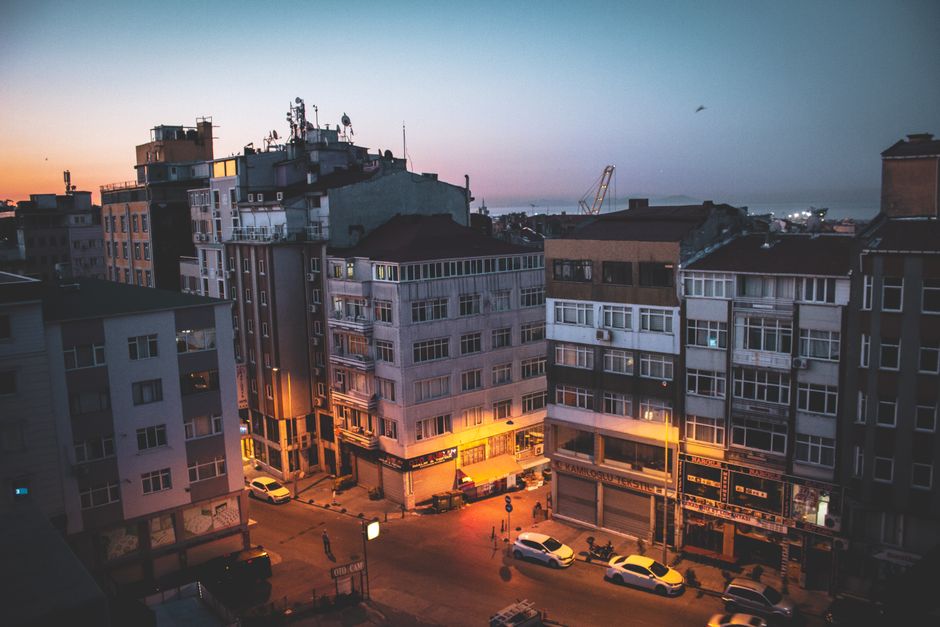
Something changed on the notice board outside the Beyoğlu District Directorate on Tarlabaşı Bulvarı sometime in late June — and the residents who spotted the difference are still waiting for an explanation. Official project images depicting a proposed pedestrian scheme near Taksim Square had been quietly replaced with revised renders showing a substantially different layout, with no public announcement, no dated revision notice, and no acknowledgment that the originals had ever existed.
The episode is not isolated. Across Istanbul, community groups and urban watchdogs say they have documented multiple instances in recent months of official images — used in planning consultations, municipal web portals, and physical notice boards — being substituted without formal notification to the public. The practice has become a flashpoint in a city where trust between residents and government institutions is already strained by years of high-profile infrastructure disputes, the ongoing fallout from the 2023 Kahramanmaraş earthquake, and a cost-of-living squeeze that has made Istanbulites acutely sensitive to decisions made over their heads.
In Kadıköy, members of the Moda Mahallesi Dayanışma platform — a neighbourhood solidarity group active since 2019 — say they began keeping screenshots of official project visuals after noticing discrepancies between images presented at a community meeting in March and those later posted on the Istanbul Metropolitan Municipality's online planning portal. The group meets weekly at a community space near Moda Caddesi and has built an informal archive of before-and-after comparisons running to more than 40 documented cases across six districts since January 2026.
In Üsküdar, a similar concern has emerged around the redevelopment consultation for the Salacak waterfront. Residents who attended a public information session at the Üsküdar Cultural Centre in April say the visualisations shown on the day no longer match the images currently displayed on the project's official web page. No change log or revision date is visible on the page. The Istanbul Metropolitan Municipality had not responded to a request for comment by the time this article was filed.
Tarık Bey, a retired civil engineer who lives near Bağlarbaşı in Üsküdar and has been following the Salacak file closely, says the core problem is not aesthetics but accountability. He describes the image replacements as a form of retroactive revision that makes it impossible for citizens to hold authorities to commitments made during consultation phases. He has filed a formal information request under Turkey's Right to Information Law — Law No. 4982, in force since 2003 — but says he has yet to receive a substantive response after more than six weeks.
Turkey's existing planning legislation requires municipalities to publish notices when material changes are made to approved project documents, but legal observers note the rules are less explicit about visual materials such as renders and concept images, which often accompany — but are not formally part of — the statutory planning record. That ambiguity gives authorities room to update images without triggering a formal revision process, even when the changes are substantive enough to alter public understanding of what is being proposed.
Urban planning academics at Istanbul Technical University's Faculty of Architecture have been researching digital transparency in municipal communications since 2024, and their preliminary findings, shared at a public seminar in Şişli in May, suggest that image replacement without notice is more widespread in Turkish municipalities than previously documented. No formal report had been published as of the date of this article.
For residents navigating an environment of rising rents — average monthly rents in Kadıköy crossed 35,000 lira for a standard two-bedroom flat in early 2026, according to Endeksa property data — and persistent anxieties about earthquake-risk building stocks, the visual record of what is planned for their neighbourhoods carries real stakes. Activists are now calling on the İBB to adopt a formal image versioning policy, similar to document revision standards already used in the municipality's own engineering procurement processes, and to apply it retrospectively to all active consultation files. Whether the municipality will act before more images quietly change is the question residents on Tarlabaşı Bulvarı and Moda Caddesi are now asking out loud.
How does this story make you feel?
Spread the word
About this article
Published by The Daily Istanbul
Daily brief
Free, in your inbox before 7am. Weekdays.
More in News