news
Istanbul Scammers Use Fake Listings, Driving Up Rental Costs for Thousands
Duplicate and manipulated images flooding Istanbul's rental platforms are misleading thousands of residents and driving up the cost of finding a home in an already punishing market.
How we reported this
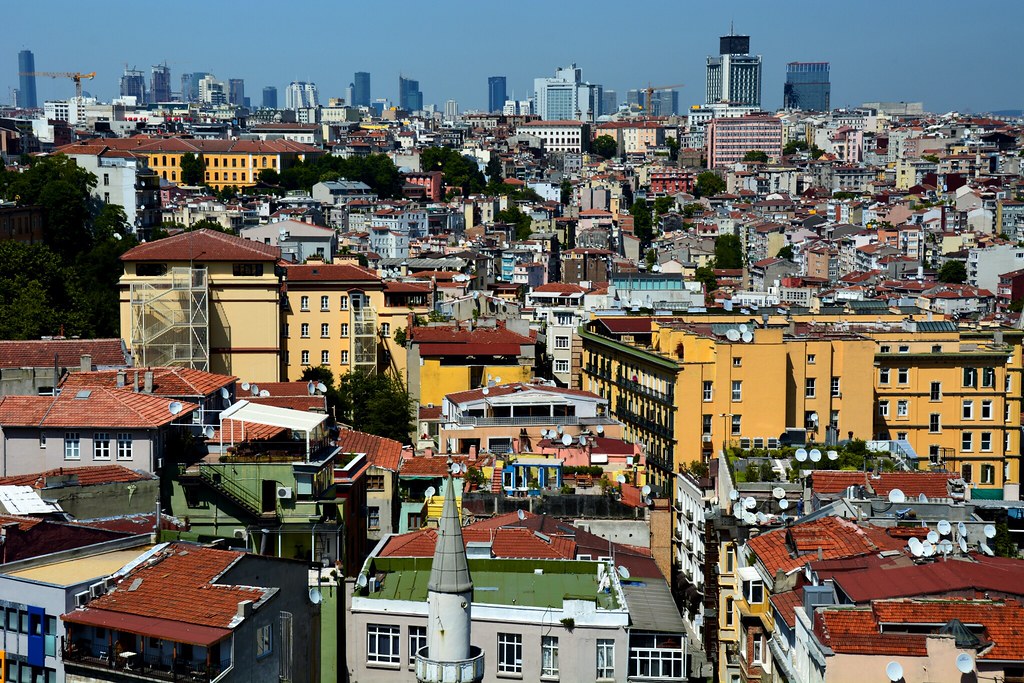
A flat in Kadıköy listed at 18,000 lira a month. The same photographs appear three days later on a second platform, this time advertising a property in Beşiktaş at 22,000 lira. Neither listing is genuine. This is the duplicate image problem eating into Istanbul's rental market, and housing advocates say it is no longer a fringe irritant, it is a structural crisis affecting ordinary families trying to find a home.
The timing is brutal. Istanbul's rental market has been under extreme pressure since the Central Bank of the Republic of Turkey began its long cycle of rate adjustments following the 2021-2022 lira collapse. Average rents in central districts have roughly tripled since early 2022 by most local real estate estimates, pushing working households toward the city's outer boroughs. Into that squeeze, fraudulent and duplicated listings act as a multiplier, wasting scarce time and money, and in some cases extracting deposits that never come back.
How Duplicate Listings Work, and Who Gets Hurt
The mechanics are straightforward. An agent or fraudster scrapes legitimate listing photographs from one site and reposts them, sometimes altering the address, sometimes not. Prospective tenants call the number, are told to pay a viewing fee or a holding deposit, often between 1,000 and 3,000 lira, and then the contact disappears. The property either does not exist as described or was already rented weeks earlier.
Sahibinden.com and Emlakjet, the two dominant property platforms operating in Turkey, both carry community reporting tools that allow users to flag suspicious posts. But residents and tenant groups in neighbourhoods like Bağcılar and Esenler, where lower-income families concentrate, say the volume of fraudulent posts outpaces the moderation. The Istanbul Consumer Protection Association, which operates an advice office near Eminönü, logged a significant increase in real estate complaints through 2025, according to its publicly available annual summary, with misleading imagery among the most common grievances cited.
The problem cuts across income levels but lands hardest on Syrian refugee families and recent internal migrants from earthquake-affected provinces, communities with fewer contacts, less familiarity with Turkish platform norms, and in some cases a language barrier that makes spotting inconsistencies harder. An estimated 500,000 Syrian nationals were registered as living in Istanbul as of 2024 figures from the Directorate General of Migration Management, many concentrated in Bağcılar, Esenyurt, and Fatih. These are also districts where duplicate listing complaints cluster.
What Residents and Institutions Are Doing About It
The Istanbul Metropolitan Municipality, under Mayor Ekrem İmamoğlu's administration, launched a digital tenant information portal in late 2024 as part of a broader social housing initiative. The portal, accessible via the IBB website, advises residents how to cross-check listing images using reverse image search tools, a basic but effective defence. Printed guides in Arabic and Turkish were distributed through Halkevleri branches in Esenyurt and Sultangazi last winter.
On the regulatory side, Turkey's Information Technologies and Communication Authority (BTK) has the power to compel platforms to remove fraudulent content, but enforcement against duplicate image fraud specifically has been inconsistent. Real estate professionals are licensed through the relevant chamber system, yet individual bad actors listing without credentials remain a gap that neither the BTK nor the Istanbul Chamber of Commerce has fully closed.
For residents navigating this market right now, the practical steps are not complicated but require discipline. Before paying any fee, viewing, holding, or otherwise, check the listing photographs through Google Images or TinEye. Insist on verifying the landlord's title deed, the tapu, before transferring any money. Meet inside the actual property, not at a café or on the street. And report duplicate listings directly to the platform using the in-app flag tool; both Sahibinden and Emlakjet are required under BTK guidelines to respond within 48 hours.
The deeper fix requires platform-level image hashing, technology that automatically detects when the same photograph appears in multiple listings, and stronger coordination between the BTK and municipal consumer protection offices. Until that infrastructure is in place, Istanbul's renters are doing the verification work themselves, one reverse image search at a time.