news
Istanbul Museums Race to Restore Thousands of Corrupted Heritage Images Before UNESCO Deadline
A coordinated effort across city museums, municipal databases and university libraries is targeting a backlog of duplicate and degraded photographs before a UNESCO review deadline next month.
How we reported this
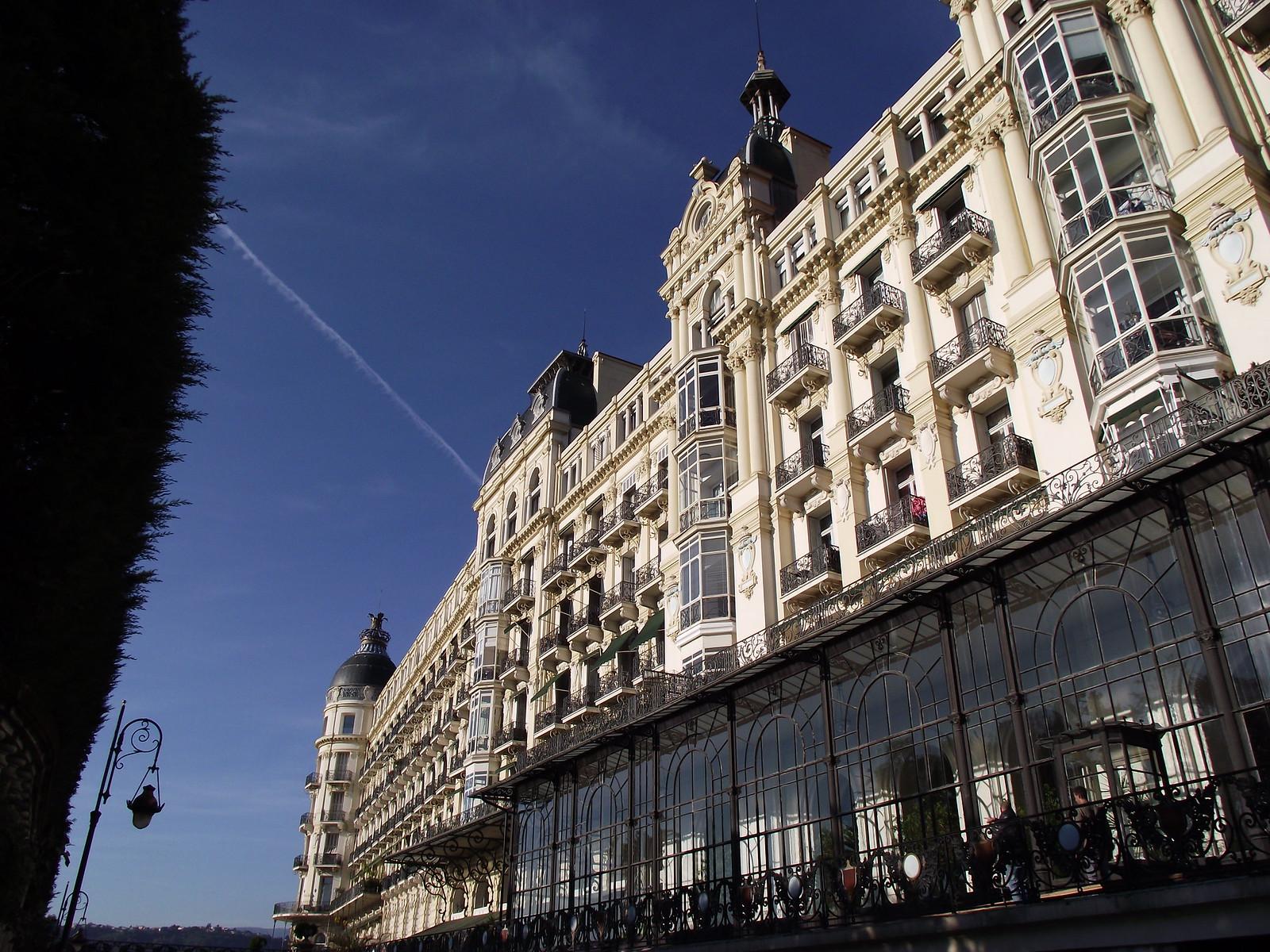
Istanbul's cultural memory has a technical problem. Thousands of digitised photographs held across the city's public archive network, including images of Ottoman-era Süleymaniye Mosque, the Grand Bazaar's original merchant halls and pre-1950s Karaköy waterfront, have been flagged as either corrupted, misduplicated or rendered unusable by compression errors, according to work now underway at the Istanbul Metropolitan Municipality's Digital Heritage Unit this week.
The push matters right now because of timing. UNESCO's periodic review of Istanbul's World Heritage Site status, which covers the Historic Areas of Istanbul inscribed since 1985, requires updated, high-resolution photographic documentation submitted by August 15. Archivists working out of the municipality's Fatih district offices confirmed the unit began a systematic duplicate-image replacement programme on June 30, with roughly 14,000 files already processed out of an estimated backlog exceeding 60,000 images.
What Went Wrong, and Where
The root of the problem traces back to a 2023 server migration carried out after the February Kahramanmaraş earthquakes prompted the municipality to accelerate digitisation of physical records deemed at seismic risk. During that migration, an automated syncing error created cascading duplicate entries across multiple archive nodes. The result: tens of thousands of image slots in the public catalogue show either blank thumbnails, repeated low-resolution placeholders or mismatched metadata linking, say, a photograph of Topkapı Palace's Harem courtyard to a file that actually contains an image of Balat's coloured row houses.
Istanbul University's Rare Works Library in Beyazıt, which operates a parallel digitisation project covering Ottoman manuscript illustrations, identified the same compression artefact in roughly 800 files it had shared with the municipal system under a 2024 data-sharing agreement. Staff there spent the first three days of this week manually verifying source scans against the corrupted digital versions. The library's collection includes irreplaceable hand-drawn maps of the Bosphorus coastline dating to the 18th century.
SALT Research, the archival and research institution based in Galata, has also been drawn into the remediation effort. SALT holds one of the largest photographic collections documenting Istanbul's urban transformation through the 20th century, including construction-era images of the Boğaz köprüsü and the demolition of historic Beyoğlu buildings in the 1950s and 1960s. This week, SALT's digitisation team made available a set of 3,200 high-resolution original scans to help replace the most critically corrupted municipal files.
The Numbers Behind the Backlog
Replacing a single batch of 1,000 images, when done properly, with metadata verification, colour calibration and format standardisation to TIFF archival standard, takes a trained technician approximately 40 working hours using current tools, according to published benchmarks from the European Commission's Europeana digitisation guidelines. At the municipality's current staffing level for the project, the full 60,000-file backlog would require well past the August 15 deadline to clear completely. The unit has reportedly brought in contract support from Boğaziçi University's Information Technologies Centre to accelerate processing.
The municipality's broader digitisation budget for 2026 was set at 47 million Turkish lira, a figure disclosed in the Metropolitan Municipality's published annual programme. Given current inflation pressures on technology procurement, the lira has lost substantial purchasing power against the euro since 2023, that figure buys considerably less server capacity and licensed software than it would have three years ago.
For researchers, historians and journalists who rely on the public portal, accessible through the IBB's online heritage catalogue, the practical advice right now is straightforward: treat any image downloaded before July 1 as potentially suspect. The municipality's Digital Heritage Unit has posted a notice on its portal advising users to re-download files after July 7, when the first verified batch of replacement images goes live. Anyone working on academic or press projects referencing historical Istanbul photographs should cross-check against SALT Research's independently maintained archive at its Galata reading room, which remains open Tuesday through Saturday.
The August 15 UNESCO submission date is fixed. Whether the full backlog is resolved by then or not, archivists say the crisis has exposed a structural gap: Istanbul's digitisation infrastructure was built for speed after the 2023 earthquake scare, not for the kind of redundancy and quality control that long-term cultural preservation demands.