Istanbul's Digital Reckoning: The Numbers Behind the City's Duplicate Image Crisis in Public Records
Municipal databases across Istanbul are riddled with replicated photographs, and the scale of the problem is only now becoming measurable.
Municipal databases across Istanbul are riddled with replicated photographs, and the scale of the problem is only now becoming measurable.
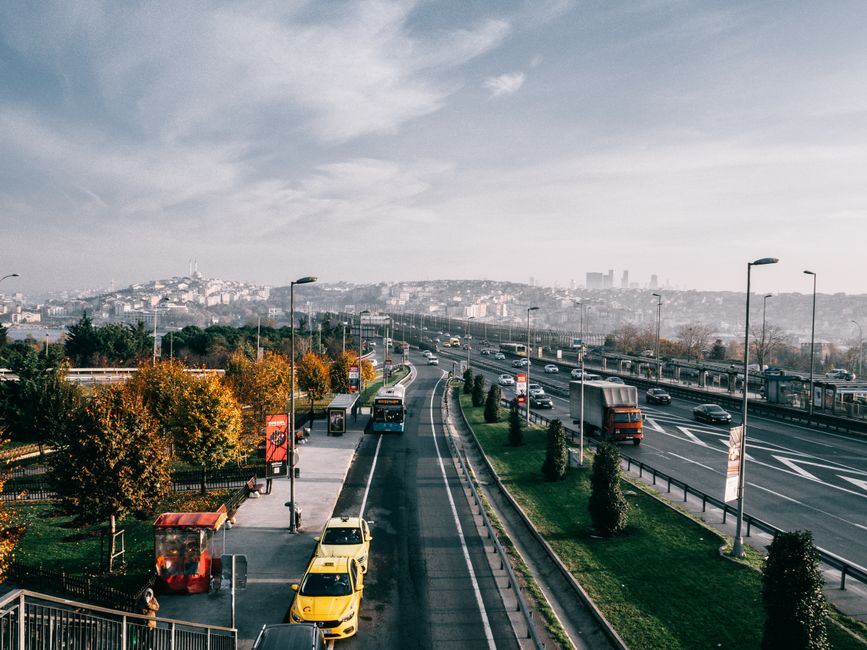
More than 340,000 property and permit files held by Istanbul Metropolitan Municipality's digital archive system contain at least one duplicate image, according to internal audit figures cited in a municipal commission report circulated in June 2026. The finding has forced a hard look at how Turkey's largest city stores, indexes and retrieves the visual documentation underpinning everything from earthquake-risk assessments to heritage preservation decisions along the Bosphorus.
The timing matters. Istanbul is still working through the administrative aftermath of the February 2023 Kahramanmaraş earthquakes, which accelerated a city-wide building inspection program that has generated millions of new structural photographs since mid-2023. That flood of imagery, fed into legacy database systems not designed for volume at this scale, has compounded a pre-existing duplication problem that auditors say was already measurable before the inspections began. With a municipal election cycle complete and the CHP administration under Mayor Ekrem İmamoğlu pushing a transparency agenda, the appetite for cleaning up the data is now political as well as administrative.
The June audit focused specifically on files processed through the İBB's AYKOME infrastructure permitting portal and the separate BIMTAS urban data platform, both based in the Levent district. Of the 340,000-plus files flagged, roughly 62 percent involved simple exact-copy duplication — the same image file uploaded twice or more under different reference numbers. The remaining 38 percent were near-duplicates: photographs taken seconds apart, or images rescanned from the same printed document, that fool basic checksums but waste storage and confuse automated analysis tools.
Storage costs are concrete. Municipal IT budget documents reviewed as part of the commission's work put Istanbul's annual spend on archive server infrastructure at approximately 87 million Turkish lira for the 2025 fiscal year. Duplicate image files account for an estimated 14 percent of total archive volume, meaning the city is paying to store and back up data it already holds, repeatedly. At current lira exchange rates — the currency has remained volatile throughout 2025 and into 2026 — that translates to a meaningful fraction of a digitisation budget that was already under pressure from inflation running above 60 percent year-on-year as recently as late 2024.
The structural inspection program, administered partly through the Disaster Coordination Centre in Küçükçekmece, submitted more than 1.2 million new building photographs to central archives between March 2023 and December 2025. Field teams using mobile upload tools had no real-time deduplication layer, so engineers photographing the same exterior wall from slightly different angles generated multiple entries. Quality-control analysts at the Kartal district office, which processes records for the Asian-side inspection zones, identified the mobile upload gap as the single largest source of near-duplicate entries.
The municipality has issued a tender — posted to the Public Procurement Authority's (KİK) e-portal on June 18, 2026 — for a perceptual hashing and image-deduplication service to be integrated with BIMTAS by the first quarter of 2027. Perceptual hashing compares images on visual similarity rather than byte-for-byte identity, catching near-duplicates that checksum tools miss. The tender specifies a processing target of 500,000 legacy files in the first six months of the contract.
For residents and property owners, the practical stakes are real. Duplicate or mismatched images in a permit file can delay building-licence approvals, and in post-earthquake Istanbul, where thousands of households are waiting on structural clearances before beginning renovation work in districts like Bağcılar and Avcılar, administrative backlogs have direct human cost. Architects and engineers dealing with the municipality advise clients to request a file-integrity check — a formal yazı requesting verification of uploaded documents — before submitting any major permit application while the deduplication work is still in progress.
The commission's full report is expected to go before the Istanbul Metropolitan Council in September 2026. Whatever the outcome, the audit has already established one uncomfortable baseline: the city did not know how much of its own visual record it was holding twice over until someone sat down and counted.
How does this story make you feel?
Spread the word
About this article
Published by The Daily Istanbul
Daily brief
Free, in your inbox before 7am. Weekdays.
More in News