news
Istanbul Officials Crack Down on Surge of Fraudulent Property Listings
A surge in fraudulent property and tourism listings using stolen or manipulated images is drawing sharp warnings from city planners, real estate bodies and heritage advocates across Istanbul.
How we reported this
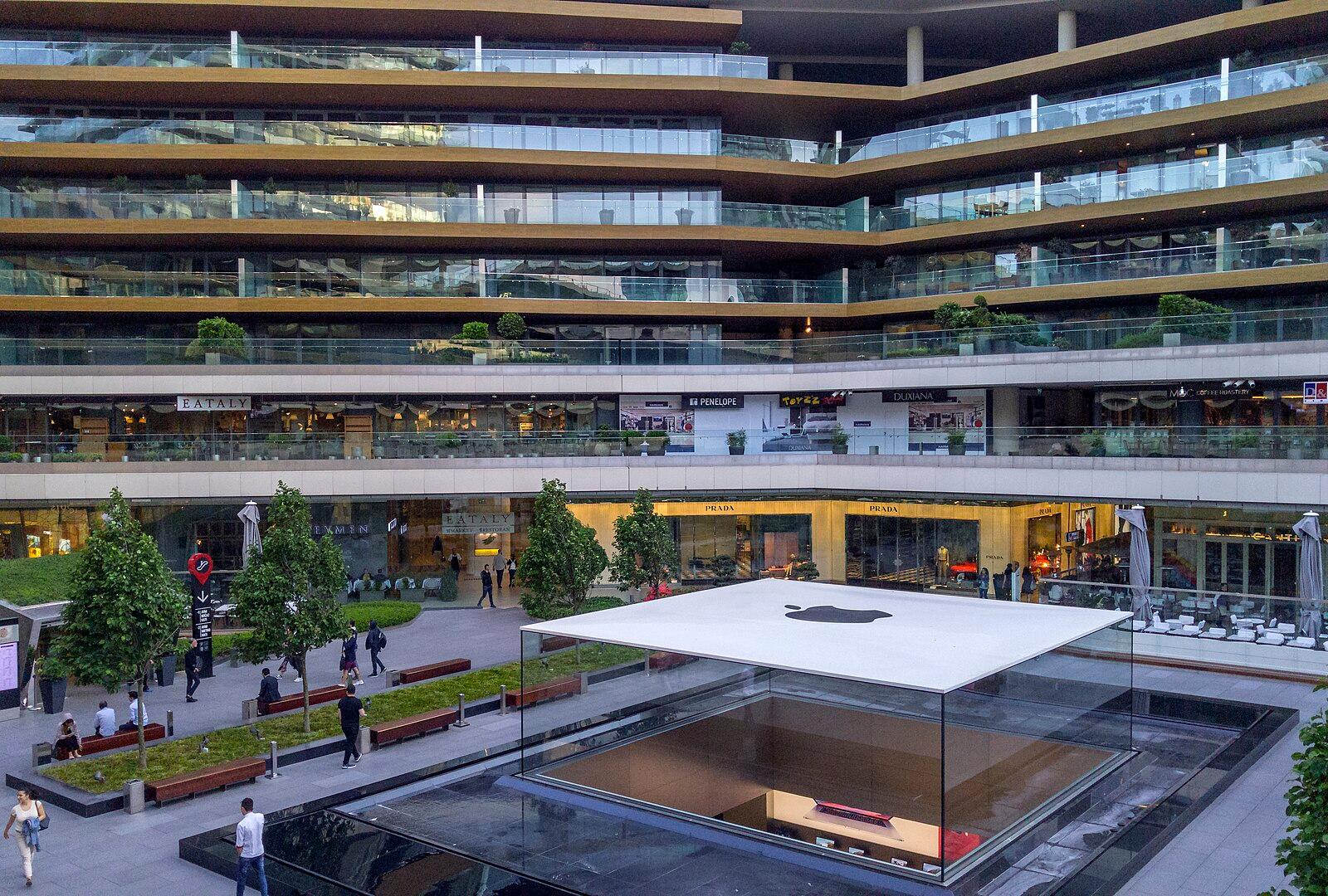
Counterfeit property photographs are flooding Istanbul's online rental and sales platforms at a scale that is now forcing a formal response from municipal authorities and professional bodies. The Istanbul Chamber of Real Estate Agents, known by its Turkish abbreviation IMSAD, confirmed this spring that complaints related to misleading or duplicated listing images rose sharply through the first half of 2026, putting pressure on regulators to act before the peak summer tourism and rental season hits its stride.
The issue sits at an awkward intersection of technology, consumer protection and Istanbul's overheated property market. Inflation-driven demand for short-term rentals along the Bosphorus and in historic neighbourhoods such as Sultanahmet and Beyoğlu has created fertile ground for listings that show one apartment but deliver another, sometimes a structurally compromised building in a high-seismic-risk district. That last point carries particular weight in Istanbul, where the memory of the February 2023 Kahramanmaraş earthquakes intensified scrutiny of building quality across the city.
Who Is Speaking Out, and What They Are Warning
Urban planning academics at Istanbul Technical University, located on the Maslak campus in Sarıyer, have been among the most vocal critics of the loophole. Researchers there have pointed out that duplicate image use is not merely a consumer fraud problem, it actively distorts urban data. When a listing for a building in Fatih appears alongside photographs lifted from a renovated property in Karaköy, municipal mapping systems used to track housing stock and seismic vulnerability can be fed inaccurate baseline information.
The Istanbul Metropolitan Municipality's digital services directorate has been working on an image-verification layer for its official housing portal, a project that has been in development since late 2024. The municipality has not yet announced a launch date publicly. Meanwhile, the Tourism Investors Association of Turkey, TÜROB, circulated an internal guidance note to its member hotels in May 2026 urging properties to register original photography with a timestamped digital archive as a defensive measure against third-party misuse of their images on aggregator platforms.
The problem is particularly acute on platforms operating in the Airbnb-style short-term rental segment. Turkey's short-term rental regulation, Law No. 7464, which took effect in January 2024, requires hosts to obtain a permit and display a registration number on listings, but the law contains no explicit image-authenticity requirement. Critics, including the Istanbul Bar Association's consumer rights committee, have argued publicly that this gap needs closing through secondary regulation.
The Evidence Accumulating on the Ground
A review of listings in the Cihangir and Galata neighbourhoods conducted by the real estate data platform Endeksa in early 2026 found that a measurable proportion of short-term rental photographs appeared to be recycled across multiple, geographically distinct properties, in some cases properties several kilometres apart. Endeksa has not published the full breakdown publicly, and the precise figures remain preliminary, but the finding has been cited in at least two separate submissions to the Housing Ministry in Ankara.
Property lawyers working out of offices on Büyükdere Caddesi in Levent say client inquiries about recourse after discovering image fraud have increased noticeably since late 2025. Under current Turkish Consumer Protection Law No. 6502, a renter who can demonstrate material misrepresentation has grounds for a refund claim, but enforcement against platform operators rather than individual hosts remains legally uncertain.
The practical advice from both the Istanbul Chamber of Real Estate Agents and independent consumer rights groups is consistent: before signing any rental or purchase agreement, request a video walkthrough matched to a live map coordinate, cross-check listing photographs against Google Street View for the stated address, and verify that any permit number displayed on a short-term rental listing appears on the official Ministry of Culture and Tourism registry. The registry is publicly searchable at the ministry's e-devlet portal. Anyone who believes they have encountered a fraudulent listing can file a complaint directly with the Consumer Arbitration Committees operating out of Istanbul's district governorship offices, the Beyoğlu and Kadıköy committees have both been active in processing digital-platform disputes this year.