news
Istanbul Renters Lose Thousands to Fake Property Photos Flooding Market
From Beyoğlu to Bağcılar, tenants say duplicate and doctored listing images are costing them money, time, and trust in an already punishing housing market.
How we reported this
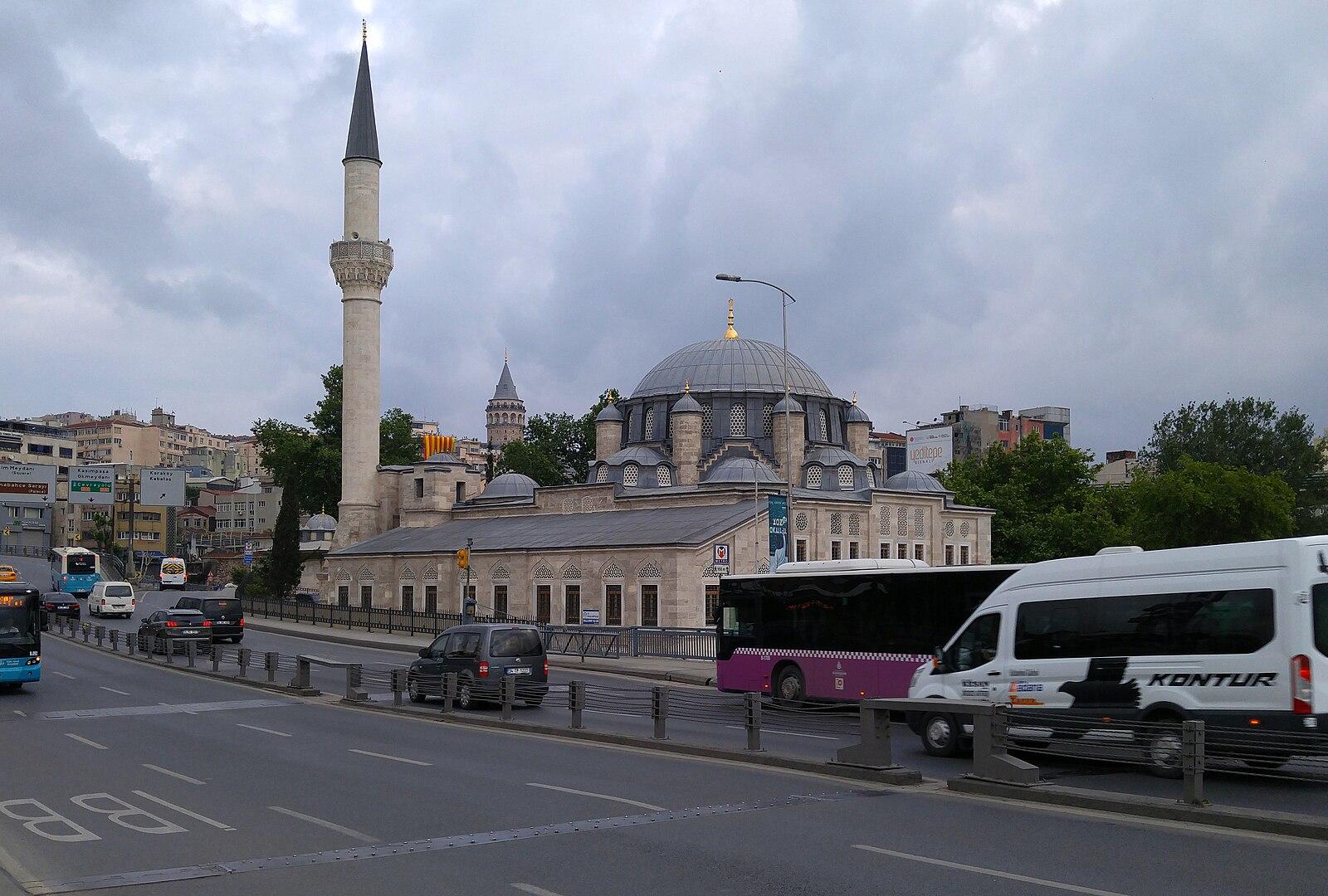
A retired schoolteacher from Fatih paid a 3,000-lira holding deposit on a Cihangir apartment she found on a popular listings platform last month, only to discover on moving day that the photographs belonged to a different flat three streets away on Akarsu Caddesi. The unit she had agreed to rent was smaller, darker, and missing the bay window that had clinched the deal. She is not alone.
Across Istanbul, a growing number of renters and buyers are reporting what housing advocates are calling the duplicate-image problem: landlords and unlicensed brokers recycling photographs, sometimes from sold properties, sometimes from foreign real-estate sites, sometimes lifted wholesale from rival listings, to misrepresent homes on the city's biggest portals. The issue has sharpened this summer as lira-denominated rents in central districts continue to rise sharply following years of high inflation, pushing families to make faster decisions on less information.
A Market Under Pressure
The timing matters. Turkey's official inflation rate, which peaked above 85 percent in late 2022 before a gradual decline, left many Istanbul households still absorbing rent hikes that compounded year on year. In neighbourhoods like Şişli and Kadıköy, median asking rents for a two-bedroom flat now sit well above 30,000 lira per month according to figures published this spring by Endeksa, a Turkish real-estate data firm. Prospective tenants, priced out of preferred areas, are increasingly searching in less familiar districts, Bağcılar, Sultangazi, Gaziosmanpaşa, where they have fewer personal contacts to verify a listing's accuracy before committing.
That vulnerability is precisely what some dishonest listers exploit. Staff at the Tüketici Hakları Derneği, the Consumer Rights Association, which operates an advice centre near Beşiktaş, say complaints involving misleading property images have risen noticeably since the start of 2025, though the organisation has not yet published a full annual breakdown. The complaints typically involve deposits lost after a gap between listed and actual conditions becomes apparent only at handover.
Residents in the Syrian community concentrated around Bağcılar and Esenyurt have described particular difficulty. Without established landlord references in Turkey, many rely entirely on online photographs when shortlisting properties. Community representatives at the Mülteci-Der support network in Küçükçekmece say they routinely advise new arrivals to insist on a video call tour before paying anything, precisely because image fraud has become an assumed risk rather than an exception.
What the Platforms Say, and What They Don't
Turkey's two dominant property portals, Sahibinden and Hepsiemlak, both carry terms of service prohibiting the reuse of images from other listings. Neither platform responded to interview requests from The Daily Istanbul before this edition's deadline. Independent checks on both sites this week found multiple active listings in the Tarlabaşı and Dolapdere areas of Beyoğlu where reverse-image searches returned identical photographs attached to different addresses and different landlord accounts.
A licensed real-estate agent working on İstiklal Caddesi's side streets, who asked not to be named because of ongoing business relationships with the portals, said the verification burden currently falls almost entirely on the renter. Platform algorithms flag duplicate images only when they appear within the same listing session, not when a photograph is re-uploaded by a different account weeks or months later.
The Istanbul Metropolitan Municipality's consumer protection directorate confirmed in a written statement published on its website in May that it had received a category of complaints related to misleading property advertisements, and said coordination with the national Consumer Protection Authority, TÜKETICI KORUMA, was ongoing. No enforcement figures were attached to that statement.
For renters navigating the market right now, housing advisers at the Kadıköy-based Kiracı Hakları Platformu recommend three steps before paying any deposit: a live video walkthrough dated the same day as the payment, a cross-check of listing photographs using Google Images or TinEye, and a clause in any preliminary agreement specifying that photographs form part of the contractual description of the property. If the flat delivered does not match, that clause gives the tenant written grounds to recover the deposit through consumer arbitration, a process that, while slow, has been free of charge for claims under a threshold revised to 18,000 lira at the start of 2026.