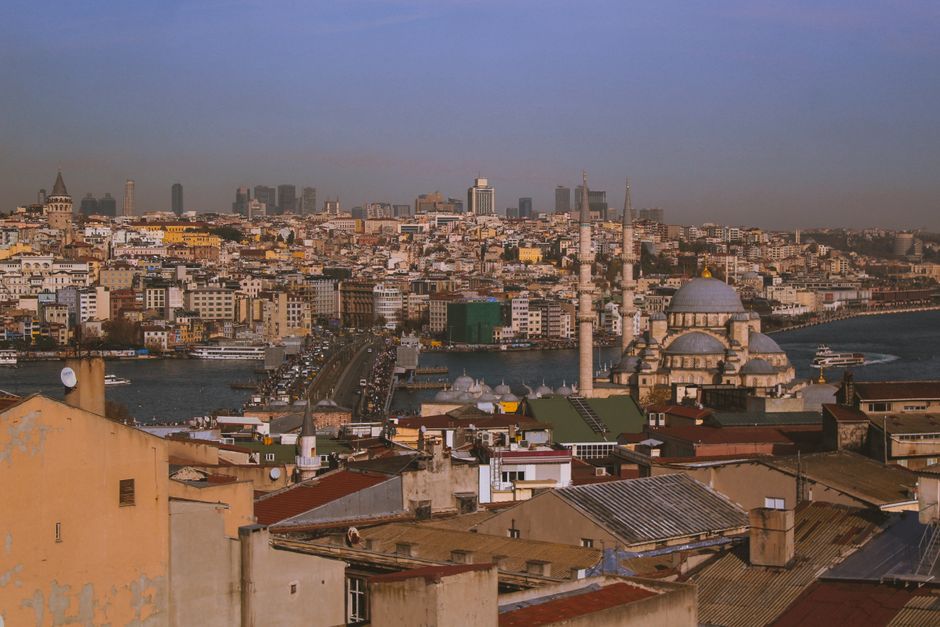
The Istanbul Metropolitan Municipality has announced that the Bosphorus development project will enter its next phase in September 2026, with a focus on revitalizing the waterfront areas of Karakoy and Galata. This move is expected to have significant implications for the city's residents, businesses, and tourists alike.
The Bosphorus development project has been a contentious issue in Istanbul for years, with many residents and conservation groups expressing concerns about the potential impact on the city's historic heritage and natural environment. The project aims to transform the Bosphorus waterfront into a vibrant public space, with new parks, promenades, and cultural attractions. However, critics argue that the project could lead to gentrification, displacement of long-time residents, and damage to the city's unique cultural identity.
In Istanbul's historic neighborhoods, such as Beyoglu and Sultanahmet, the impact of the Bosphorus development project is already being felt. The Istanbul Chamber of Commerce has reported that property prices in these areas have increased by up to 30% in the past year, making it difficult for small businesses and low-income residents to afford the rising costs. Meanwhile, organizations such as the Turkish Heritage Foundation and the Istanbul Branch of the Chamber of Architects are working to preserve the city's cultural heritage and ensure that the development project is carried out in a responsible and sustainable manner.
Key Statistics and Challenges Ahead
According to data from the Turkish Statistical Institute, the number of tourists visiting Istanbul has increased by 15% in the past year, with over 13 million visitors in 2025. However, the city's infrastructure is struggling to cope with the influx of tourists, with many areas experiencing overcrowding, traffic congestion, and strain on local resources. The Bosphorus development project aims to address some of these challenges, but it will require careful planning and management to ensure that the benefits are shared equitably among all stakeholders. For example, the project's budget of 10 billion Turkish lira will need to be allocated carefully, with a focus on prioritizing the needs of local residents and businesses.
As the Bosphorus development project moves forward, residents and visitors to Istanbul can expect to see significant changes to the city's waterfront areas. The Istanbul Metropolitan Municipality has announced plans to create new public spaces, including a 3-kilometer promenade along the Bosphorus, as well as a number of new cultural attractions, such as museums and art galleries. However, the success of the project will depend on the ability of the authorities to balance the needs of different stakeholders, including residents, businesses, and tourists. With the next phase of the project set to begin in September 2026, the coming months will be crucial in determining the future of Istanbul's Bosphorus waterfront.