news
Istanbul Restores Thousands of Corrupted Heritage Images After Years of Neglect
The city's push to replace thousands of duplicate and degraded digital images in its public records and heritage databases didn't happen overnight; it's the product of years of bureaucratic neglect, a damaging 2021 audit, and a slow-burning reform effort that is only now gaining traction.
How we reported this
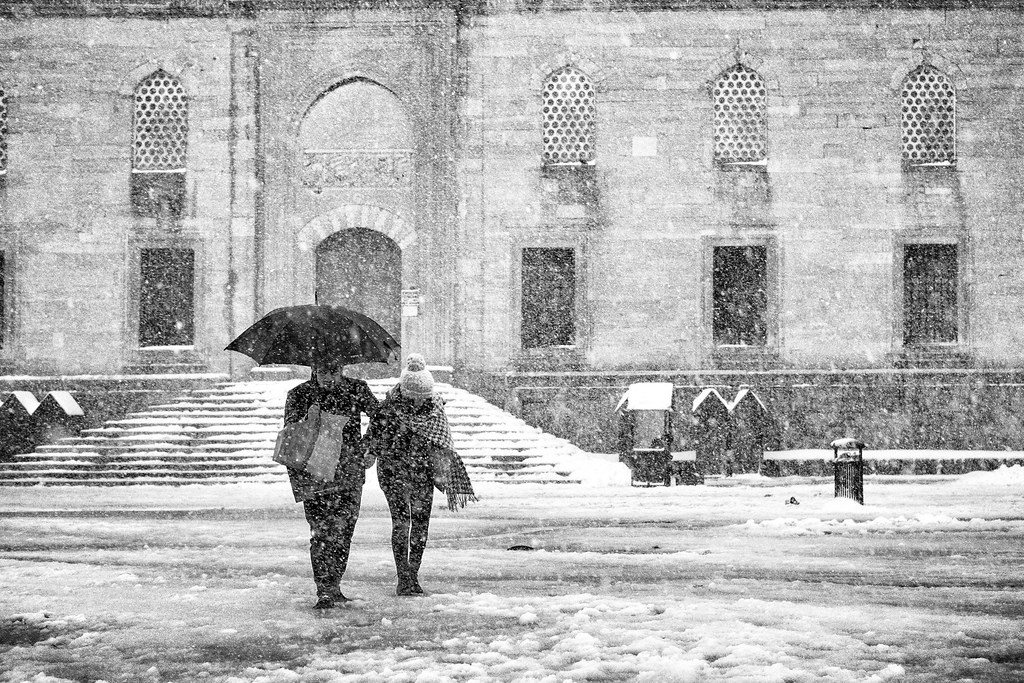
Istanbul's municipal digital archive, one of the largest civic image repositories in the eastern Mediterranean, is mid-way through a systematic overhaul that administrators say should have begun a decade ago. The immediate trigger was a 2021 internal audit by the Istanbul Metropolitan Municipality, the İBB, which found that a significant portion of the photographic records held across its planning, heritage, and tourism departments were either exact duplicates, near-identical variants, or scans so degraded they held no documentary value. The cleanup project, which gained formal budget approval in early 2024, is now operating across four municipal directorates simultaneously.
The stakes are higher than filing-room tidiness. Istanbul sits atop one of the world's most seismically active fault lines, and since the February 2023 Kahramanmaraş earthquakes killed more than 50,000 people across southern Turkey, the pressure to maintain accurate, retrievable building and infrastructure records has become an institutional priority rather than an administrative aspiration. Duplicate or corrupted image files can delay damage assessments, complicate insurance claims, and create legal confusion over heritage structures in districts like Fatih and Beyoğlu, two of the city's densest concentrations of pre-Republican-era buildings.
A Problem Years in the Making
The duplication problem built up gradually. The İBB's digital infrastructure expanded rapidly through the 2000s and early 2010s, with individual directorates, urban planning, cultural heritage, transportation, and tourism, all running separate image management systems that did not communicate with each other. When files were transferred between departments or migrated during server upgrades, copies multiplied without any deduplication step. By the time the 2021 audit was conducted, the archive held an estimated 4.2 million image files, a figure the audit found was inflated by redundancy rather than genuine documentary breadth.
The problem was particularly acute at the Istanbul Archaeological Museums complex in Sultanahmet, which manages photographic records for artefacts spread across three buildings and several off-site storage facilities in Kadıköy. Staff there had been flagging the issue internally since at least 2018, according to documents submitted to the İBB's culture directorate and later referenced in the 2021 audit report. The Atatürk Library in Taksim Square, the city's principal municipal reference library, which digitised roughly 300,000 historical photographs between 2015 and 2020, faced a parallel problem when its digitisation contractors delivered batches containing systematic duplicates tied to scanner reset errors.
What the Reform Actually Looks Like
The current remediation programme, operating under the İBB's Smart City and Digital Transformation directorate, is using a combination of perceptual hash comparison software and manual review panels to work through the backlog. The first phase, covering the urban planning and transportation directorates, was completed in March 2026. The second phase, tackling heritage and tourism records, is scheduled to finish by December 2026, with a budget allocation of approximately 18 million Turkish lira approved in the 2024-2026 digital infrastructure package.
The reform coincides with a broader political environment in which the İBB, run by CHP mayor Ekrem İmamoğlu's administration, has had strong incentives to demonstrate administrative competence against a backdrop of ongoing tension with the central AKP government in Ankara. Clean, legally defensible public records carry practical weight: as Istanbul continues to process building-safety reclassifications under the national urban transformation law, a process accelerated sharply after the 2023 earthquakes, disputed or unverifiable photographic evidence of pre-renovation structural conditions has already featured in compensation cases brought before Istanbul courts.
For residents and researchers, the practical upshot is gradual. The İBB's public-facing digital archive portal, accessible through the municipality's main web domain, is expected to relaunch with deduplication complete and a new metadata tagging system by the first quarter of 2027. Until then, researchers working with historical image records, particularly those documenting Bosphorus-front development sites or pre-1960s neighbourhoods in Balat and Zeyrek, are advised to cross-reference requests through both the Atatürk Library catalogue and the separate Istanbul Metropolitan Planning and Urban Design Centre, known as İMPLEM, which maintains its own independently managed image set in Levent.