news
Istanbul's Fake Property Photos Swindle Renters Out of Thousands Daily
Duplicate and AI-manipulated listing images are distorting Istanbul's already strained housing market, leaving tenants misled, overcharged, and scrambling for real shelter.
How we reported this
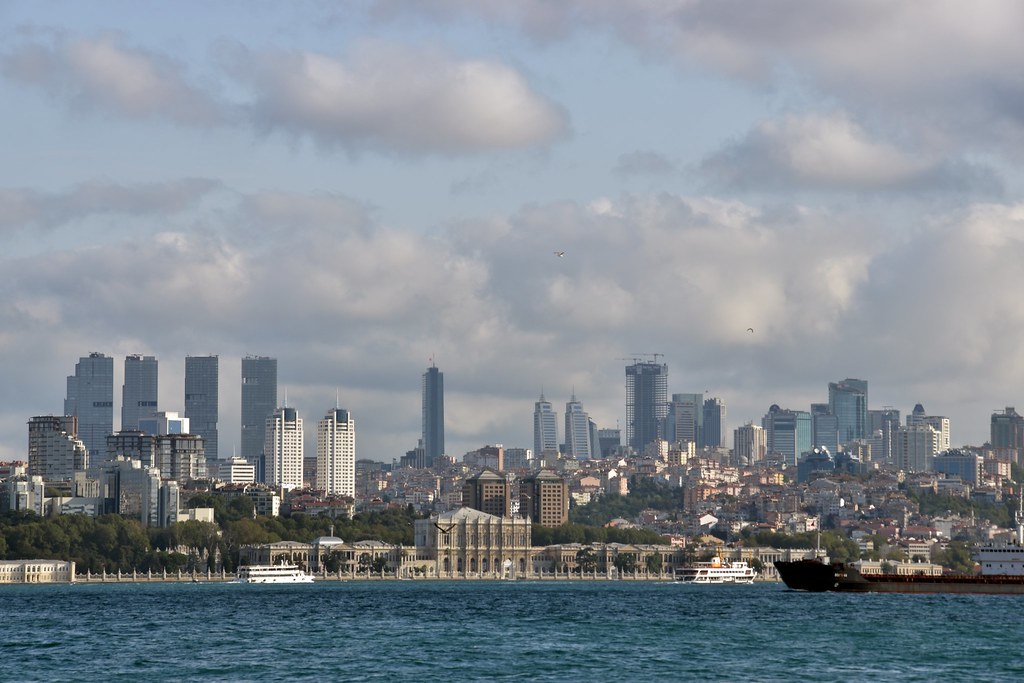
Istanbul's rental crisis has a new wrinkle. Duplicate and digitally altered property photographs, the same apartment interior reposted dozens of times across Sahibinden.com and Emlakjet, sometimes with walls repainted or furniture swapped out using basic editing software, are being used to advertise units that bear little resemblance to what tenants actually walk into. Housing advocacy groups in Beyoğlu and Kadıköy have been tracking the practice for months, and what they are finding is not a fringe problem.
The timing matters. Istanbul's rental market has been under extraordinary pressure since the Central Bank of the Republic of Turkey's inflation cycle peaked above 85 percent in late 2022 and structural housing shortages worsened. Average monthly rents in central districts like Şişli and Beşiktaş have more than tripled in three years. Desperate tenants, many of them searching remotely from other cities or from abroad, are making decisions based almost entirely on listing photographs. When those images are recycled from other properties, or manipulated to hide water damage, cracked walls, or cramped dimensions, the consequences are immediate and financial.
How the Scam Works on Istanbul's Streets
The mechanics are straightforward. A landlord or unlicensed broker lifts high-quality interior photographs from a premium listing in Nişantaşı or Cihangir, attaches them to a lower-grade unit in Gaziosmanpaşa or Bağcılar, and posts the combined listing at an inflated price. Prospective tenants, often Syrian refugee families integrating into new neighbourhoods, or young professionals relocating for work, sign contracts or pay deposits before visiting in person. By the time they arrive at the actual flat on Tarihi Yarımada's outskirts or in Ümraniye, the gap between image and reality can be stark. A deposit in Istanbul's current market commonly runs between 3,000 and 6,000 Turkish lira per square metre of monthly rent, meaning financial exposure accumulates quickly before anyone sees a real room.
The Consumer Protection Association of Turkey, operating under the framework of Law No. 6502, has a formal complaints mechanism for misleading commercial communications, but housing listings occupy a grey area, classified advertising platforms have historically argued they are intermediaries, not publishers. The Istanbul Bar Association's consumer rights unit, based in Çağlayan, has fielded a rising number of tenant complaints relating to misrepresented property listings over the past 18 months, according to publicly available summary reports on its website, though precise caseload figures have not been independently verified by this newspaper.
What Tenants Can Do Right Now
Reverse image search remains the most accessible defence. Running a listing photograph through Google Images or TinEye before paying any deposit takes under two minutes and can reveal whether the same image appears on a dozen other listings under different addresses. The Kadıköy-based tenant support initiative Kiracı Dayanışması, which operates out of a shared workspace on Moda Caddesi, has been running free Saturday workshops since March 2026 teaching exactly this technique, alongside guidance on verifying municipal property records through the Istanbul Metropolitan Municipality's e-devlet portal.
On the regulatory side, Turkey's Information Technologies and Communication Authority, known as BTK, has the statutory power under Law No. 5651 to require platforms to implement duplicate-image detection tools. Germany's Immobilienscout24 and the Netherlands' Funda both deployed automated hash-matching systems to flag duplicate listings by 2023, a precedent that housing campaigners in Istanbul are now citing in formal petitions to the Ministry of Trade. Whether those petitions result in mandated platform changes will depend heavily on the political appetite of a ministry that has largely prioritised broader e-commerce regulation over rental-specific safeguards.
For now, the practical advice is blunt: never pay a holding deposit without a video call showing the actual unit, never trust a listing whose photographs appear elsewhere under a different address, and always cross-check the tapu, the title deed, number on the Istanbul Land Registry's online system before signing anything. The tools to protect yourself exist. The regulation to force platforms to use them does not yet.