news
Istanbul Officials Combat AI-Generated Fake Images Flooding Property Listings
From Sultanahmet to Şişli, a surge in digitally duplicated and AI-generated photographs is distorting Istanbul's property listings, tourism platforms and heritage records, and authorities are starting to push back.
How we reported this
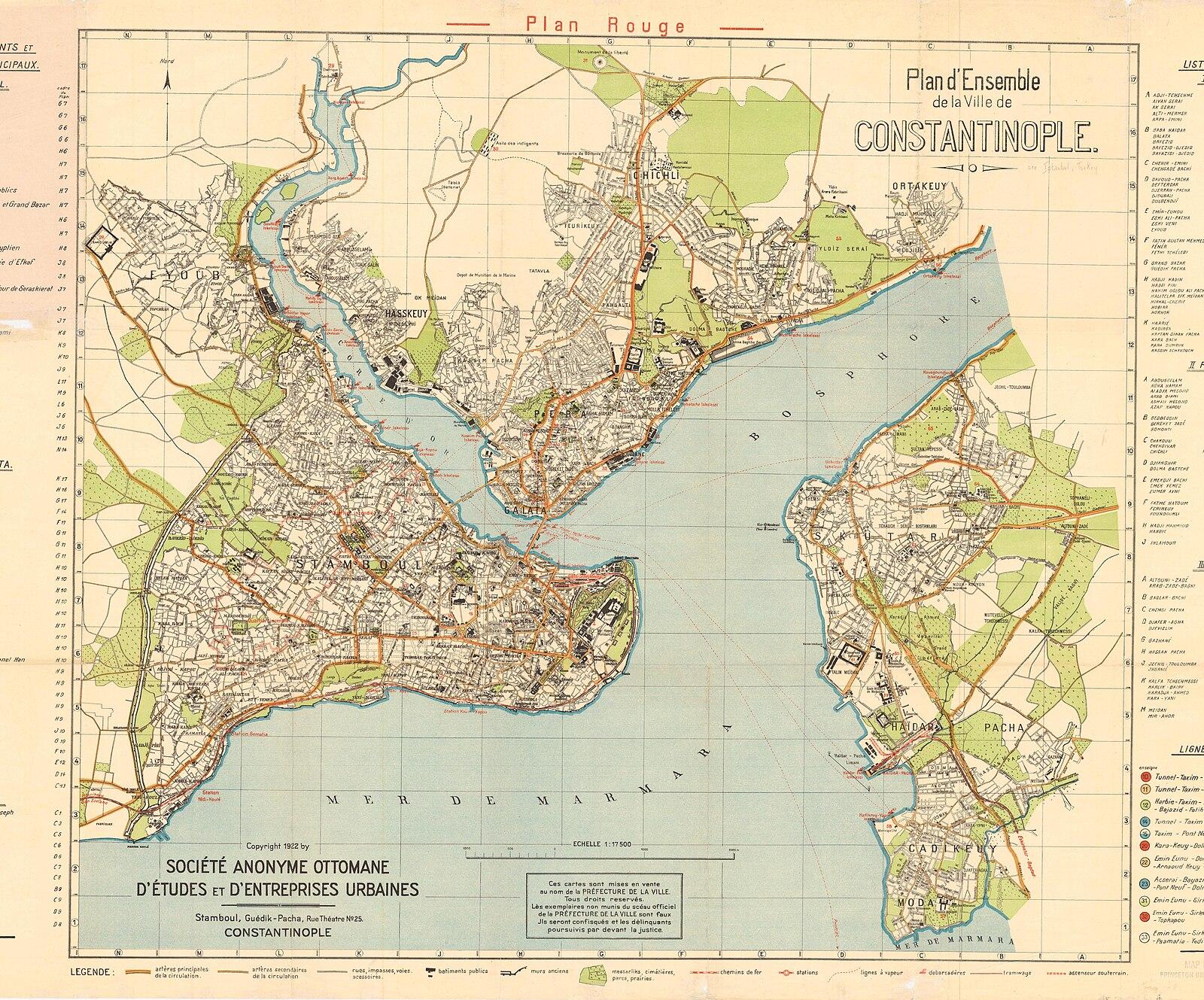
A growing number of Istanbul's real estate agents, municipal archivists and tourism operators are sounding the alarm over what digital forensics specialists describe as a systemic problem: duplicate and algorithmically cloned images being used across property portals, cultural databases and short-term rental platforms to misrepresent buildings, apartments and heritage sites across the city. The issue has moved from a technical nuisance to a policy concern, with Istanbul Metropolitan Municipality's digital services directorate reportedly reviewing its photo-verification protocols this summer.
The timing matters. Turkey's short-term rental market tightened sharply after the government introduced licensing requirements in 2023, pushing more landlords toward workarounds, including recycled or manipulated listing photographs, to stay competitive on platforms such as Airbnb and Sahibinden.com. At the same time, the municipality's ongoing Bosphorus-corridor urban renewal projects have generated thousands of new building permit files, each requiring photographic documentation, creating fertile ground for image duplication errors that can distort both public records and insurance assessments in a city already acutely sensitive to structural risk after the February 2023 Kahramanmaraş earthquakes.
The View From Beyoğlu and Karaköy
Digital forensics consultants working with Istanbul-based law firms in the Levent financial district say the problem clusters around three categories: property listings in Beyoğlu and Karaköy where landlords reuse photographs across multiple units; tourism marketing materials for sites around Sultanahmet in which stock images are recropped and relabelled as original photography; and municipal permit files where contractors submit images from previous projects. One firm that handles intellectual property disputes, it asked not to be named because of ongoing client matters, told The Daily Istanbul it had seen a marked increase in image-duplication cases since January 2026, with most complaints originating from Şişli, Fatih and Kadıköy districts.
Heritage preservation groups have been particularly vocal. The Tarihi Yarımada Koruma Derneği, which monitors development around Istanbul's UNESCO-listed historic peninsula, has argued in public submissions to the municipality that AI-generated replacement images inserted into renovation permit files make it harder to verify whether contractors are respecting the original fabric of Ottoman-era structures. The group pointed to permit applications filed for properties near the Süleymaniye Mosque complex as examples where submitted photographs did not match satellite imagery from the same period.
What the Data Shows, and What Comes Next
Reliable aggregate figures for image fraud in Turkish property markets are hard to come by. What is documented: Turkey's Information Technologies and Communication Authority, the BTK, logged more than 14,000 content-removal requests related to misleading digital media in 2025, though that category spans a range of violations beyond image duplication specifically. Separately, real estate platform Hürriyet Emlak introduced an automated image-matching tool in March 2026 to flag duplicate listings, a direct response, the company said in a press statement, to user complaints that had doubled year-on-year.
Academic specialists at Istanbul Technical University's urban informatics research group have been developing detection tools calibrated for Turkish construction photography, with a pilot programme launched in partnership with the Kadıköy Municipality earlier this year. The project focuses on earthquake-risk building surveys, where photographic integrity is legally consequential: under Turkey's mandatory earthquake insurance scheme, DASK, inaccurate building photographs submitted with insurance applications can void coverage.
For residents, the practical stakes are immediate. Anyone buying property in a post-earthquake risk zone, and much of Istanbul's European side qualifies, should request original, geotagged photographs with embedded metadata rather than accepting exported images stripped of location data, according to guidance issued by the Istanbul Chamber of Commerce's real estate advisory committee in May 2026. Sellers and landlords on Sahibinden.com and similar platforms now face removal of listings flagged more than twice for duplicated images under updated platform rules effective from June 1. Municipal archivists handling permit files in Fatih and Beyoğlu say they are piloting a blockchain-anchored image registry that would timestamp and lock photographs at the moment of submission, a system, if adopted citywide, that would make post-submission substitution technically detectable.