news
Istanbul Officials Battle Wave of Fake Images in Property and Heritage Documents
A surge in digitally duplicated and AI-replaced images on property listings, heritage permit applications and civic documents is drawing warnings from architects, legal professionals and city planners across Istanbul.
How we reported this
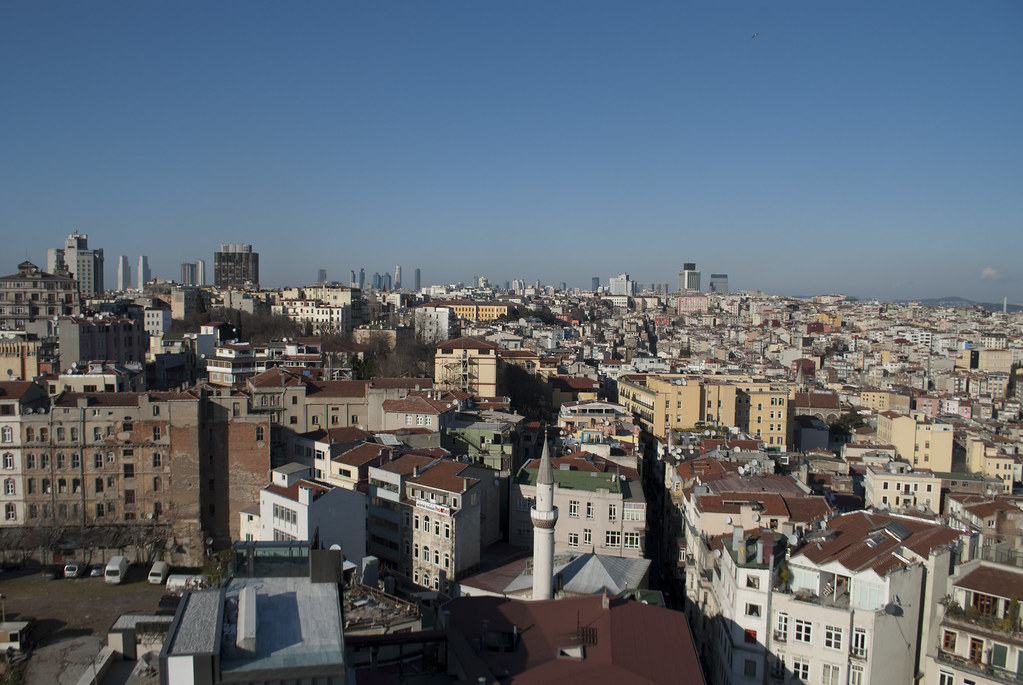
Digital image fraud, specifically the practice of substituting authentic photographs with duplicated or AI-generated replacements, has become a serious concern in Istanbul's property, tourism and urban planning sectors, prompting a growing chorus of warnings from professionals who say the problem is no longer fringe.
The issue sits at the intersection of several pressures already straining the city. Rapid post-earthquake construction reviews following the February 2023 Kahramanmaraş disaster accelerated digital documentation workflows across municipal departments. That shift, specialists say, opened the door to manipulated imagery slipping through formal review processes. With billions of lira in urban transformation contracts now cycling through the Istanbul Metropolitan Municipality and district municipalities annually, the stakes for image authenticity have risen sharply.
Where the Problem Is Showing Up
Architecture and property law practitioners in Beyoğlu and Kadıköy report seeing duplicate imagery most frequently in two contexts: real estate platforms listing properties in high-demand neighbourhoods such as Beşiktaş and Ataşehir, and heritage permit dossiers submitted to the Istanbul Cultural Heritage Preservation Board. In both cases, photographs of one building or interior are being recycled, sometimes with minor AI modifications, to represent a different property entirely.
The Istanbul Chamber of Architects, which operates a documentation centre on Sultanahmet's Alemdar Caddesi, has raised the alarm in professional circulars this year. The chamber has not issued a formal public statement with specific figures, but practitioners familiar with the organisation's internal communications say the subject dominated discussion at a May 2026 regional assembly. The chamber's concern centres specifically on applications tied to Istanbul's historic peninsula, where falsified site photographs could result in permits being granted for work that would otherwise be refused under UNESCO-linked conservation obligations.
Legal professionals working in property conveyancing around the Fatih district courthouse note that digital image duplication now appears in a recognisable pattern: a seller or developer submits documentation photographs that metadata analysis later reveals were taken at a different address, on a different date. Turkish civil law does not yet contain specific provisions targeting digital image fraud as a distinct offence; cases are currently pursued under broader forgery statutes in the Turkish Penal Code.
What Experts Are Urging
Urban planning academics at Istanbul Technical University, whose main campus sits in Maslak, have been pushing for mandatory cryptographic watermarking of all images submitted with planning applications since at least early 2025. The argument is straightforward: a tamper-evident hash embedded at the moment of capture makes post-processing substitution detectable. Several European cities, including Amsterdam and Vienna, have piloted comparable verification requirements for heritage documentation since 2024.
The Turkish Real Estate Investment Association, known by its Turkish acronym GYODER and headquartered in Levent, has reportedly been in discussions with major property portals about implementing reverse-image-search checks before listings go live. The association has not published a public timeline for any such policy, and no formal announcement has been made as of early July 2026.
Independent digital forensics consultants working out of co-working spaces in Şişli say demand for image authentication services has risen noticeably this calendar year, particularly from law firms handling disputes over Bosphorus-view apartment transactions, where a single verified photograph of an unobstructed waterfront vista can affect asking prices by hundreds of thousands of lira.
For individuals navigating property transactions or permit processes in the city right now, professionals recommend three practical steps: request original, unedited image files with embedded EXIF data from any counterparty; cross-reference property photographs against street-view records on mapping platforms using the address metadata; and, where heritage assets are involved, commission an independent site visit before signing any binding documentation. Istanbul's Tapu ve Kadastro offices, the land registry directorates, do not currently authenticate photographs independently, meaning the burden of verification falls almost entirely on the buyer, lawyer or applicant.