news
Istanbul Renters Lost Thousands to Fake Property Listings This Year
Duplicate and fabricated apartment images are pushing up rents, trapping families in fraudulent contracts, and hitting the city's most vulnerable neighbourhoods hardest.
How we reported this
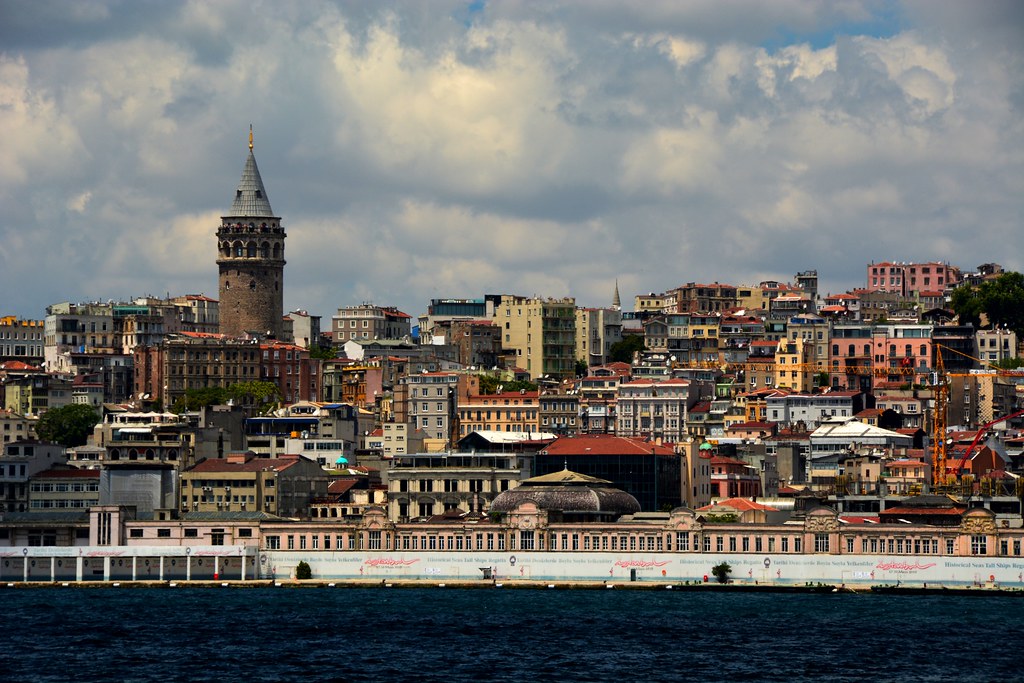
A single photograph of a Kadıköy apartment with Bosphorus views has appeared in at least 14 separate rental listings on Sahibinden.com and Hepsiemlak over the past six months, advertising properties in Beşiktaş, Üsküdar, Fatih, and even Esenyurt, neighbourhoods that bear no resemblance to each other in price, geography, or building stock. The image is fake. The listings are not. And the deposits collected from desperate renters were very real.
The practice of recycling, duplicating, and outright stealing property photographs to anchor fraudulent or grossly misleading rental listings has become acute in Istanbul in 2026, driven by a rental market that has seen average advertised rents in central districts climb above 25,000 Turkish lira per month for a two-bedroom flat, a figure that was unthinkable three years ago. With inflation compressing household budgets and the Syrian refugee community concentrated in lower-cost districts like Bağcılar and Sultangazi already struggling to find legitimate accommodation, the human cost of image fraud is not abstract.
How the Scam Works, and Where It Hurts Most
The mechanics are straightforward. A landlord or broker takes a professionally shot photograph from a high-end listing in Nişantaşı or Bebek, attaches it to a cheaper property in Gaziosmanpaşa or Esenler, and uses the visual mismatch to justify a rent 30 to 40 percent above local market rates. Prospective tenants, many of them newly arrived from other Turkish provinces or from Syria, pay a deposit before inspecting the unit. By the time they see the actual flat, the money is gone and legal recourse is minimal.
The Istanbul Bar Association's consumer rights unit has logged a measurable increase in rental fraud complaints since January 2026, though the association has not published an aggregate figure for the current year. Tapu ve Kadastro Genel Müdürlüğü, the national land registry directorate, does not track image-based fraud separately from broader rental disputes, leaving the scale of the problem statistically invisible at the official level.
Neighbourhood solidarity groups are filling that gap. In Bağcılar, a district on Istanbul's European side where roughly one in four residents is estimated by local civil society organisations to have arrived within the last decade, the Bağcılar Dayanışma Evi community centre has been running informal listing verification sessions every Saturday since March. Volunteers cross-reference advertised property images using reverse image search tools on shared laptops. They say they flag between eight and fifteen suspect listings per session.
What the City's Tech Platforms and Authorities Could Do
Istanbul Metropolitan Municipality's digital services directorate launched a tenant rights information portal in late 2025, ibb.istanbul/kiracihaklari, but the portal stops short of offering real-time image authentication tools. The two dominant property platforms, Sahibinden and Hepsiemlak, both carry terms of service prohibiting fraudulent listings, and both operate manual reporting systems, but neither has publicly committed to automated image-duplication detection as of this writing.
The timing matters beyond the immediate rental crisis. Istanbul is expecting a record tourism season this summer, and the short-term rental market on platforms like Airbnb is drawing more local landlords away from long-term leases, a dynamic that further squeezes supply in districts like Beyoğlu and Şişli. Fewer legitimate long-term listings means more pressure on the listings that remain, and more opportunity for image fraud to go undetected in a busy market.
For residents navigating all of this now, the most practical step remains the most old-fashioned one: insist on a physical inspection before handing over any deposit, and cross-check listing photographs using Google Images or TinEye before engaging with a landlord. The Bağcılar Dayanışma Evi sessions are open to non-residents and run from 10:00 to 13:00 each Saturday. The Istanbul Bar Association's consumer line, 0212 251 63 00, takes rental fraud referrals in Turkish and, on certain days, Arabic. Neither service is well advertised. Both are real.