For months, the narrow streets around İstiklal Caddesi and the side alleys of Beyoğlu have been the site of escalating petty crime—phone snatches, bag thefts, and late-night muggings that have left residents feeling increasingly vulnerable. Now, fed up with what they describe as sporadic police patrols and slow emergency response, business owners and residents are speaking out about their daily anxiety and demanding concrete action from municipal authorities.
"I work at my shop until 11 p.m., and I've changed my route home three times in the past year," says one shopkeeper on Çiçek Pasajı, one of Istanbul's most visited commercial spaces. "We call 112 and wait 20, sometimes 30 minutes. By then, the perpetrator is long gone." According to residents interviewed across the district, average police response times have stretched beyond 25 minutes in non-life-threatening incidents—well above the city's official target of under 10 minutes.
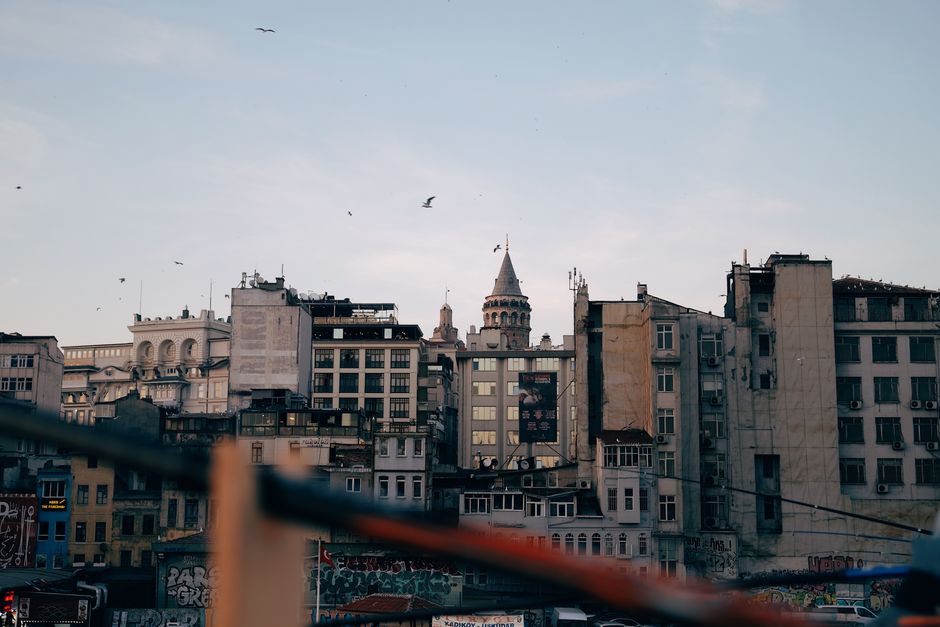
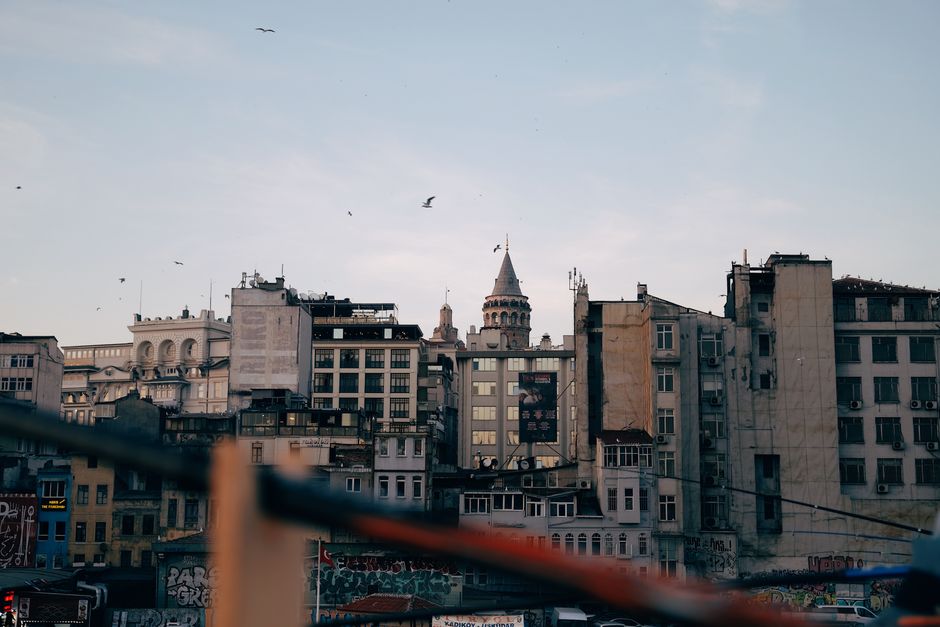
The Beyoğlu district, home to nearly 250,000 people and a crucial tourism hub attracting over 15 million visitors annually, has seen reported petty crimes increase by roughly 18 percent in the first half of 2026 compared to the same period last year, according to district crime statistics reviewed by local safety advocates. Residents say the problem is concentrated in poorly lit areas around Taksim, Cihangir, and down towards Galata Tower—zones with heavy foot traffic but inconsistent police coverage.
"We're not just talking about theft," explains a community organizer working with the Beyoğlu Residents' Association. "People feel unsafe waiting for ferries, walking to metro stations at night. Tourists report incidents too, which damages Istanbul's reputation." The organization has begun documenting incidents and presenting data to the Beyoğlu Municipality, demanding increased foot patrols and better coordination between local police stations and the 112 emergency dispatch system.
Some residents have resorted to informal neighbourhood watch initiatives, sharing WhatsApp alerts and coordinating escort systems for vulnerable commuters. Others have installed private security cameras, adding costs that small business owners say they can ill afford in an already challenging economic period.
The Istanbul Metropolitan Municipality acknowledged the concerns in a statement, noting that resource allocation across 39 districts remains "complex" but committing to "enhanced coordination" with police. For Beyoğlu residents waiting for tangible improvements, however, such promises ring hollow against the reality of their daily experience navigating one of Istanbul's most dynamic—and increasingly tense—neighbourhoods.
This article was compiled by AI from the sources linked above and screened before publishing. See our editorial standards.