Walk through Aksaray on any afternoon and you'll hear Dari, Arabic, Urdu, and Amharic layered beneath Turkish. The neighbourhood's transformation from a middle-class residential district into one of Istanbul's most demographically complex areas tells a story that extends far beyond the last few years. To understand why the city has become a de facto gateway for hundreds of thousands of migrants and asylum seekers, one must look back at the convergence of historical, geographical, and contemporary forces that have made Istanbul uniquely positioned for this role.
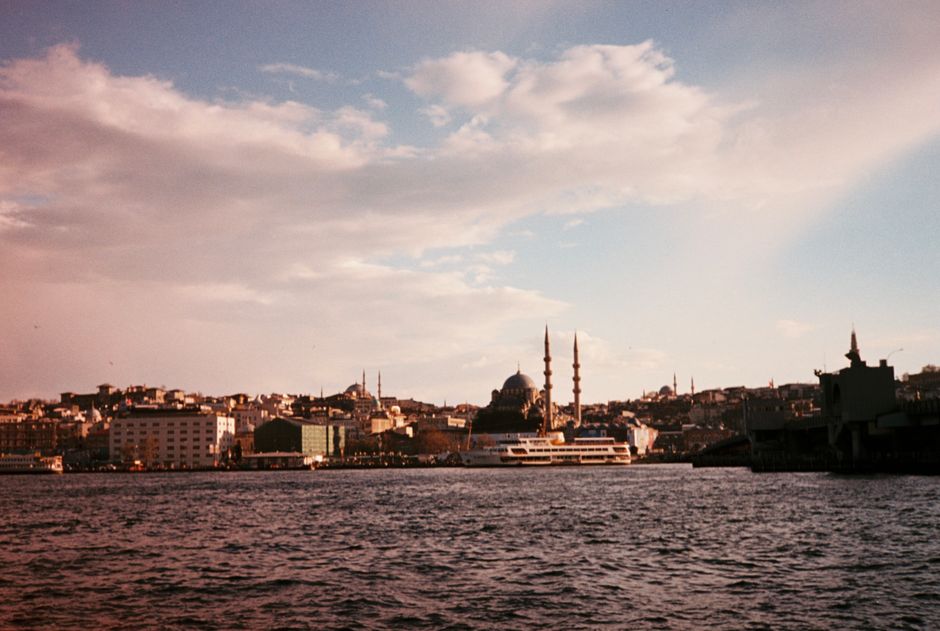
Istanbul's position as a migration node is rooted in its geography. Straddling Europe and Asia, with the Bosphorus serving as both physical barrier and vital shipping corridor, the city has been a crossroads for millennia. Modern migration patterns, however, intensified dramatically after the 2011 Syrian civil war. By 2015, Istanbul hosted approximately 1.5 million registered refugees—more than any other city globally. Today, that number has stabilised around 600,000-700,000 officially registered individuals, though actual figures likely exceed this considerably when including undocumented migrants from Afghanistan, Pakistan, and Sub-Saharan Africa.
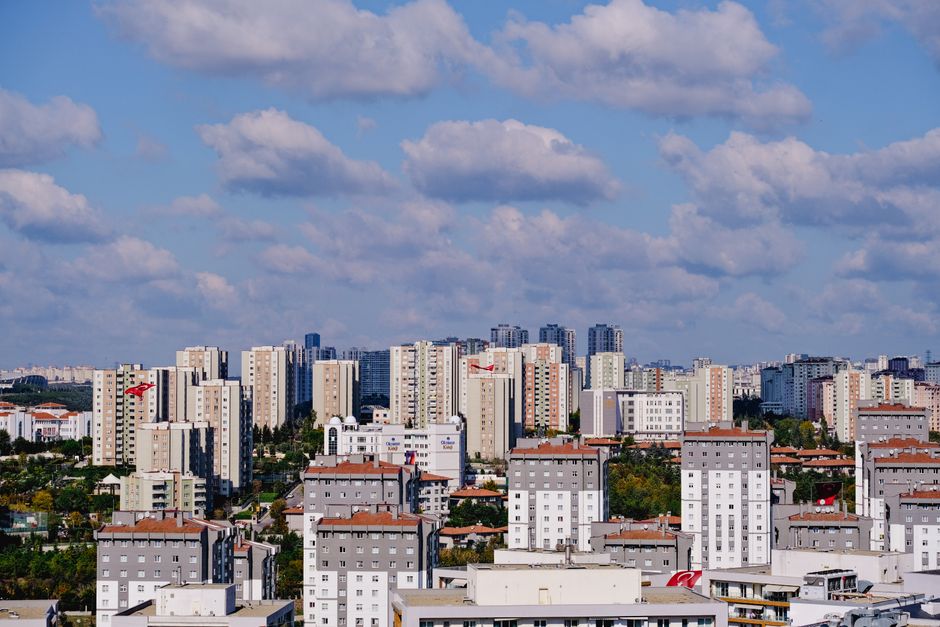
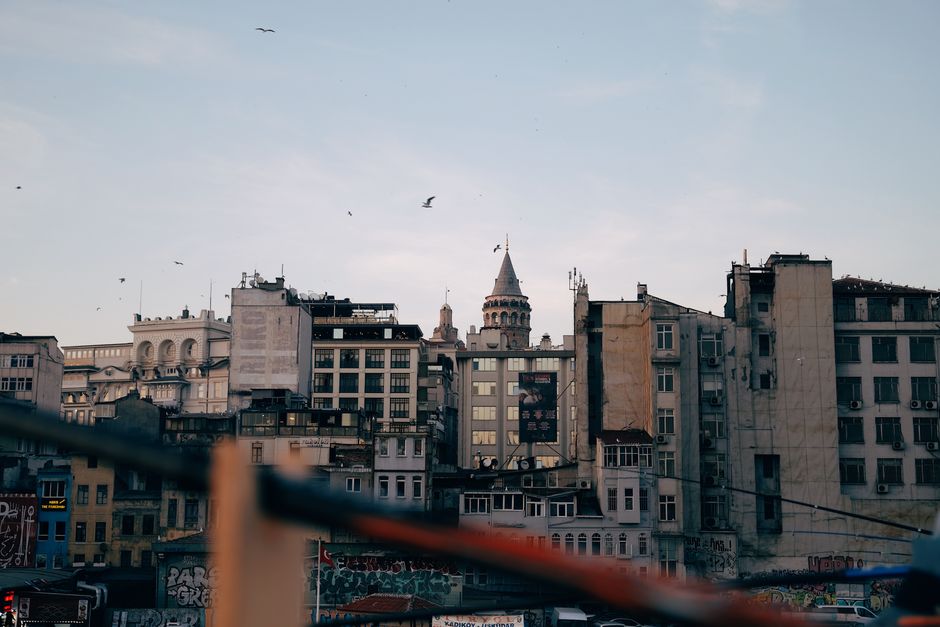
The legal and administrative frameworks that enabled this influx emerged from Turkey's 1994 Regulation on Asylum, which was significantly reformed following the 2016 National Action Plan. These policies, designed to provide temporary protection rather than permanent settlement, inadvertently created a liminal space where migrants remained in urban areas indefinitely. Istanbul, with its labour market opportunities and established diaspora networks, became the overwhelming destination. Galata, Beyoğlu, and Fatih saw rental prices in migrant-heavy areas surge from an average of 8,000 TL monthly in 2010 to 18,000-25,000 TL by 2023, according to housing data analysts.
Formal organisations like the International Organization for Migration and UNHAP have maintained offices in Mecidiyeköy and Şişli, creating institutional infrastructure that effectively branded Istanbul as a management hub. Simultaneously, informal networks—community organisations in Zeytinburnu, mosque-based assistance programmes, and private language schools in Taksim—developed organically to support incoming populations.
The current situation reflects cumulative policy choices, regional instability, and economic disparities that transformed Istanbul into what scholars call a "migration management city." Unlike European counterparts that received smaller, dispersed populations, Istanbul absorbed waves continuously, creating visible, concentrated communities. Understanding this history is essential as the city faces contemporary pressures: housing shortages, educational strains, and rising social tensions. The question facing Istanbul today isn't how migrants arrived—that story is decades in the making—but how the city manages what it has become.
This article was compiled by AI from the sources linked above and screened before publishing. See our editorial standards.