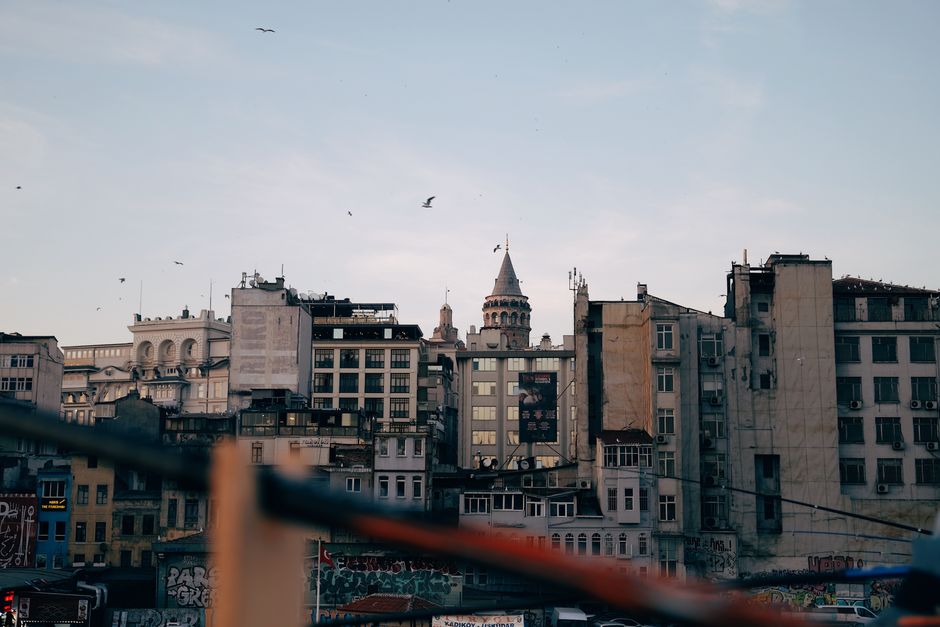
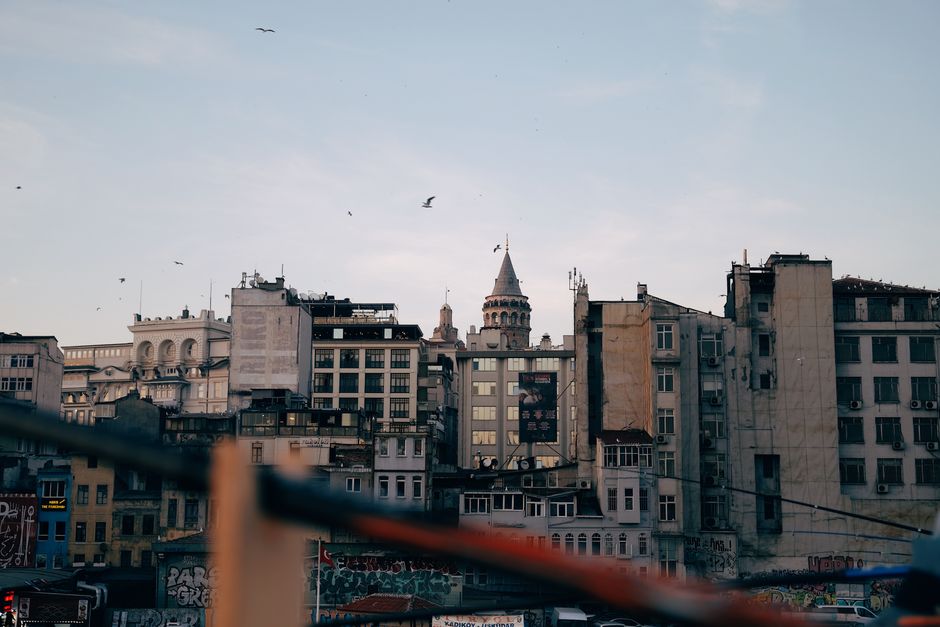
Balat, the centuries-old neighbourhood straddling the Golden Horn's western shore, is experiencing a palpable shift this week as community organisations announce a coordinated push to revitalise the area while preserving its Byzantine and Ottoman character.
The Balat Residents Association unveiled an ambitious street-cleaning initiative on Tuesday that mobilised over 80 volunteers across Balat Caddesi and the narrow backstreets around the Church of St. Stephen of the Bulgars. The effort, which drew participants ranging from schoolchildren to retirees, represents the latest in a series of grassroots actions designed to combat the accumulation of litter that has plagued the neighbourhood in recent months.
"We've seen unprecedented community engagement," said Mehmet Kaplan, coordinator of the association, noting that participation exceeded expectations. The group plans to establish weekly maintenance schedules beginning in July, targeting the steep cobblestone alleys where conventional cleaning equipment cannot operate.
Meanwhile, a collaborative mural project launched by the Istanbul Street Art Collective and the Balat Youth Centre has transformed a 40-metre wall on Ayvansaray Caddesi into a vibrant visual chronicle of the neighbourhood's multicultural heritage. The artwork, completed Sunday, incorporates imagery representing the area's Greek, Armenian, Jewish, and Turkish communities—a deliberate nod to Balat's historical identity as a cosmopolitan quarter.
The initiatives arrive as property developers continue to eye the neighbourhood, where renovation costs remain significantly lower than in gentrified areas like Beyoğlu. Local stakeholders have expressed concerns about displacement, with rental prices in central Balat rising approximately 18 percent year-on-year according to recent market analysis.
On Wednesday, the Balat Cultural Heritage Foundation announced a three-year documentation project aimed at cataloguing the neighbourhood's architectural treasures before further deterioration occurs. The initiative will focus on early Ottoman wooden houses concentrated around Balat Sok and Draman Caddesi, some dating to the 17th century.
The flurry of activity reflects a broader tension in Balat: residents and organisations are determined to improve living conditions and celebrate the neighbourhood's heritage, yet remain wary of development that could displace longtime inhabitants. Community leaders are now calling on municipal authorities to designate Balat as a protected heritage district with stricter regulations on renovation and new construction.
For many observers, this week signals a critical juncture. If sustained, these grassroots efforts could establish a model for community-led urban renewal that benefits existing residents—a stark contrast to the developer-driven changes reshaping Istanbul's other historic quarters.
This article was compiled by AI from the sources linked above and screened before publishing. See our editorial standards.