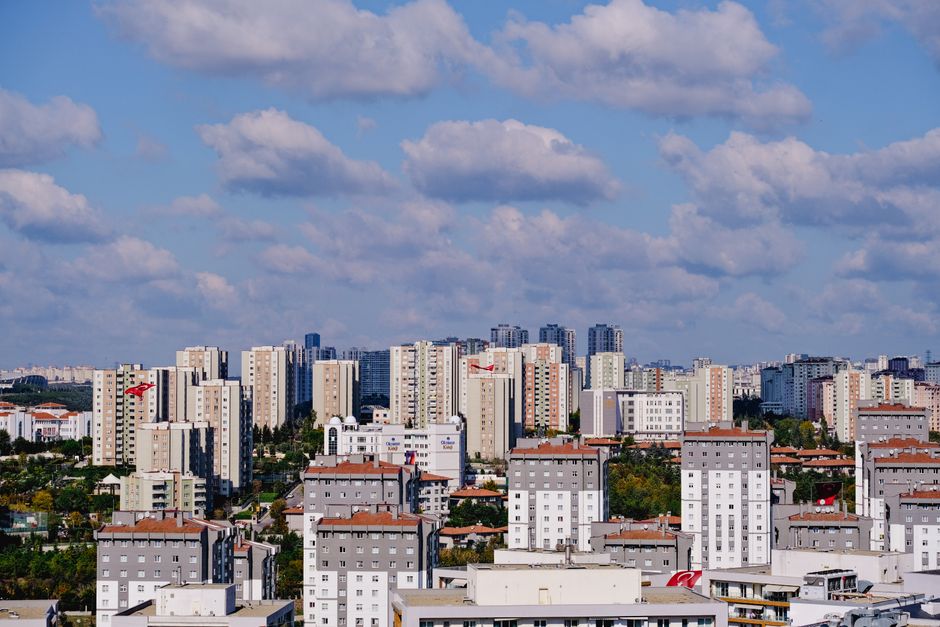
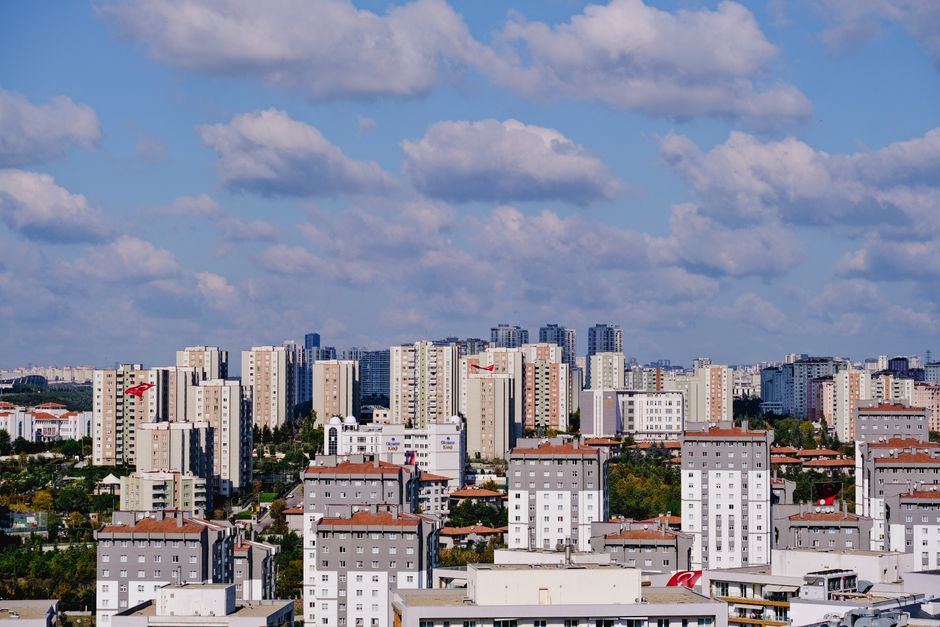
Istanbul's municipal planning authority approved a sweeping rezoning proposal on Wednesday that will permit residential towers up to 28 storeys in the Galata neighbourhood, a move that has galvanised preservationists and housing advocates alike in the city's most contentious urban planning battle in years.
The decision, ratified by the Metropolitan Municipality's planning commission, marks a dramatic shift in policy for an area long protected by heritage regulations. Under the new framework, developers can now construct mixed-use complexes combining residential units, office space, and retail along the historically dense waterfront district—a neighbourhood that has seen average apartment prices surge to 85,000 Turkish lira per square metre, pricing out middle-income families.
"This is about solving a genuine crisis," said a municipality spokesperson in a statement, noting that Istanbul's registered housing shortage stands at approximately 1.2 million units. "Our population has grown 40 per cent over two decades. We cannot preserve our way out of this emergency."
Yet critics argue the decision sacrifices the character of neighbourhoods where 19th-century stone buildings and narrow Ottoman-era streets define Istanbul's global identity. The Galata Tower Preservation Society and several neighbourhood associations have already announced legal challenges, claiming insufficient public consultation during the five-week review period.
The timing compounds existing tensions. Just last month, the municipality's controversial Beyoğlu masterplan sparked similar resistance, with residents of Cihangir and Taksim staging public forums to protest density increases. Housing prices across the European side have appreciated nearly 30 per cent annually since 2023, making homeownership mathematically impossible for families earning median incomes of 45,000 lira monthly.
The Galata decision reflects a broader philosophical shift at City Hall: prioritising housing supply over architectural conservation. Similar strategies have been deployed in Şişli and Beşiktaş, where zoning relaxations have already attracted major international developers from Singapore and Abu Dhabi.
However, planners remain divided. Dr. Ayşe Kaya, urban design faculty at Istanbul Technical University, warned this week that "density without infrastructure merely transfers problems—traffic, water systems, social cohesion—rather than solving them."
The municipality has signalled that future decisions will increasingly favour development. Applications for rezoning in Fener-Balat and the Theodosian Walls buffer zone are scheduled for consideration by mid-July, suggesting that this week's Galata approval may be merely the opening of a much larger transformation of Istanbul's urban landscape.
This article was compiled by AI from the sources linked above and screened before publishing. See our editorial standards.