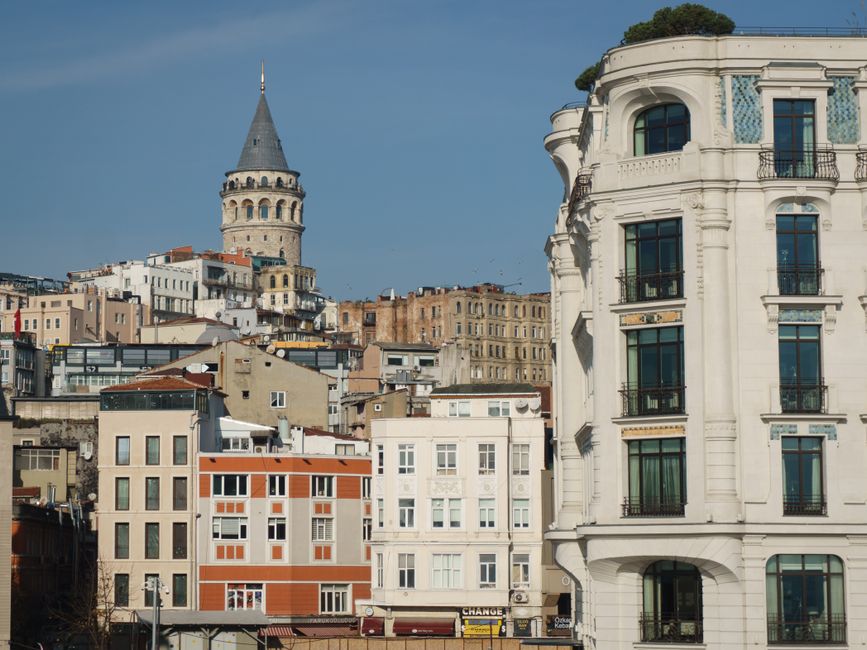
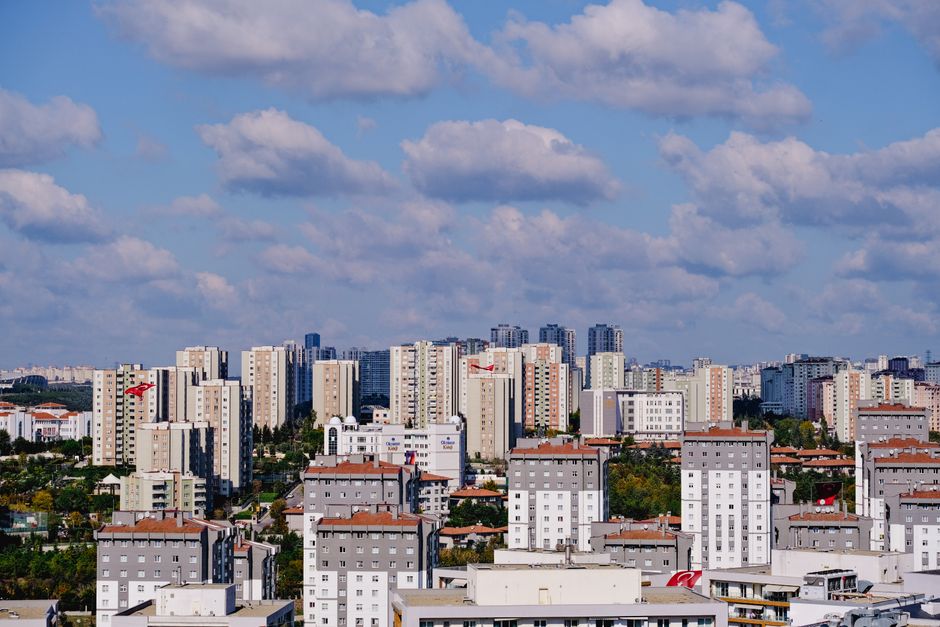
Istanbul's commitment to environmental sustainability reached a new milestone this week as three major initiatives moved into active implementation phases, marking the most significant environmental push the city has seen in nearly two years.
On Monday, the Golden Horn Restoration Authority officially launched the second phase of its comprehensive cleanup operation, with crews beginning work along the Balat and Fener waterfront neighbourhoods. The initiative, which has attracted 47 million Turkish lira in municipal funding for 2026, aims to reduce water pollution levels by 35 percent within eighteen months. Local fishermen reported cautious optimism, noting increased fish populations in preliminary surveys conducted over the past fortnight.
"The Golden Horn project represents a fundamental shift in how we think about our urban waterways," according to statements released by the city planning directorate. The restoration encompasses installing advanced filtration systems at seventeen stormwater outlets and creating wetland buffer zones across 8.5 hectares of previously degraded land.
Separately, the Istanbul Metropolitan Municipality announced Thursday that its expanded metro green corridor initiative would introduce 450,000 native plants across Taksim, Beşiktaş, and Kadıköy stations by September. The programme, budgeted at 12.3 million lira, represents an effort to combat urban heat island effects that have pushed summer temperatures in central districts 4-5 degrees Celsius higher than surrounding areas.
The week's third major development came Wednesday with the opening of a new waste-sorting facility in the Avcılar district. Operating with advanced artificial intelligence technology, the facility processes 380 tonnes of mixed waste daily, achieving a 67 percent recycling rate—substantially above the national average of 41 percent. Municipal officials estimate the facility will divert approximately 102,000 tonnes of waste from landfills annually.
These developments reflect broader shifts in city governance. The Istanbul Environmental Commission reported that resident participation in sustainability programmes has grown 23 percent year-over-year, with particular enthusiasm among younger demographics in Şişli and Beşiktaş districts.
However, challenges persist. Air quality readings during June's heat waves still exceeded WHO safety thresholds on nine separate days. Transit officials acknowledge that the metro expansion, while significant, addresses only 18 percent of the city's estimated green space deficit.
Nonetheless, environmental advocates and municipal planners largely characterise this week's announcements as evidence of momentum. With further projects scheduled through year's end—including a proposed solar panel initiative across public buildings in Fatih—Istanbul appears positioned to substantially advance its environmental agenda.
This article was compiled by AI from the sources linked above and screened before publishing. See our editorial standards.