The parking crisis gripping Beyoğlu has reached a breaking point, with residents and business owners demanding the Istanbul Metropolitan Municipality accelerate implementation of its long-delayed parking management strategy, originally scheduled for completion in March.
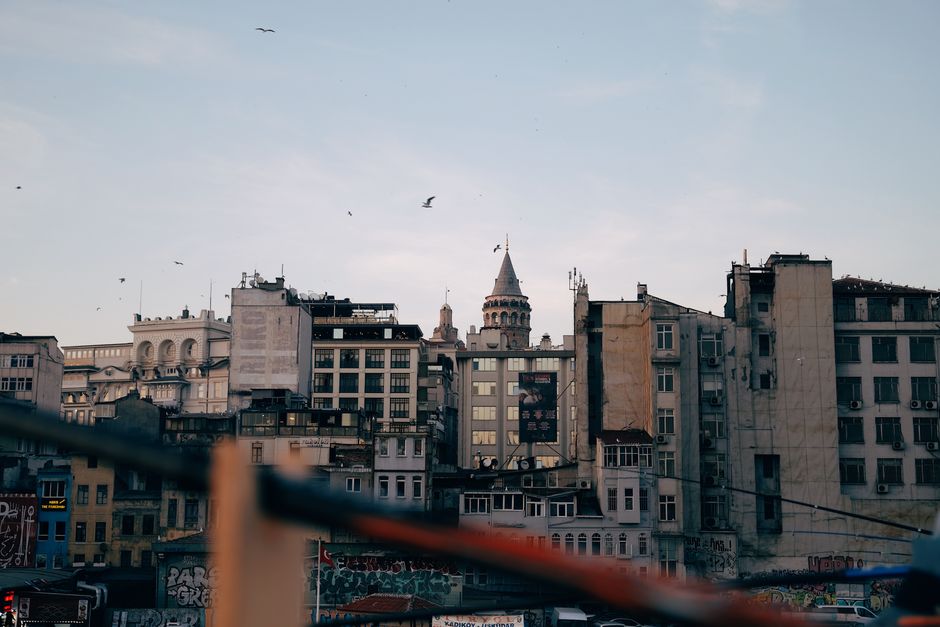
The initiative, which aims to introduce a digital permit system and increase parking capacity across high-density neighbourhoods including Cihangir, Galata, and Taksim, has faced repeated postponements. Local shopkeepers report losing customers to competing districts, while residents describe spending 45 minutes searching for spaces on streets like Istiklal Caddesi's side roads—a reality that has fuelled mounting discontent.
"This isn't just inconvenient—it's damaging our economy," said one shop owner operating near the historic Pera Museum in Tepebaşı, who described declining foot traffic over the past eighteen months. The municipality's data shows parking violations in Beyoğlu have increased by 34 percent since 2024, with fines generating revenue but failing to address underlying shortages.
The proposed system would create 2,400 new designated spaces across six neighbourhoods and implement dynamic pricing—ranging from 12 to 18 Turkish lire per hour depending on demand. Pilot zones were originally set for the Kasımpaşa and Halıcıoğlu areas, but these have not yet materialised.
Community organisations like the Beyoğlu Esnaf Derneği (Beyoğlu Tradespeople's Association) have escalated pressure through town hall meetings and social media campaigns. Residents cite the strain on the district's aging infrastructure—many streets in Cihangir and Galata date from the Ottoman period and were never designed for current traffic volumes.
The municipality's latest statement, released last month, attributed delays to "technical complications in digital infrastructure integration and stakeholder consultations." Officials indicated the revised timeline now targets September 2026 for full rollout, though no binding commitment has been made.
Small business operators report particular hardship. A café proprietor in Galata noted that customers increasingly choose venues with accessible parking in competing districts like Levent or Nişantaşı, where parking infrastructure is more developed. "We're being disadvantaged through no fault of our own," they noted.
The stalled initiative coincides with broader debates about Istanbul's urban density and transportation policy. As the city's population continues growing, the parking shortage has become emblematic of larger planning challenges facing municipal authorities attempting to balance development, livability, and commercial vitality across one of Europe's most congested metropolitan areas.
This article was compiled by AI from the sources linked above and screened before publishing. See our editorial standards.