Istanbul's Migrant Communities Navigate New Visa Rules: This Week's Developments
Fresh regulations and community initiatives reshape the city's approach to long-term residents as border policies tighten across Europe and the Mediterranean.
Fresh regulations and community initiatives reshape the city's approach to long-term residents as border policies tighten across Europe and the Mediterranean.
Istanbul's multicultural fabric faced significant shifts this week as the Turkish Interior Ministry rolled out amendments to residence permit procedures, affecting thousands of long-term migrants and their families throughout the city. The changes, which took effect on Monday, require additional documentation for renewal applications—a move that has sparked both concern and activity within Beyoğlu's diverse migrant support networks.
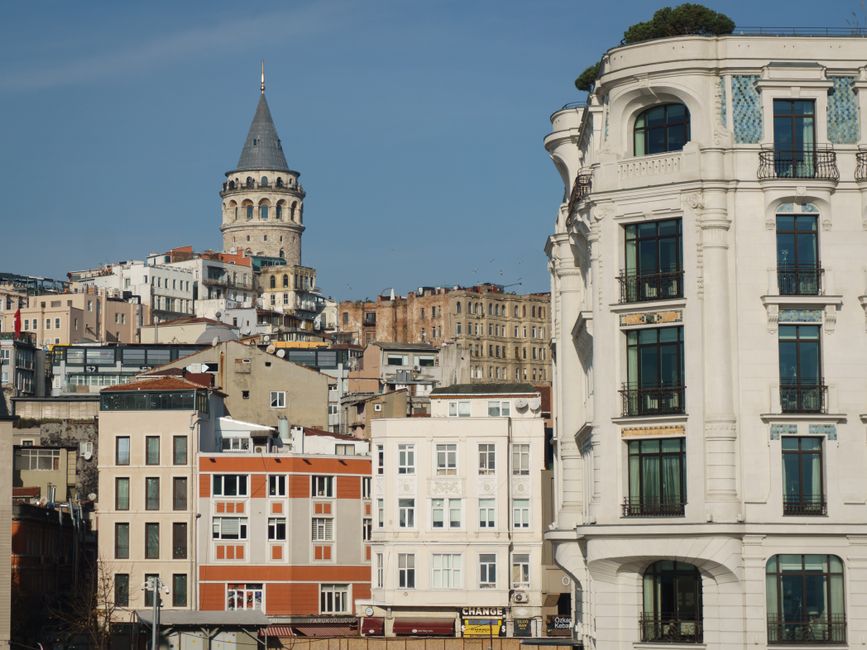
The Migrant Solidarity Association, based in a renovated Ottoman building near Galata Tower, reported a 40 percent surge in consultation requests since the announcement. "We're seeing families from Syria, Afghanistan, and Pakistan seeking clarity," said a spokesperson for the organisation. "The new requirements aren't insurmountable, but communication from authorities has been patchy." The association estimates approximately 850,000 foreign nationals currently reside in Istanbul—roughly 12 percent of the metropolitan population—with significant communities concentrated in Fatih, Aksaray, and Zeytinburnu neighbourhoods.
Meanwhile, the Beyoğlu Municipality launched an integration workshop series at the Cihangir Community Centre on Thursday, designed to help established migrants navigate bureaucratic changes while improving language skills. Officials reported 220 participants attended the inaugural session, exceeding capacity projections. The free programme, running weekly through August, addresses visa timelines, healthcare access, and employment documentation.
On the economic front, small business owners in the Laleli textile district—historically a hub for Afghan and Pakistani traders—expressed mixed reactions to the stricter requirements. "Paperwork takes time and money," noted one shop owner, requesting anonymity. Residence permit renewal costs have remained static at 2,800 Turkish lira for most foreign nationals, but associated costs for document authentication and translation services have climbed approximately 15 percent this quarter.
The developments arrive amid broader European migration pressures. Recent restrictions at land borders and increased maritime patrols across the Aegean have redirected attention to Turkey's interior migration patterns. Istanbul, as the nation's economic powerhouse, continues absorbing the majority of arrivals seeking employment and family reunification opportunities.
Community leaders emphasised resilience. The Federation of Istanbul Migrant Organisations, headquartered in Fatih, announced expanded legal aid clinics for July. "These are procedural adjustments, not prohibitions," the federation's coordinator noted. "We've weathered significant transitions before. What matters now is transparent communication and accessible support systems."
For the city's migrant populations, this week represented a critical inflection point—one requiring adaptation, but also underscoring Istanbul's continued role as a vital gateway for global movement and multicultural life.
This article was compiled by AI from the sources linked above and screened before publishing. See our editorial standards.
How does this story make you feel?
Spread the word
About this article
Published by The Daily Istanbul
Daily brief
Free, in your inbox before 7am. Weekdays.
More in News