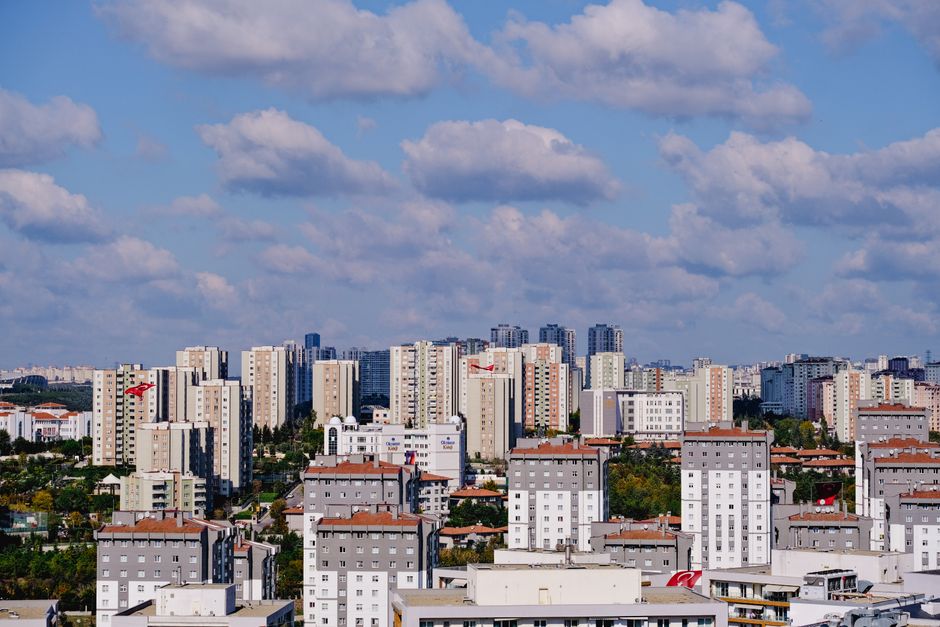
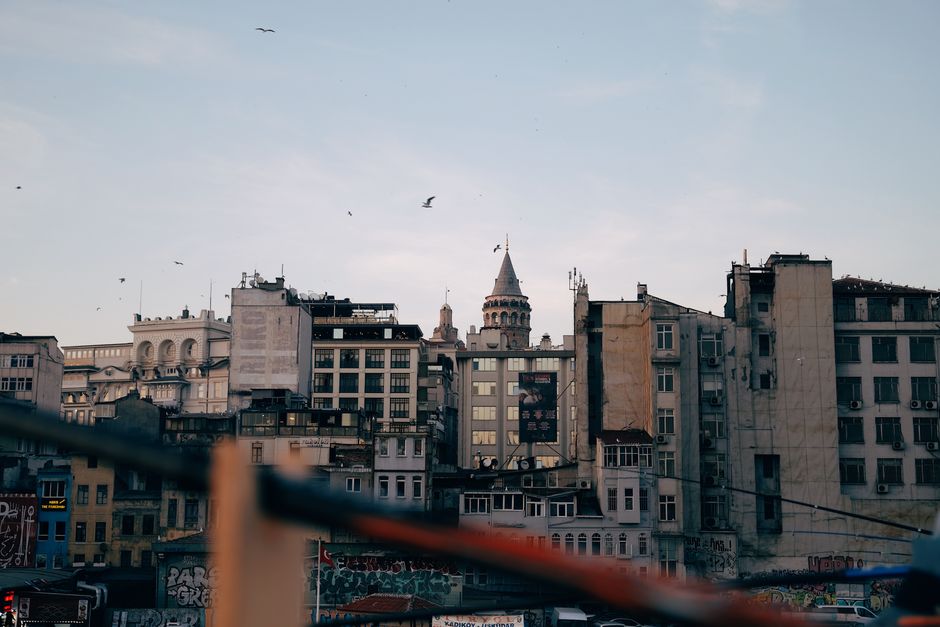
Walk through Fatih on any weekday morning, and the rhythm of Istanbul's transformation becomes audible: Dari spoken outside a bakery on Draman Caddesi, Somali merchants arranging goods in storefronts along Aksaray, Arabic café conversations drifting from terraces near the Sultan Ahmed Mosque. This isn't recent. The foundation for today's multicultural city was laid far earlier than many recognise.
Turkey's approach to migration shifted fundamentally after the 1990s. Initially conceived as a transit point—a temporary stop for those heading to Europe—Istanbul gradually became a destination itself. The Temporary Protection Regulation of 1994, which granted refugees renewable residence permits, inadvertently signalled stability. Combined with Istanbul's economic magnetism, thousands chose to stay rather than continue northward.
The Syrian displacement beginning in 2011 accelerated this permanence. Official figures suggest 600,000 Syrians registered in Istanbul alone, though community organisations estimate considerably higher numbers. But Syrian migration only intensified patterns already decades old. Afghan communities had established themselves in Zeytinburnu and Kumkapı since the 1980s. Pakistani networks around Laleli date back even further, created initially by textile traders who recognising economic opportunity, extended family chains across decades.
Economic necessity shaped geography. The rent in Fatih—averaging 800-1,200 lira monthly for modest flats—proved accessible for newcomers. Aksaray's proximity to employment hubs and transport links made it magnetic. Kumkapı's seafront economies created informal work. These neighbourhoods didn't become multicultural through abstract policy; they emerged because survival economics pointed there.
Institutional infrastructure followed slowly. The Refugee Rights Association, established in 1994, filled gaps the state left. Community centres like ASAM expanded throughout the 2000s. By 2024, organisations counting migrants and refugees numbered in the dozens, yet demand consistently outpaced services.
What complicates this narrative is the tension between Istanbul's role as economic engine and social pressure point. The city attracts migrants precisely because it generates opportunity—informal construction work, retail, domestic labour, street commerce. Yet each economic cycle brings renewed political scrutiny, housing pressures, and friction within receiving communities.
Today's Istanbul, with its estimated 4-5 million migrants and refugees among a metropolitan population of 15 million, represents not a sudden crisis but the accumulated weight of three decades of incomplete policy responses, powerful economic gravity, and human networks that proved more durable than temporary measures assumed.
Understanding how we arrived here matters. The multicultural character of Fatih, Aksaray, and Kumkapı wasn't imposed—it emerged from the collision of policy gaps and survival strategies. Recognising that history proves essential for discussing Istanbul's present and future.
This article was compiled by AI from the sources linked above and screened before publishing. See our editorial standards.