Istanbul Parents and Students Speak Out Against New University Entrance Fee Hikes
Community members from across the city express frustration as higher education costs surge ahead of the autumn semester.
Community members from across the city express frustration as higher education costs surge ahead of the autumn semester.
Parents queuing outside the Beyoğlu Municipal Education Centre on Istiklal Avenue voiced their concerns this week as new application fees for Turkey's university entrance system took effect, adding strain to households already grappling with rising living costs in Istanbul's tightly packed neighbourhoods.
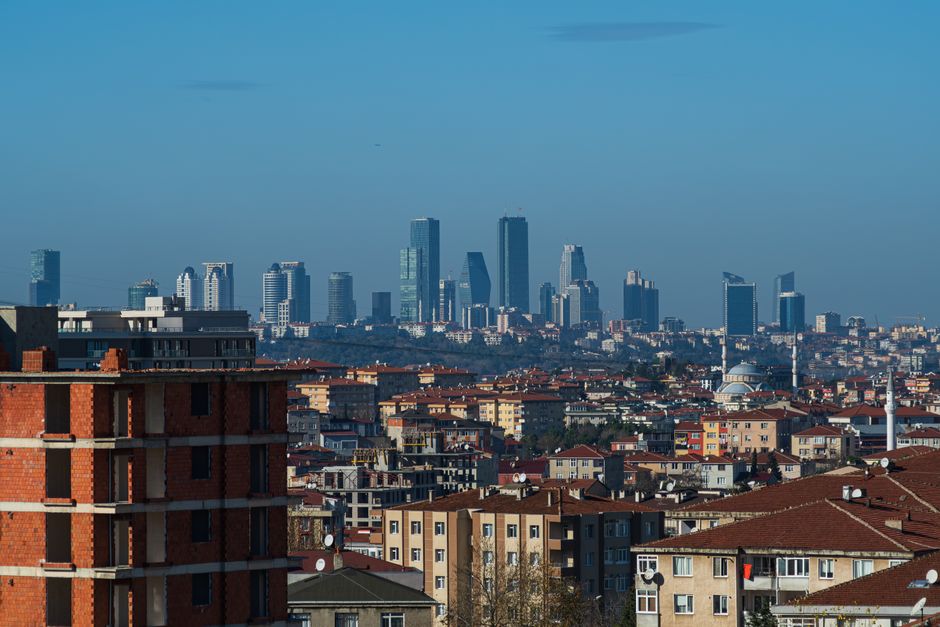
The fee increase, which pushes application costs from 450 lira to 680 lira per candidate, has sparked debate among families preparing their children for the competitive YÖK exam. In Fatih, one of Istanbul's most densely populated districts where over 300,000 residents live within walking distance of the Blue Mosque, preparatory school enrolment has dropped noticeably, according to local education coordinators.
"Three children in university or preparing to enter—we're looking at an extra 2,000 lira just in application fees before considering tutoring costs," said one resident of Şişli, a neighbourhood where average household incomes lag behind central business districts. Private prep courses in the area, which can cost between 8,000 and 15,000 lira monthly, remain essential for students seeking competitive scores.
Istanbul's education landscape has shifted dramatically over the past five years. The city hosts over 100 universities, from Boğaziçi University overlooking the Bosphorus to newer institutions in Avcılar on the European side. Yet accessibility remains contested. Students from lower-income families in districts like Pendik and Tuzla report spending up to two hours daily commuting to preparatory classes in central neighbourhoods, adding transport costs to already stretched budgets.
The Istanbul Chamber of Education, based near Sultanahmet, released preliminary data suggesting that roughly 35 per cent of families with university-age children have postponed exam registration decisions until July, hoping for policy clarifications. This hesitation ripples through the city's tuition ecosystem, affecting thousands of educators employed by private institutions.
University student unions at Marmara University's Anadoluhisarı campus and Istanbul Technical University's Maslak location have organised town halls addressing affordability concerns, though attendance has been modest. Many students work part-time jobs—in the retail sector along Cevahir Shopping Centre or hospitality venues near Taksim—to finance their studies, further limiting preparation time.
Local administrators acknowledge the tension. Istanbul's Department of National Education stressed that fee increases reflect infrastructure investments and expanded digital exam infrastructure, yet communication about these changes reached many families too late for spring planning cycles.
As the 2026 autumn semester approaches, conversations in Istanbul's diverse neighbourhoods continue reflecting a broader anxiety: whether Turkey's competitive education system remains accessible to those outside privileged economic circles.
This article was compiled by AI from the sources linked above and screened before publishing. See our editorial standards.
How does this story make you feel?
Spread the word
About this article
Published by The Daily Istanbul
Daily brief
Free, in your inbox before 7am. Weekdays.
More in News