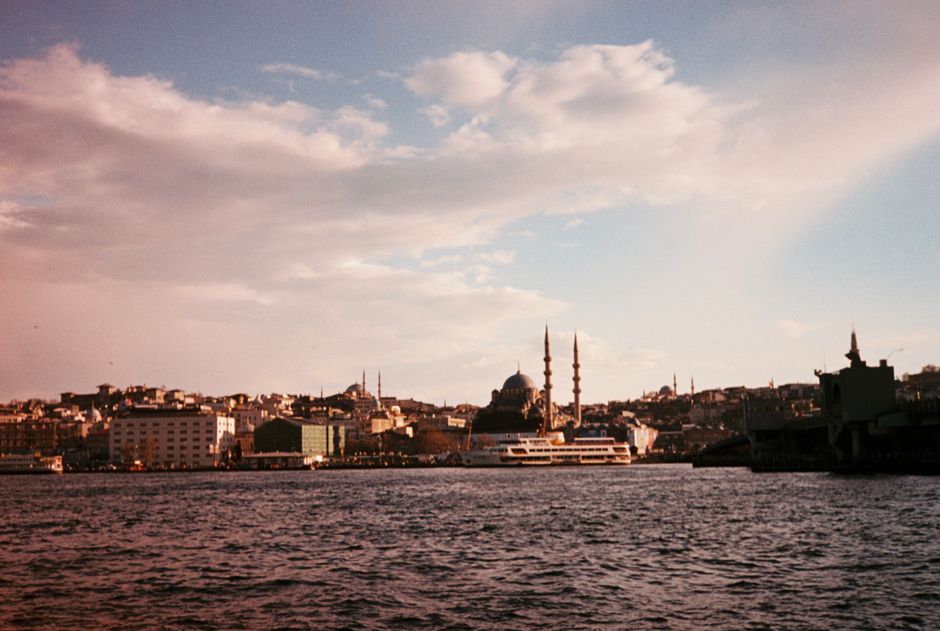
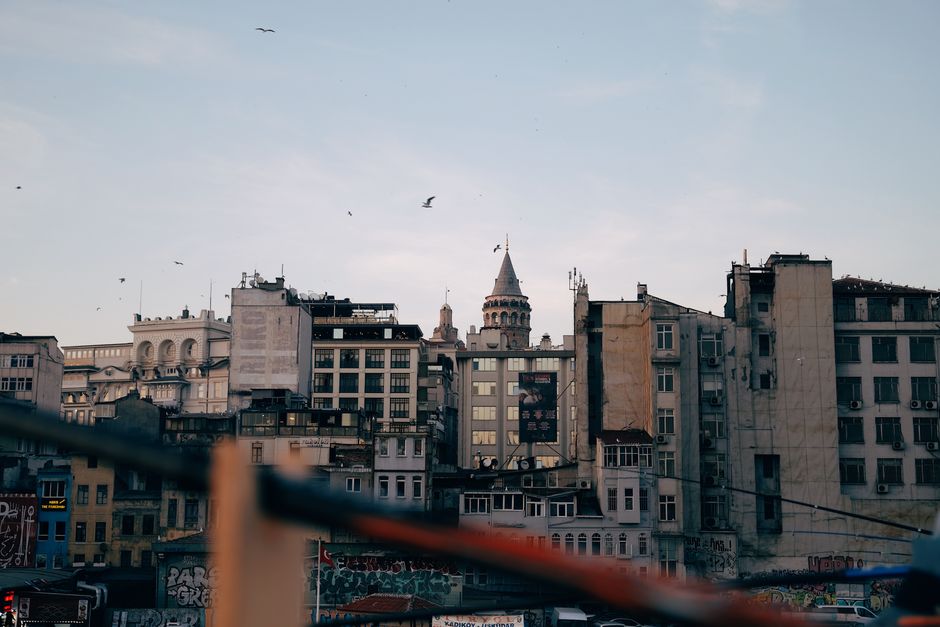
Walk through Fatih on any morning, and you'll hear a dozen languages before breakfast. Arabic, Dari, Kurdish, and Urdu blend with Turkish on the cobblestone streets around the Süleymaniye Mosque. This linguistic tapestry didn't emerge overnight—it's the accumulated result of nearly two decades of regional crises that have systematically funnelled displaced populations toward Istanbul's relatively porous borders and established migrant networks.
The numbers tell a stark story. Istanbul hosts approximately 1.2 million migrants and refugees according to UN estimates, roughly 8% of the city's 15 million population. Yet this figure masks profound shifts in migration patterns. In 2010, most were labour migrants from Central Asia and the Caucasus. Today, the composition has shifted dramatically: Syrian refugees represent around 400,000, with significant communities from Afghanistan, Pakistan, Iraq, and increasingly from Venezuela and sub-Saharan Africa.
The Syria crisis of 2011 marked the inflection point. As the conflict intensified, Turkey's open-door policy—initially humanitarian, later pragmatic—created infrastructure and informal networks that attracted subsequent waves of displaced persons. The densification of migrant communities in neighbourhoods like Aksaray, Kumkapı, and parts of Bayrampaşa wasn't coincidental. Established communities provided housing networks, employment opportunities, and cultural familiarity that made Istanbul the obvious choice for those fleeing Afghanistan after 2021, or Pakistan's economic collapse in 2023.
Afghan refugees particularly exemplify this pattern. Following the Taliban's 2021 takeover, nearly 100,000 Afghans transited through or settled in Istanbul within eighteen months. They followed routes established by predecessors, clustering around Laleli's textile district where informal employment networks already existed. Rent prices in these areas—averaging 8,000 to 12,000 Turkish lira monthly for modest apartments—remained below European capitals, even as they tripled from 2015 levels.
Pakistan's economic crisis has accelerated another wave. The Pakistani community in Istanbul, once primarily traders and students, now includes families fleeing double-digit inflation and political instability. They've established themselves around the Kaptan Pasha area, where entrepreneurship remains possible for those with minimal capital.
Yet this organic evolution has strained municipal infrastructure. Schools in Fatih operate at 180% capacity. Healthcare facilities in migrant-dense neighbourhoods report 40% rises in patient numbers since 2020. The Metropolitan Municipality's migration management directorate, established in 2019, struggles to coordinate with overwhelmed NGOs and UN agencies.
Istanbul's transformation reflects broader geopolitical realities: the spillover effects of unresolved conflicts, economic collapse, and environmental pressures. The city didn't choose to become a migration hub—circumstances conspired to make it one.
This article was compiled by AI from the sources linked above and screened before publishing. See our editorial standards.