Residents Demand Accountability as Istanbul's Water Crisis Deepens Into Summer
Community leaders across the city's sprawling periphery voice mounting frustration over supply cuts and soaring costs as temperatures climb.
Community leaders across the city's sprawling periphery voice mounting frustration over supply cuts and soaring costs as temperatures climb.
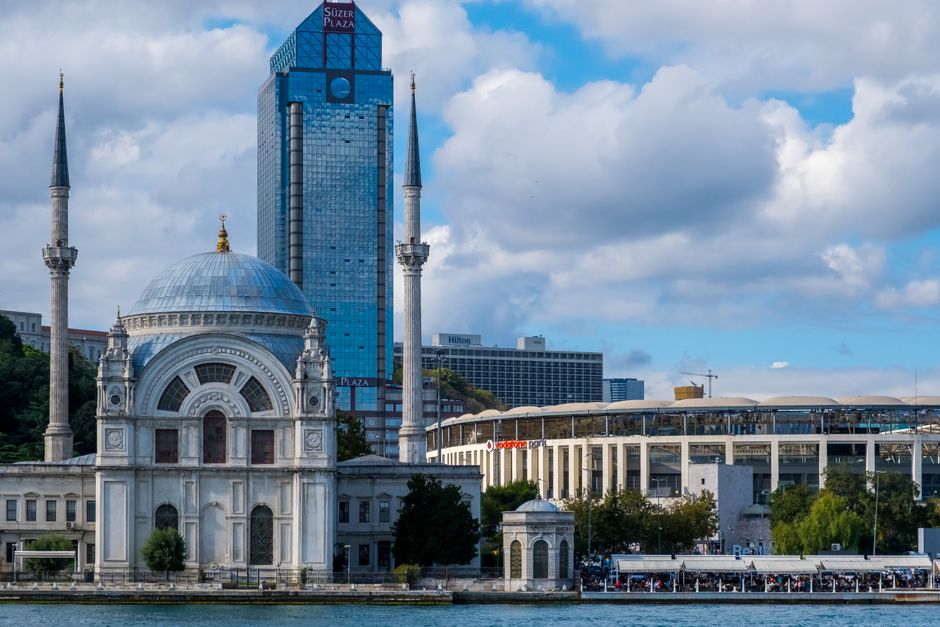
As mercury climbs above 35 degrees Celsius, residents in Istanbul's outer districts are growing increasingly vocal about a water shortage that authorities have struggled to manage. The Iett bus union hall in Sultanbeyli hosted an emergency community gathering last week where dozens of neighbourhood representatives aired grievances about intermittent supply cuts that have left taps dry for up to 18 hours daily.
"We're not talking about minor inconvenience," explained Mehmet Kaya, coordinator of the Gaziosmanpaşa Residents' Association, who attended the meeting. "Families are rationing water for basic hygiene while the municipality has offered no timeline for repairs to the aging Halkalı distribution network." The network, which supplies roughly 2 million people across the city's western and northern periphery, has faced recurring failures since February's infrastructure assessment identified corrosion affecting 40 percent of main pipes.
The Istanbul Metropolitan Municipality announced a 12 percent tariff increase in April—the third rise in eighteen months—prompting particular resentment among lower-income households in districts like Bahçelievler and Esenyurt, where monthly water bills now average 850 lira for modest consumption. Community organisers argue the price hikes precede meaningful infrastructure investment.
At the Eyüpsultan district council meeting on June 24, shopkeepers from the Balat bazaar presented data showing business interruptions: a traditional hammam operator reported 40 percent revenue loss due to reduced hours, while a laundry service owner calculated 6,000 lira in lost earnings over six weeks. The municipality's promise of 500 million lira in pipeline upgrades by 2027 drew scepticism from attendees who cited similar pledges made in 2022.
Işık Demirkol, who coordinates water access advocacy through the Taksim Solidarity Network, emphasised broader systemic concerns. "This crisis reflects decades of underinvestment in peripheral neighbourhoods," she noted. "While central areas maintain consistent supply, outer districts absorb both the scarcity and the cost burden."
Officials from the Water and Sewerage Administration acknowledged the strain, attributing it partly to record-low rainfall—Istanbul received 34 percent less precipitation than the seasonal average—and population growth in unplanned settlements that infrastructure predates. They pledged accelerated repair schedules and temporary trucking of water to severely affected zones, though residents remain unconvinced about accountability.
As summer intensifies, community groups are organising independent supply coordination initiatives and demanding representation on municipal planning committees, signalling that frustration may crystallise into sustained political pressure.
This article was compiled by AI from the sources linked above and screened before publishing. See our editorial standards.
How does this story make you feel?
Spread the word
About this article
Published by The Daily Istanbul
Daily brief
Free, in your inbox before 7am. Weekdays.
More in News