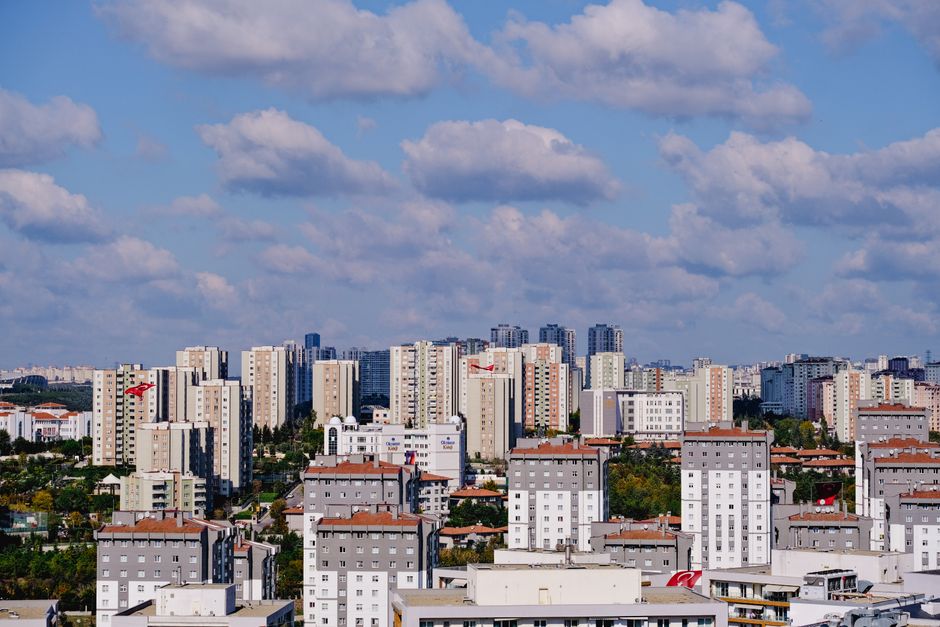
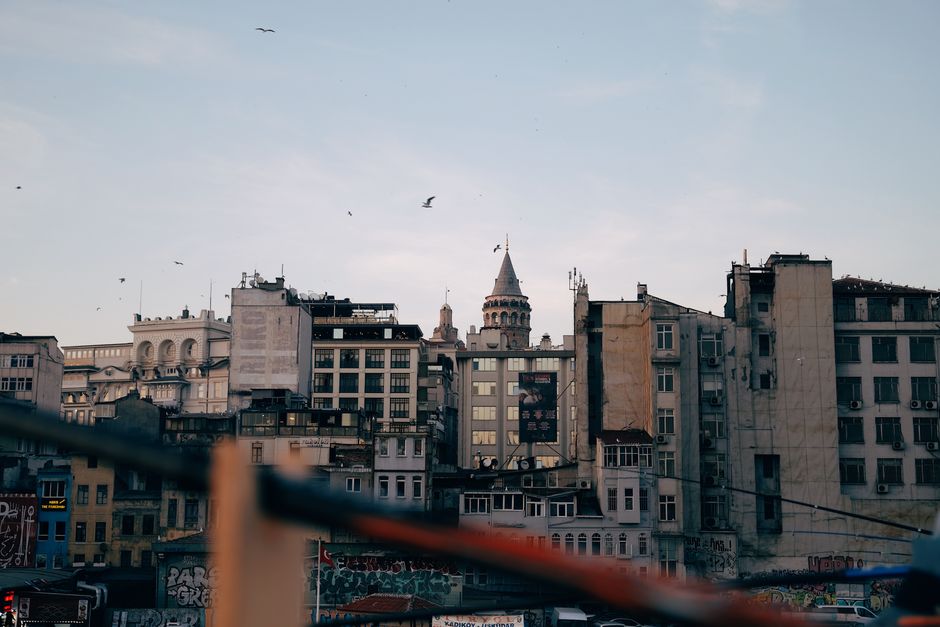
Istanbul stands at a critical juncture in its infrastructure planning. With a metropolitan population approaching 16 million and daily metro ridership exceeding 3 million commuters, the city's transport networks are straining under relentless pressure. Yet the path forward remains uncertain, with several multi-billion-dollar projects suspended between ambition and fiscal reality.
The most pressing question concerns the Metro Line M7, which is meant to connect Mahmutbey in the European side to Dragos on the Asian shore, spanning 36 kilometres and eventually crossing under the Bosphorus. Originally targeted for 2028, the project has faced repeated delays and cost escalations. Officials must now decide whether to proceed with the full route or scale back to a phased approach that prioritises congested corridors like Beylikdüzü and Bahçelievler—areas where commute times have doubled since 2020.
Istanbul Airport's expansion strategy presents an equally thorny challenge. The facility handled 37 million passengers in 2024, approaching design capacity. Airport management must choose between a controversial third runway development on contested land in Arnavutköy—fiercely opposed by environmental groups—or investing heavily in improved ground transport links to shift passengers toward rail. The decision carries implications far beyond aviation, affecting property values and land use across northwestern Istanbul.
The Kaykay Tram project, intended to link Alibeyköy to Eyüp along the Golden Horn's western shore, exemplifies the city's planning paralysis. After securing European investment consortium backing in 2024, the 6.3-kilometre line now awaits final municipal approval, complicated by heritage conservation concerns around the historic Eyüp neighbourhood and demands for community consultation that have extended decision-making by 18 months.
Perhaps most contentious is the proposed multi-level highway system through central neighbourhoods like Fatih and Eminönü. Proponents argue it could reduce surface congestion; opponents warn of irreversible damage to the historic peninsula's character and air quality. A city-wide referendum was mooted but repeatedly postponed. Municipal officials must now decide whether to push ahead, abandon the scheme, or negotiate a radically scaled-down alternative.
Cost is the underlying constraint. Istanbul's municipal budget for transport investment sits at approximately 12 billion Turkish lira annually—substantial but insufficient for the full agenda. Planners must prioritise ruthlessly. Should resources flow toward expanding metro coverage to sprawling outer districts, or improving frequency and reliability on existing central lines? Should the city pursue expensive underground solutions through congested areas, or embrace bus rapid transit systems that cost a fraction as much?
These decisions, expected largely between now and late 2026, will determine whether Istanbul evolves into a manageable metropolis or descends further into gridlock. The city's next decade of livability hangs in the balance.
This article was compiled by AI from the sources linked above and screened before publishing. See our editorial standards.