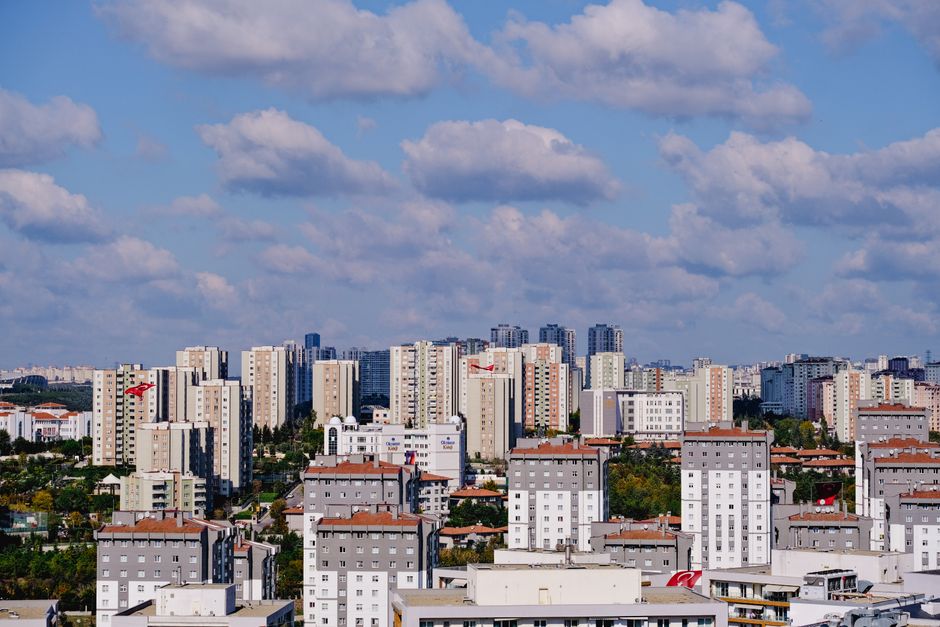
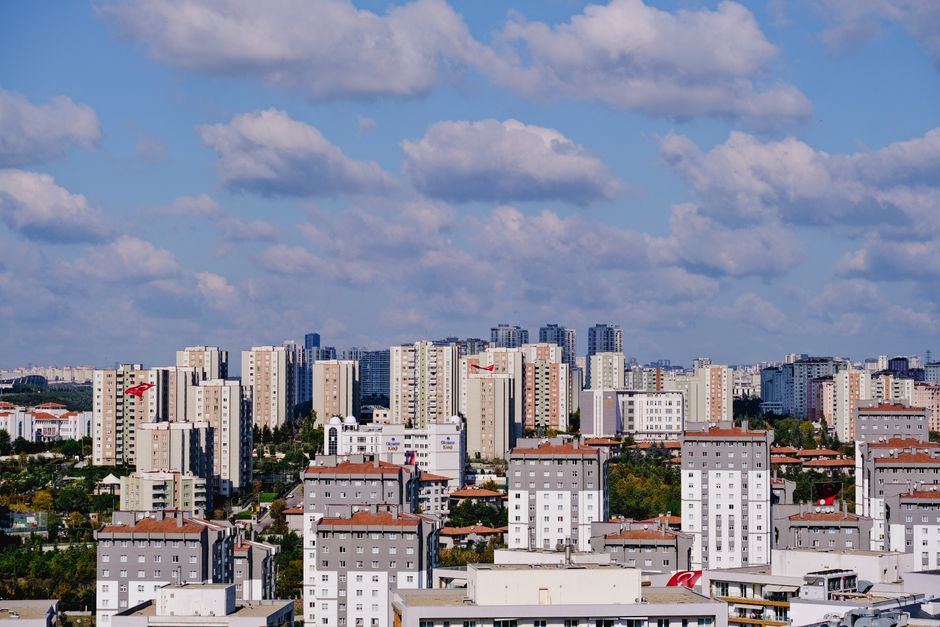
Istanbul's municipal authorities and international migration experts are sounding the alarm over the city's capacity to accommodate the growing wave of displaced persons seeking refuge, with officials warning that existing infrastructure cannot sustain current intake rates without significant intervention.
Speaking at a conference hosted by the Istanbul Metropolitan Municipality last week, city officials highlighted that the number of registered migrants and asylum seekers in Istanbul has surged to approximately 850,000—nearly 11 percent of the city's population. Rental prices in traditionally migrant-heavy neighbourhoods like Fatih and Aksaray have increased by 23 percent over the past 18 months, according to data from the Istanbul Chamber of Commerce, pricing out vulnerable populations and forcing families further into informal settlements.
"We are witnessing unprecedented pressure on our housing stock, education services, and healthcare infrastructure," said a spokesperson for the Istanbul Municipality's Social Services Department, emphasizing that coordination between city authorities and national government remains insufficient. The municipality has allocated 2.3 billion Turkish lira for migrant integration programmes in 2026, yet experts argue this falls short of actual need.
Dr. Zeynep Şahin, migration policy researcher at Koç University's Human Rights Center, emphasized during a recent roundtable discussion at the university's Istanbul campus that the city requires comprehensive policy reform. "Istanbul functions as a de facto reception centre for the entire region," Dr. Şahin noted, pointing to arrivals from Afghanistan, Syria, Pakistan, and increasingly Central Asia straining the social fabric.
The International Organization for Migration's Istanbul office has partnered with local organisations including the Immigrant Solidarity Association (SGDD) operating from their base in Zeytinburnu to address immediate needs. Officials from both organisations stressed during interviews that without expanded work permit regulations and housing subsidies, informal sector employment will continue to flourish, leaving migrants vulnerable to exploitation.
Turkish authorities have indicated plans to establish processing centres outside Istanbul's core districts, potentially in surrounding provinces like Çekmeköy and Sultanbeyli, to distribute pressure more equitably. However, civil society representatives warn that peripheral relocation without comprehensive services risks marginalizing already vulnerable populations.
The consensus among officials and experts is clear: Istanbul's role as a global migration hub requires investment matching its actual responsibilities. Without immediate action, they warn, the city faces deepening social fragmentation and humanitarian challenges that will reverberate across the region.
This article was compiled by AI from the sources linked above and screened before publishing. See our editorial standards.