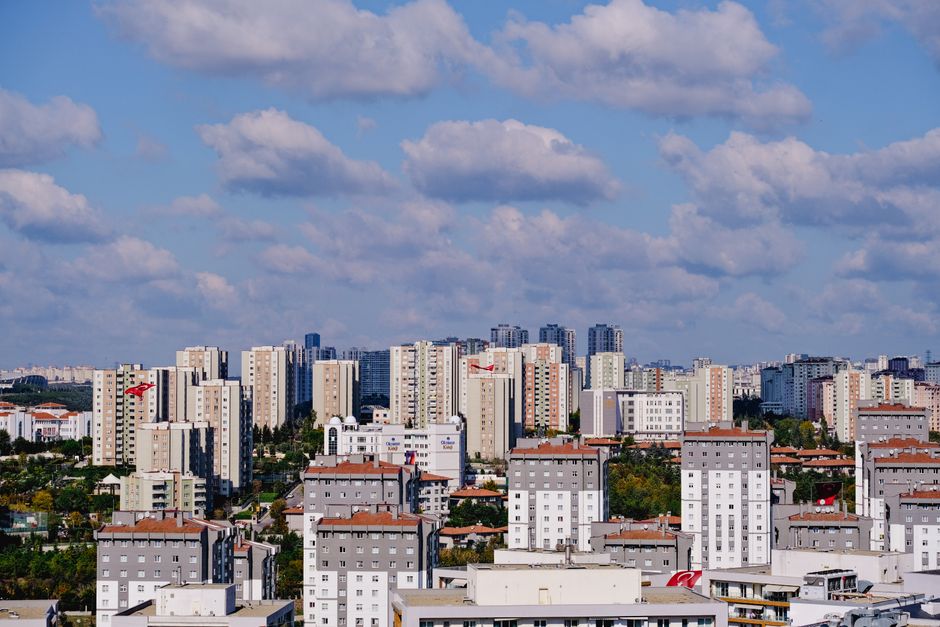
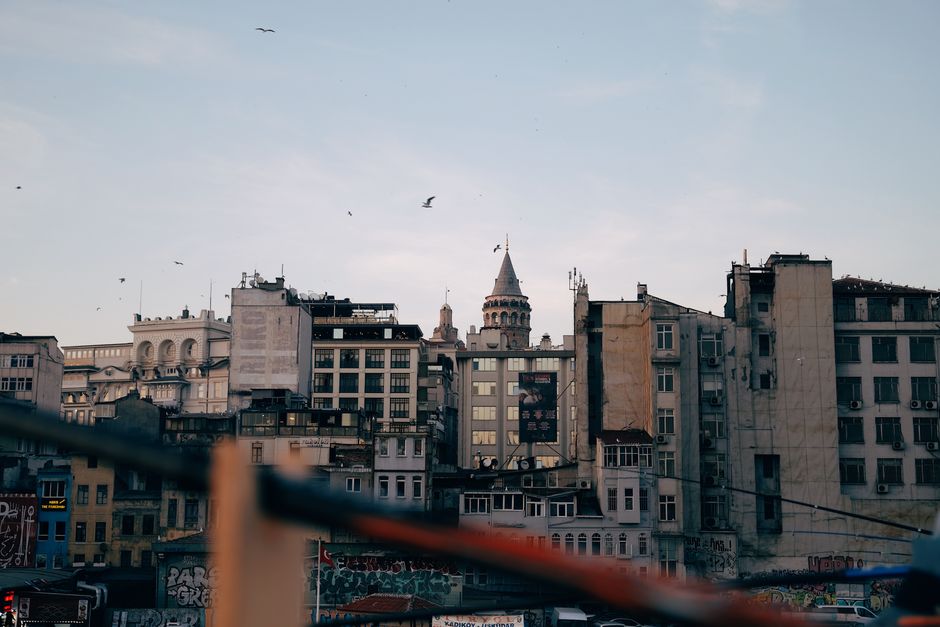
Istanbul's historic neighbourhoods are facing a critical juncture, according to senior officials and urban development experts interviewed this week. As the municipality rolls out regeneration initiatives across districts like Balat, Fener, and Tarlabaşı, city planners are grappling with questions of how to modernise infrastructure whilst preserving the cultural fabric that defines these communities.
Mehmet Kaya, head of the Istanbul Metropolitan Municipality's Urban Renewal Department, emphasised in recent remarks that the focus remains on sustainable development rather than wholesale demolition. "We're looking at targeted interventions," he told local stakeholders, noting that approximately 12,000 buildings across priority districts require structural assessment and potential renovation support. The municipality has allocated resources to improve water systems, electrical wiring, and waste management in areas where infrastructure predates the 1970s.
Dr. Ayşe Tanrıöver, an urban sociologist at Marmara University specialising in gentrification patterns, has raised concerns about displacement. "When you improve neighbourhoods without adequate tenant protections, you risk pricing out long-term residents," she explained in recent interviews. Current rental rates in Balat have risen 18 percent year-on-year since 2023, according to local property data, creating tension between revitalisation goals and affordability.
The Chamber of Commerce and Industry's Istanbul branch has advocated for small business support programmes alongside infrastructure work. Chamber spokesperson İbrahim Çetin highlighted that many family-run shops along Caddebostan's main thoroughfare and in the Küçükpazar commercial area face closure if electricity and water costs spike during renovations. "These aren't just businesses—they're community anchors," he stated, calling for subsidised upgrade loans.
Neighbourhood associations have proven instrumental in shaping conversations. The Balat Residents' Association and similar groups have successfully negotiated with municipal planners to preserve architectural character in restoration projects, according to their representatives. This grassroots input has influenced official policy, with heritage guidelines now factoring into all new construction permits in designated historic zones.
Dr. Tanrıöver and Kaya both acknowledged the complexity of Istanbul's growth. The city's population, now exceeding 16 million, continues expanding, yet officials stress that revitalisation should strengthen existing communities rather than displace them. "The goal is to create liveable neighbourhoods for everyone already here," Kaya said, noting that consultation processes with residents will continue through 2027.
This article was compiled by AI from the sources linked above and screened before publishing. See our editorial standards.