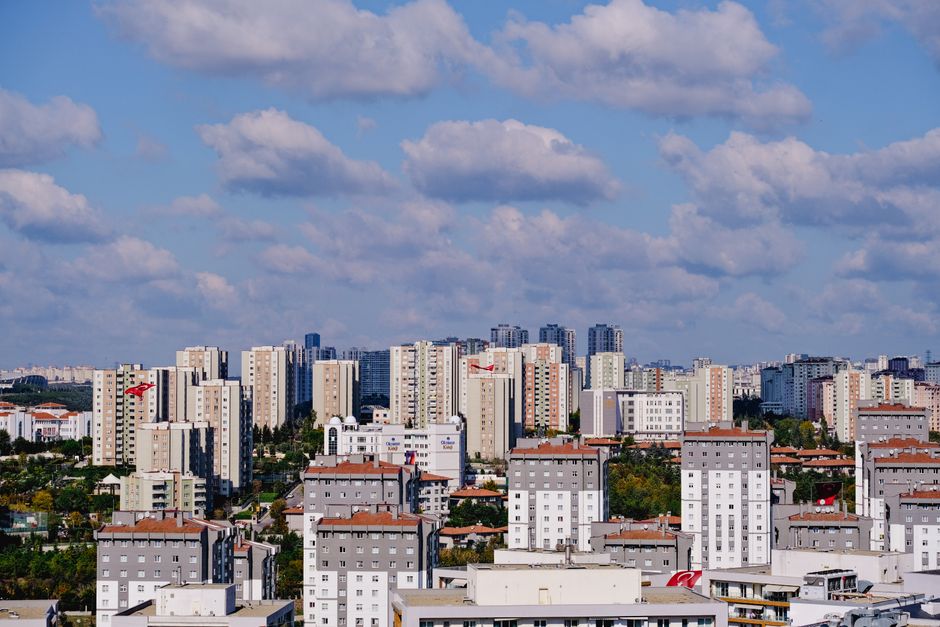
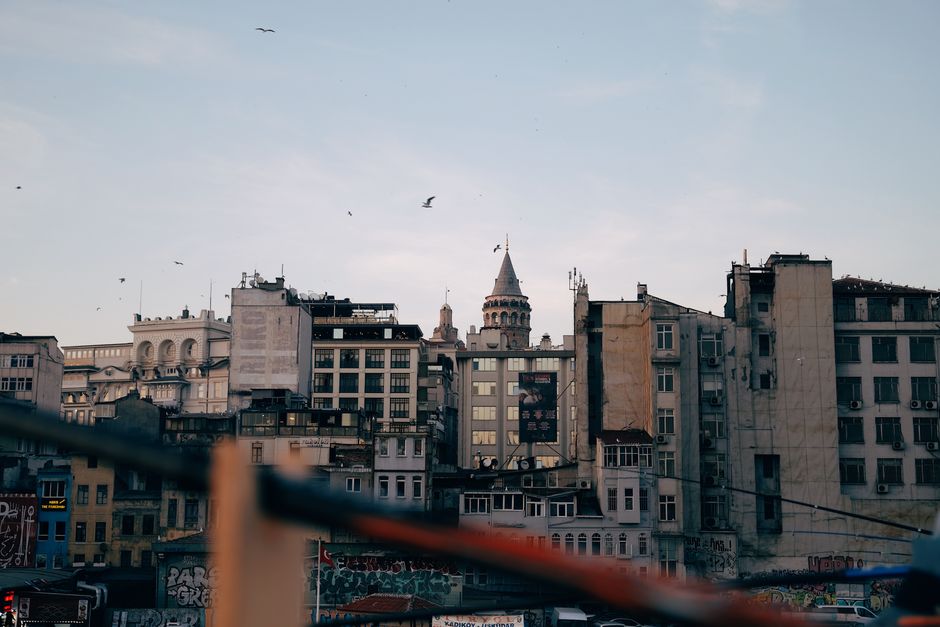
The Istanbul Metropolitan Municipality's revised housing density regulations, unveiled this month, have ignited concern among residents and community organisations who warn the changes will accelerate displacement across historic neighbourhoods. The new zoning framework permits developers to increase building heights in mixed-use areas—particularly affecting districts like Balat, Fener, and Kasımpaşa—raising questions about who will actually benefit from Istanbul's continued urban transformation.
Under the revised guidelines, properties in previously restricted zones can now accommodate additional storeys, theoretically increasing housing supply. But residents point to a troubling pattern: when developers acquire older buildings in these neighbourhoods, new units consistently price out existing families. A one-bedroom apartment in central Balat now averages 850,000 Turkish lira monthly—triple the figure from five years ago. For pensioners and working-class families who have anchored these communities for decades, such increases are simply unaffordable.
"The municipality says this is about solving the housing crisis," says a spokesperson for Balat Mahalle Derneği, a neighbourhood association. "But we're seeing investor acquisition, not community housing. Young families who grew up here cannot return." The organisation, which operates from a converted Ottoman-era building on Cibali Caddesi, has documented over 200 resident departures from Balat alone in the past eighteen months.
The policy carries particular weight given Istanbul's housing shortage. The city adds roughly 200,000 residents annually through migration, yet construction has struggled to keep pace. Advocates argue that allowing taller buildings on underutilised sites could theoretically ease pressure. However, without accompanying protections—such as affordable housing requirements or rent controls—critics contend the regulations simply create opportunities for speculative investment rather than genuine affordability solutions.
The Beyoğlu district has already experienced this dynamic. Once-bohemian Tarlabaşı, targeted for redevelopment over the past decade, has seen its character fundamentally altered. Historic apartment buildings have given way to boutique hotels and upmarket residences; the neighbourhood's cultural institutions and working families have largely dispersed.
Community groups are now mobilising. The Istanbul Housing Rights Platform plans to present alternative proposals to the municipality this autumn, emphasising mixed-income development and tenant protections. Meanwhile, the municipality has indicated openness to refinements before implementation.
For Istanbul's residents—particularly those in vulnerable neighbourhoods—the coming months represent a critical juncture. Housing policy decisions made today will determine whether the city remains a place where diverse communities can afford to live, or whether economic logic alone reshapes the urban landscape.
This article was compiled by AI from the sources linked above and screened before publishing. See our editorial standards.