Istanbul's current housing crisis did not arrive overnight. It is the accumulated consequence of a forty-year planning vacuum, successive waves of rural migration, and a fundamental shift from housing as shelter to housing as investment commodity.
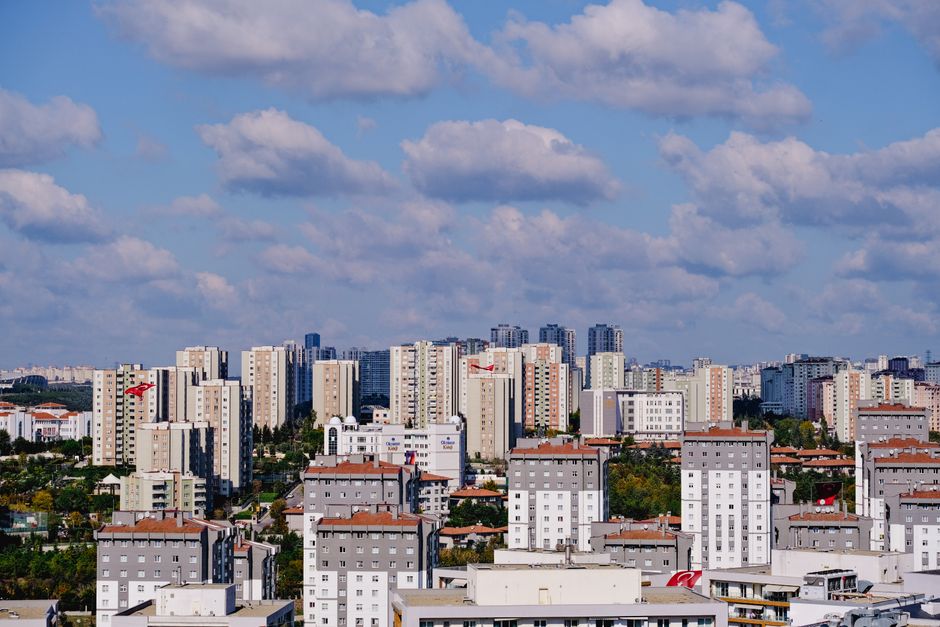
The roots lie in the 1980s, when industrial deregulation and rural poverty triggered unprecedented migration toward the city. Families arriving from Anatolia had no formal housing options, so they built illegally on the outskirts—the gecekondu settlements that would define the city's sprawl. Fatih, Beyoğlu, and the historic peninsula filled first; then Zeytinburnu, Bakırköy, and eventually Başakşehir absorbed the overflow.
By the 2000s, Turkey's real estate sector had discovered gold. International investors flooded Istanbul. Luxury developments along the Bosphorus—Ortaköy, Beşiktaş, Sarıyer—attracted foreign capital. Simultaneously, government planning became reactive rather than strategic. Municipal authorities struggled to coordinate development across incompatible jurisdictions. The Metropolitan Municipality lacked enforcement power over district-level decisions. Old gecekondu areas, nominally illegal, were retroactively legalized en masse, creating property owners overnight without infrastructure planning.
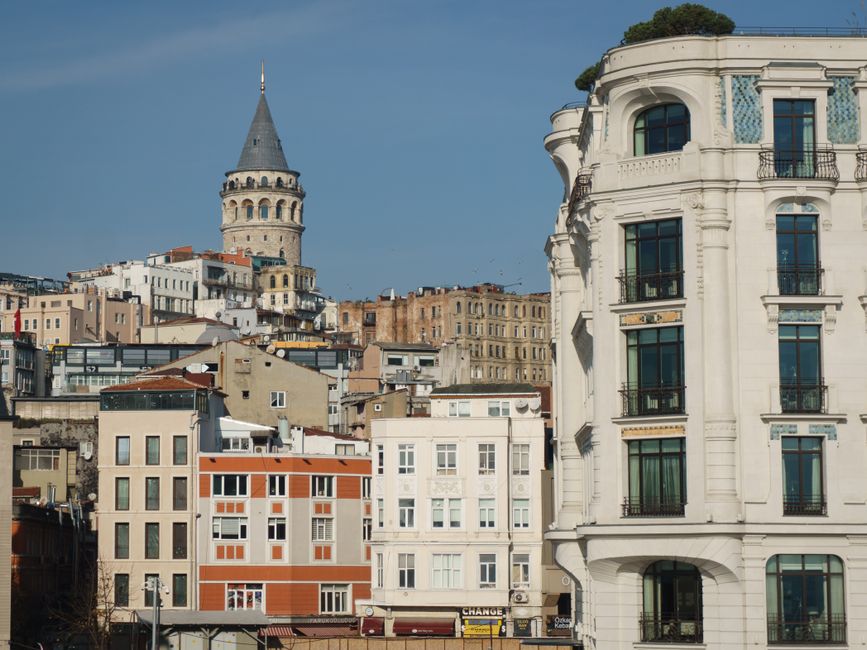
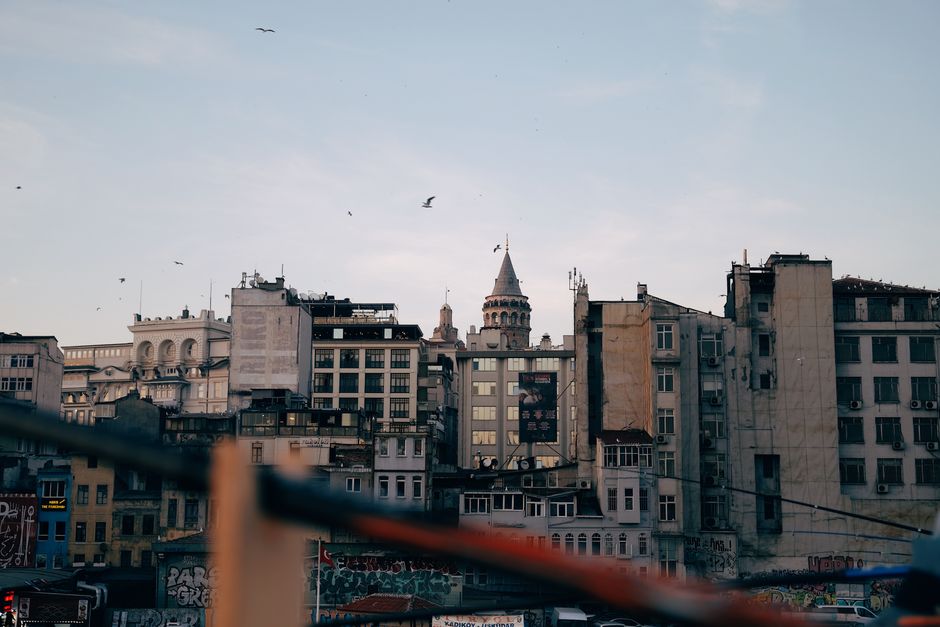
The numbers tell the story. Istanbul's population swelled from 7 million in 2000 to over 16 million by 2025. Housing stock could not keep pace. Speculation accelerated. Average apartment prices in central districts—Cihangir, Galata, Kadıköy—tripled between 2010 and 2020. Monthly rents in Şişli now exceed monthly salaries for ordinary workers. Young professionals abandoned the city center entirely, moving to satellite towns like Pendik and Çekmeköce, themselves now facing congestion.
The 1999 Marmara earthquake exposed another fracture: building code enforcement remained sporadic. Developers cut corners; inspectors looked away. Informal construction continued alongside formal projects, creating a patchwork city where a gleaming hotel on Taksim could overlook a dilapidating residential block two streets over.
Recent administrations acknowledged the crisis but offered piecemeal solutions. Rent controls came and went. Land-use restrictions loosened and tightened unpredictably. The Kanal İstanbul megaproject absorbed enormous resources that might have funded coherent neighborhood regeneration. Meanwhile, property prices detached entirely from local incomes.
Today, Istanbul hosts a fractured housing market: luxury apartments sit vacant as investments while families crowd into deteriorating gecekondu remnants. The city's current housing policy deadlock—debated furiously at the Metropolitan Municipality—reflects this history. It is not a new problem awaiting fresh solutions. It is the inevitable outcome of forty years of neglect, speculation, and fragmented governance.
This article was compiled by AI from the sources linked above and screened before publishing. See our editorial standards.